
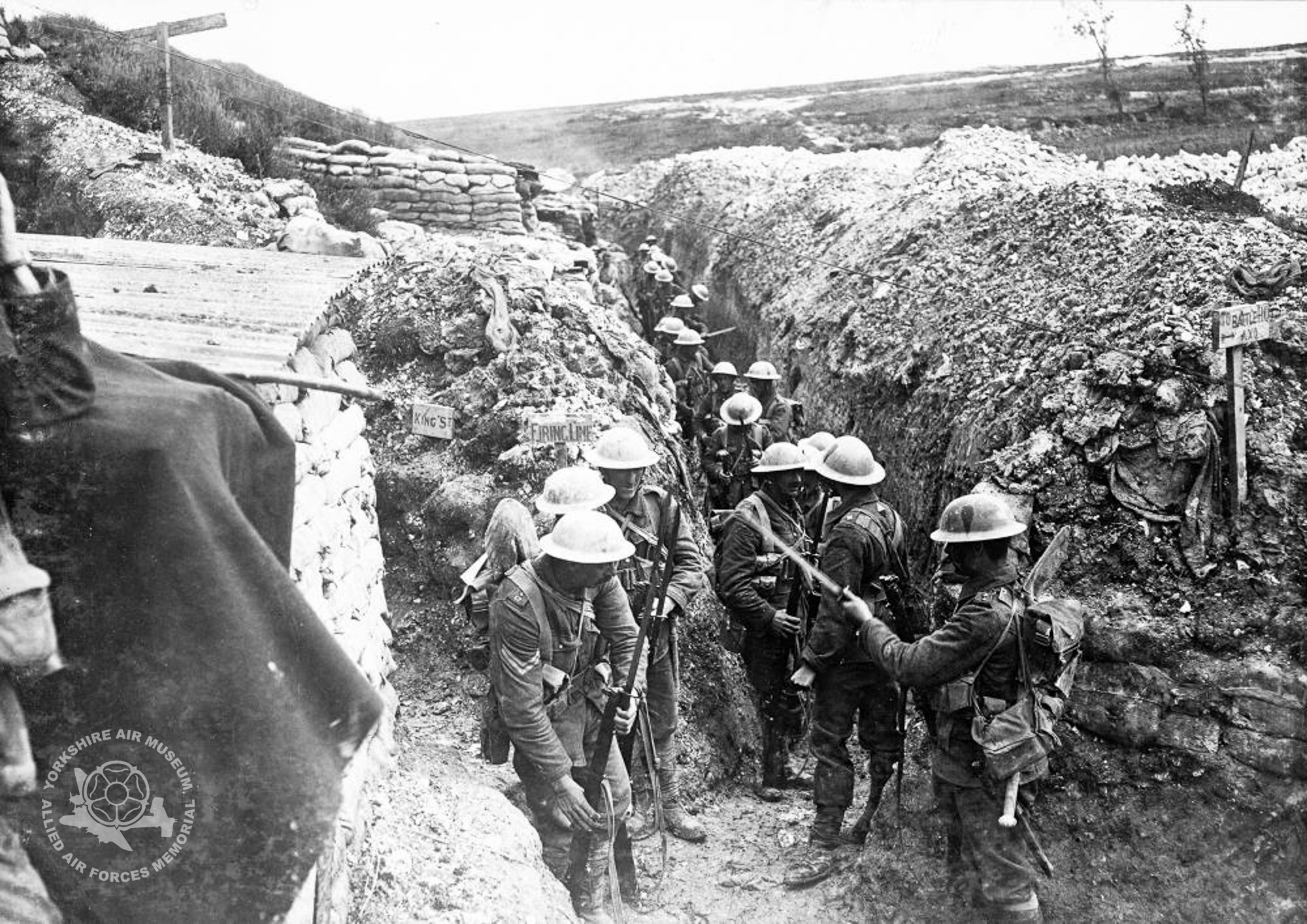
19,240. Study that figure for a moment. That’s the number of soldiers killed on the opening day of the Battle of the Somme. That is not the final death toll. This is just a single day. The first day.
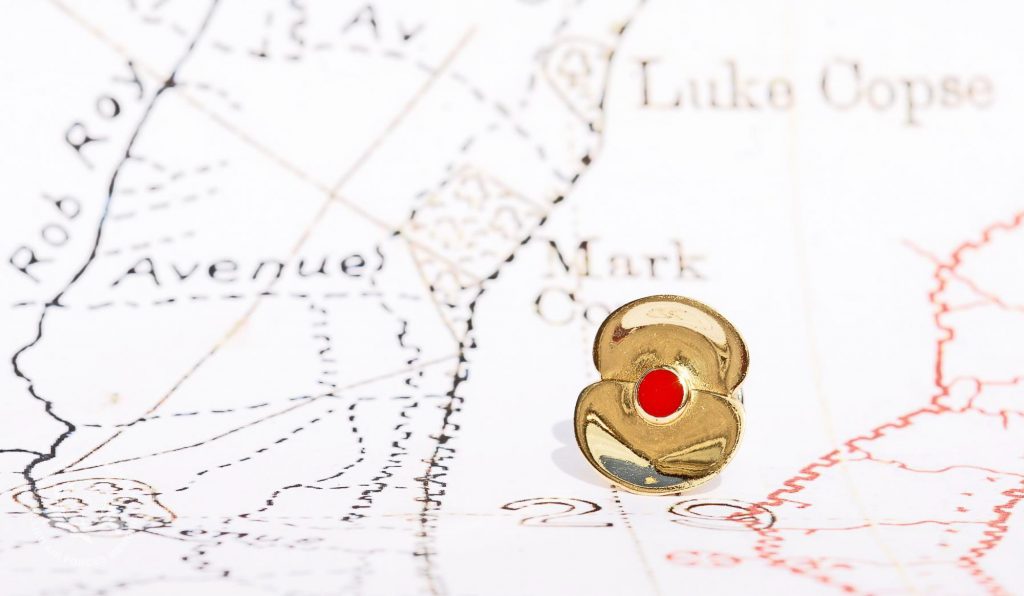
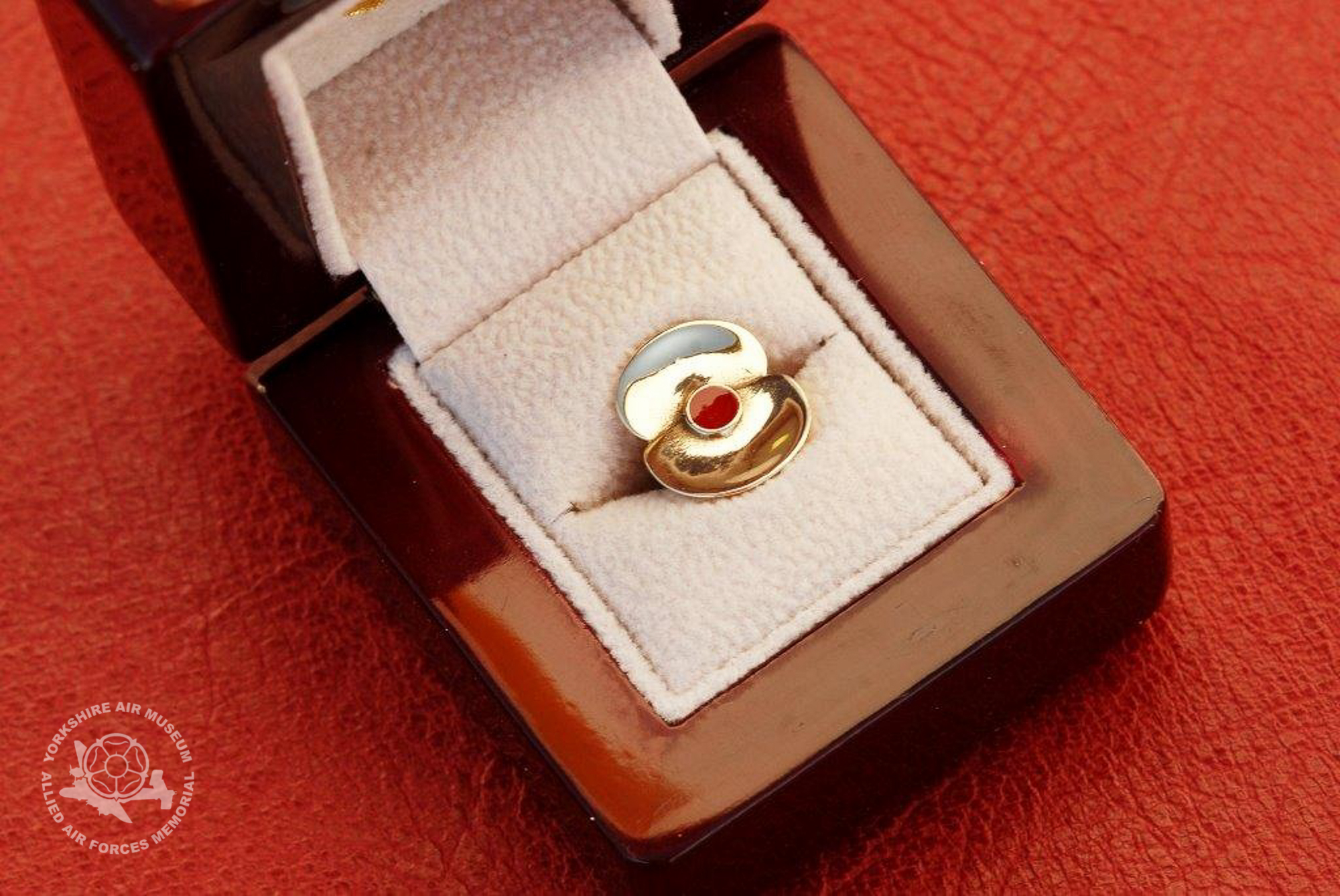
To honour those 19,240 soldiers, The British Legion are working with TMB Art Metal to create a series of Poppy Pins, made from materials recovered from this historic battlefield.
TMB Art Metal are well known for their work creating pieces from historic cars and aircraft. Together with The British Legion, they are creating the pins as a combination of symbolic and aesthetic appeal to form a fitting tribute to every son, brother and father who lost their life fighting for their country. The pins are being hand crafted to mark 100 years since the Battle of the Somme in Northern France. They are a limited edition series with a symbolic production figure. 19,240 examples.

The materials used to make the pins are what make them truly special. They are crafted from brass taken from British shell fuses salvaged from the Somme battlefield. By taking these fuses and using them to create something of poignant beauty, the Somme 100 Centenary Poppy Pins are turning metal that was forged for the purposes of war into silent tributes commemorating the British soldiers who died at the Somme.
The bright golden coloured pins are finished by a spot of red enamel in the centre of the poppy, and this too pays silent tribute to every British soldier that lost their life at the Somme, as it contains a small amount of earth recovered from the 1 July 1916 British frontline, which stretched for 25 kilometres (18 miles) across the rolling Picardy countryside.
As well as being a poignant tribute to the fallen, the beautiful Poppy Pins will also benefit modern day Service men and women, veterans and their families, as all profits will go to The Royal British Legion.
The pins are the creation of Christopher Bennett, the man behind TMB Art Metal. Christopher has experience of similar projects with TMB, having crafted pieces using materials from many historic vehicles and planes, including a Hurricane fighter that famously crashed in London in 1940 following a successful attempt to bring down a marauding German bomber intent on attacking the capital.
Creating the Poppy Pins is something he describes as an honour, saying: “While holding a piece of a legendary car or plane in my hand is fantastic and a privilege, it is truly humbling to hold a piece of profound history in the form of a shell fuse found on the Somme.
“To walk along the old front line and find these fuses linked to such an important event in our country’s history is what this project is all about. These men were loyal everyday volunteers, and none of them really understood the situation they were going to be encountering, but all of them – the men who died and who lived – were heroes. This was very much a labour of love, and is a project that has meant a lot to me personally.
“This visually attractive poppy honours the fallen of our World Wars and allows you to wear and carry a piece of history with you at all times. The annual Poppy Appeal is a wonderful tribute, but is very seasonal. The Somme 100 Centenary Poppy Pin is a subtle and tasteful tribute that can be worn by anyone, all year round. By crafting the pins by hand, I feel we have honoured the soldiers in a way that anonymous factory mass production could never achieve.
“Whilst the Somme 100 Centenary Poppy Pins are dedicated to the 19,240 British soldiers who died on the first day of the Somme, it’s also right to touch upon the losses sustained by our allies who fought side-by-side with Britain at the Somme, many of whom suffered heavily. One such was the 1st Newfoundland Regiment who, during their attack on the German front line on the morning of 1 July at Beaumont Hamel sustained 680 killed or wounded from 780 officers and men, their force decimated by machine gun fire.”

Christopher personally collected shell fuses and the earth from the Somme, with many additional fuses coming from farmers in the local area, unearthed whilst harvesting potatoes in the peaceful Picardy fields that now form the site of the former battlefield.
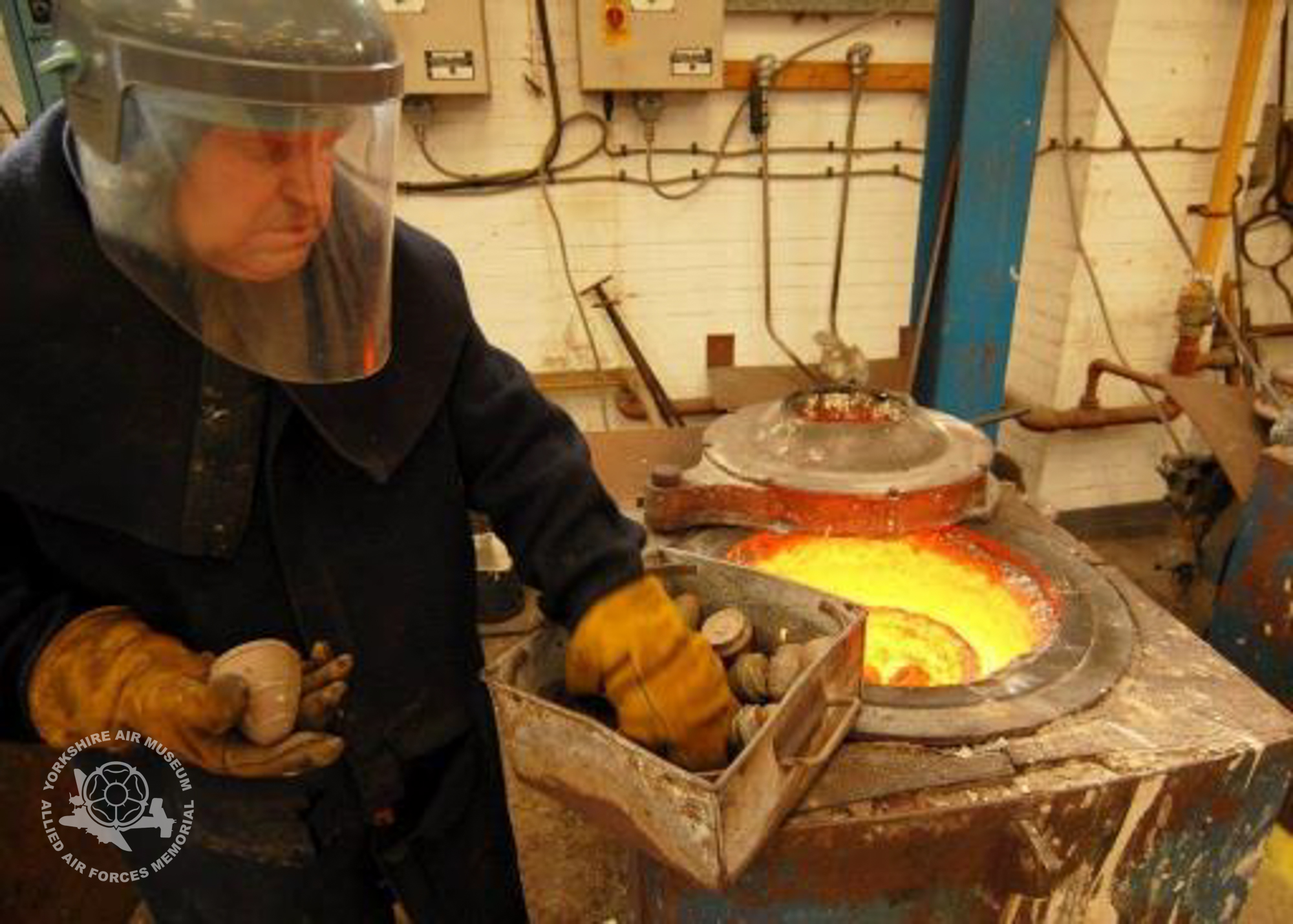
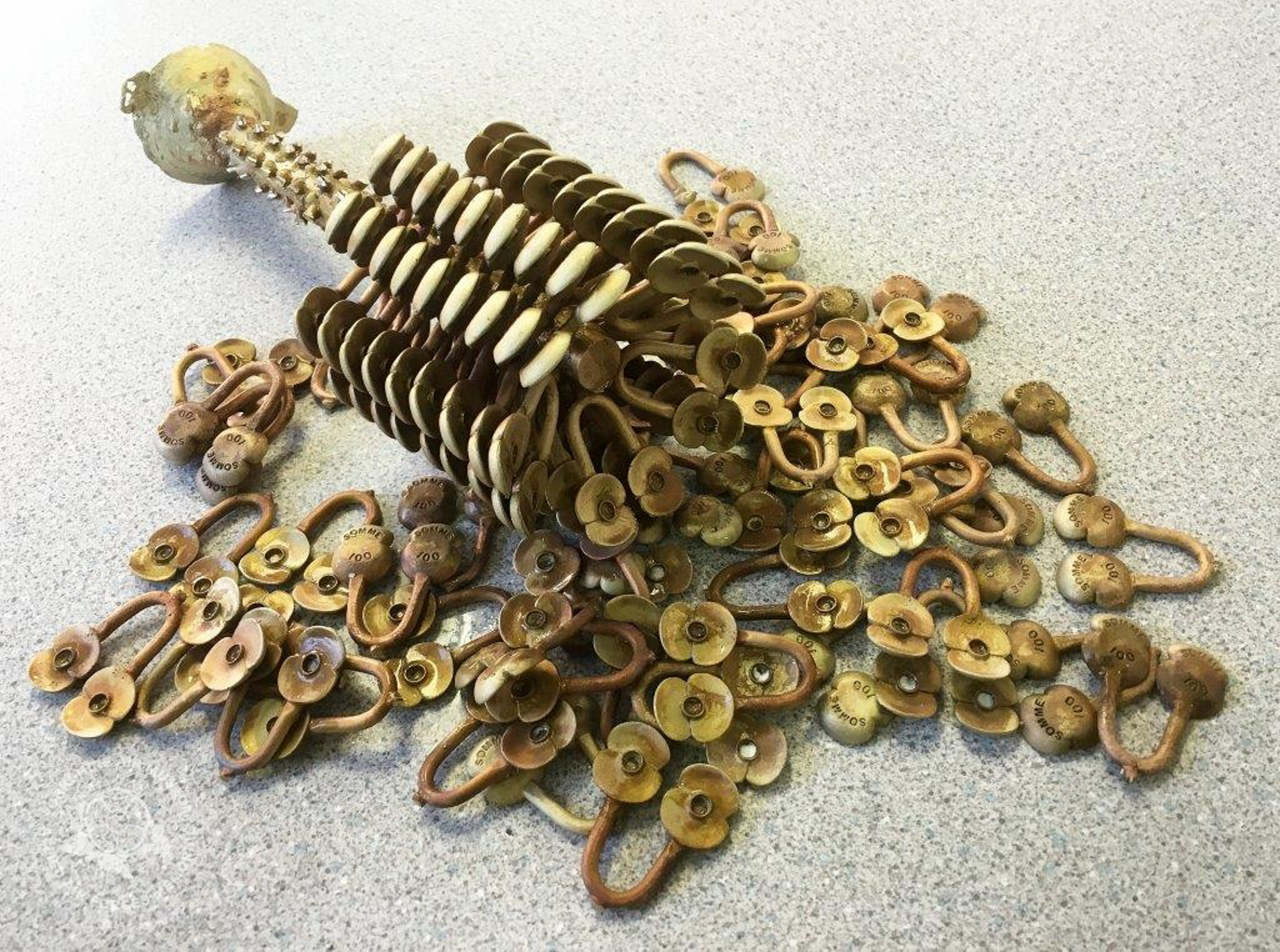
The metal from the fuses was first melted down to remove impurities, before being cast, fettled and polished to create the miniature poppies. The finishing touch is a spot of red enamel paint in the centre of the poppy, which contains granules of Somme earth within.
The idea to add the earth came when Christopher was walking the front line during one of his visits. He knew that he needed to honour the battlefield itself, by incorporating the very ground the soldiers of 1916 fought upon, died upon and that many still lay at peace beneath.
The Royal British Legion’s Director of Fundraising, Charles Byrne, said: “The Somme 100 Poppy Pin is a poignant tribute to all those who made the ultimate sacrifice on the battlefields of the Somme, one hundred years ago. There are very few UK communities which were unaffected by the terrible losses sustained at frontline in Northern France and, as the national custodian of Remembrance, The Royal British Legion has commissioned this special pin as part of a programme of activity to mark the centenary of the battle.”
The Poppy Pins are available to pre-order now for delivery mid May from The British Legion. The Yorkshire Air Museum will be taking part in the 100th Anniversary commemorations, our AVRO 504 and a team from the Museum will be travelling to Thiepval in July to remember the RFC and RNAS pilots who served 100 years ago.
Today, these losses would be unthinkable. Yet 100 years ago, those 19,240 were only the beginning of a daily attrition rate that terrifyingly became the norm.
To order the Poppy Pins, follow THIS LINK to the British Legion