
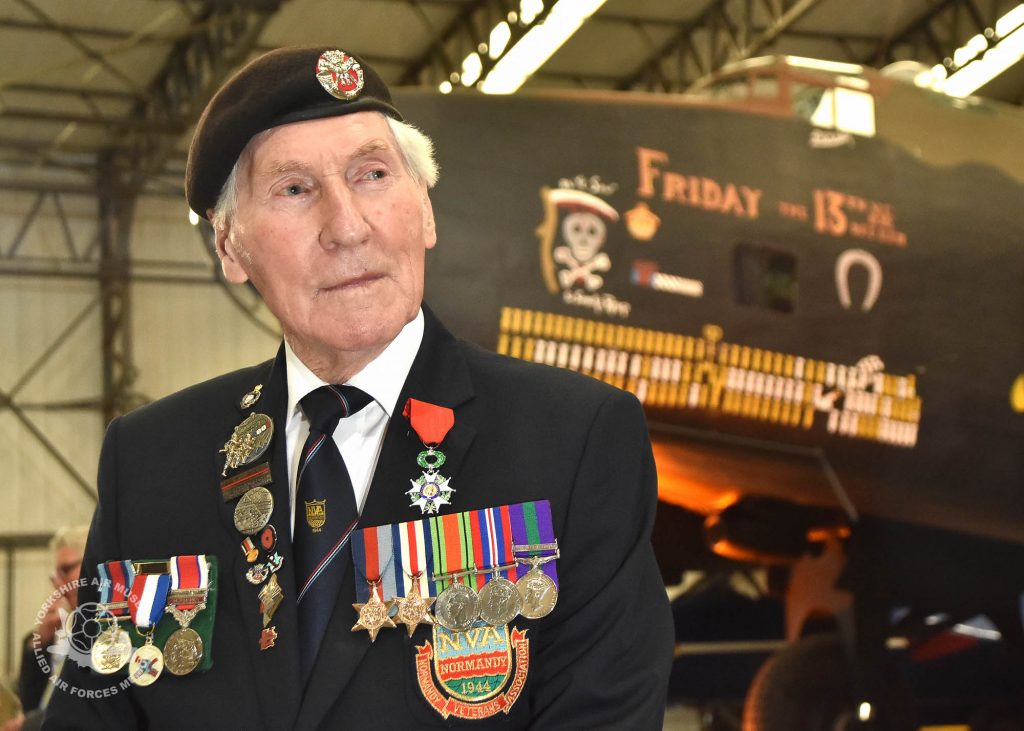
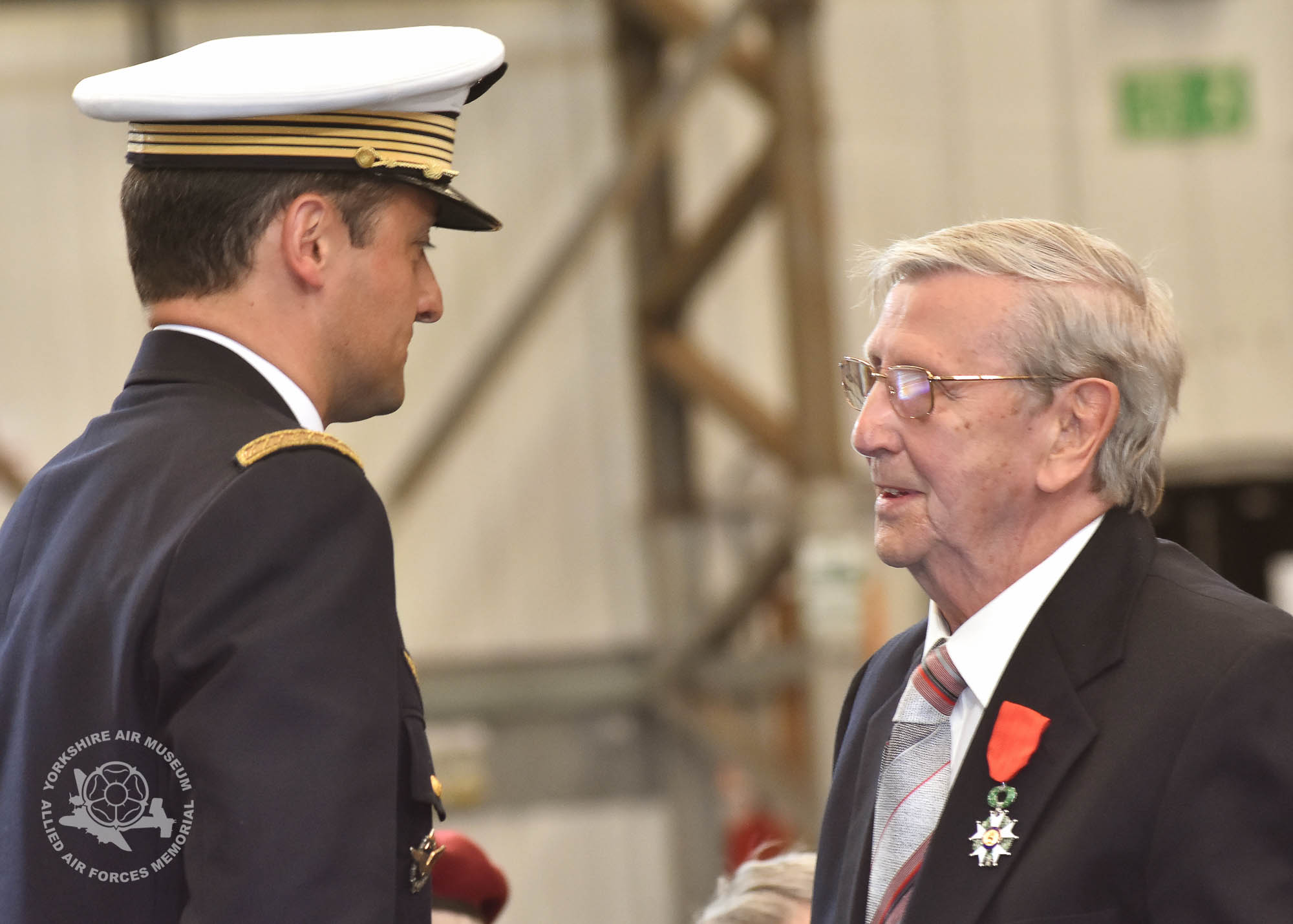
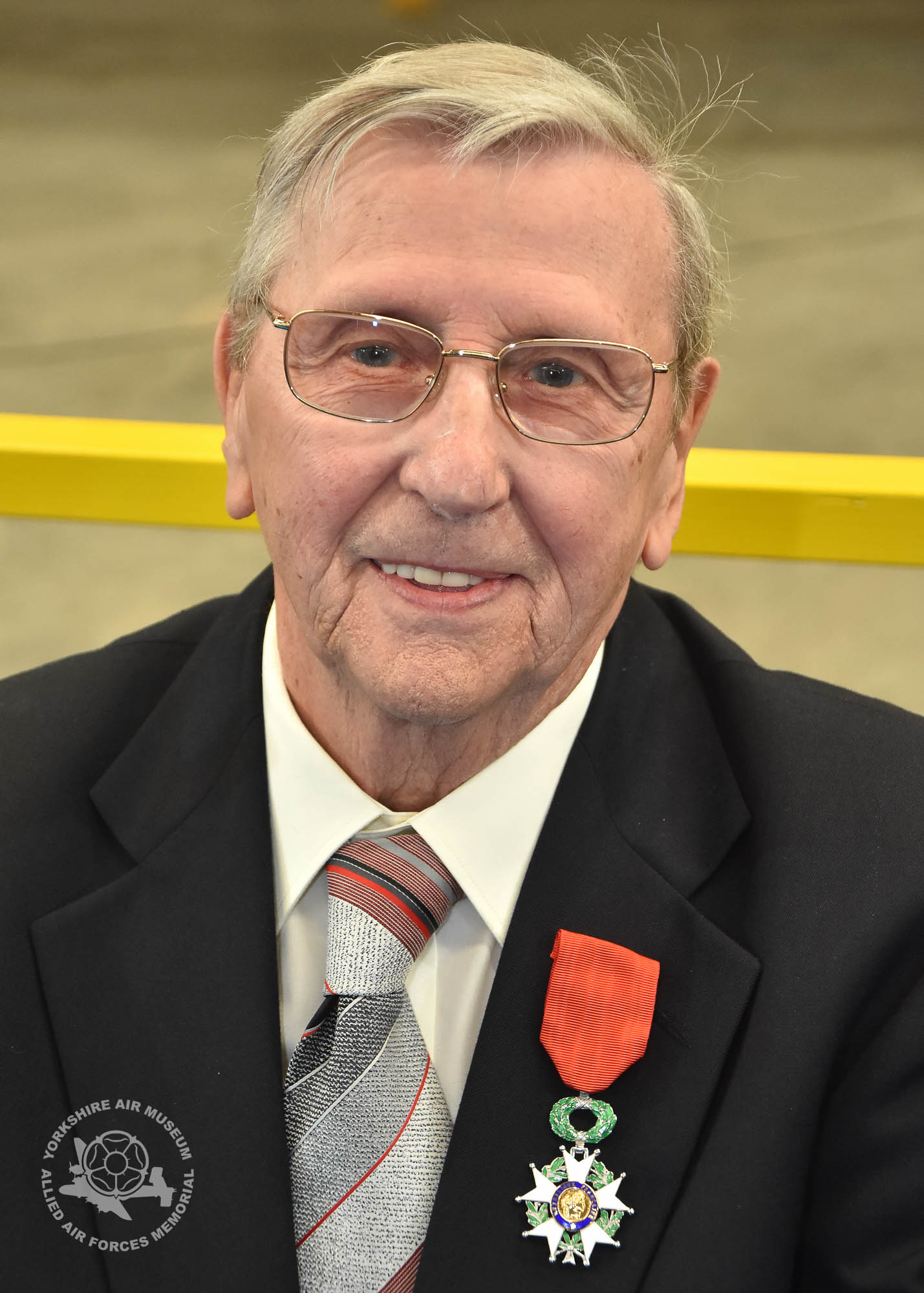
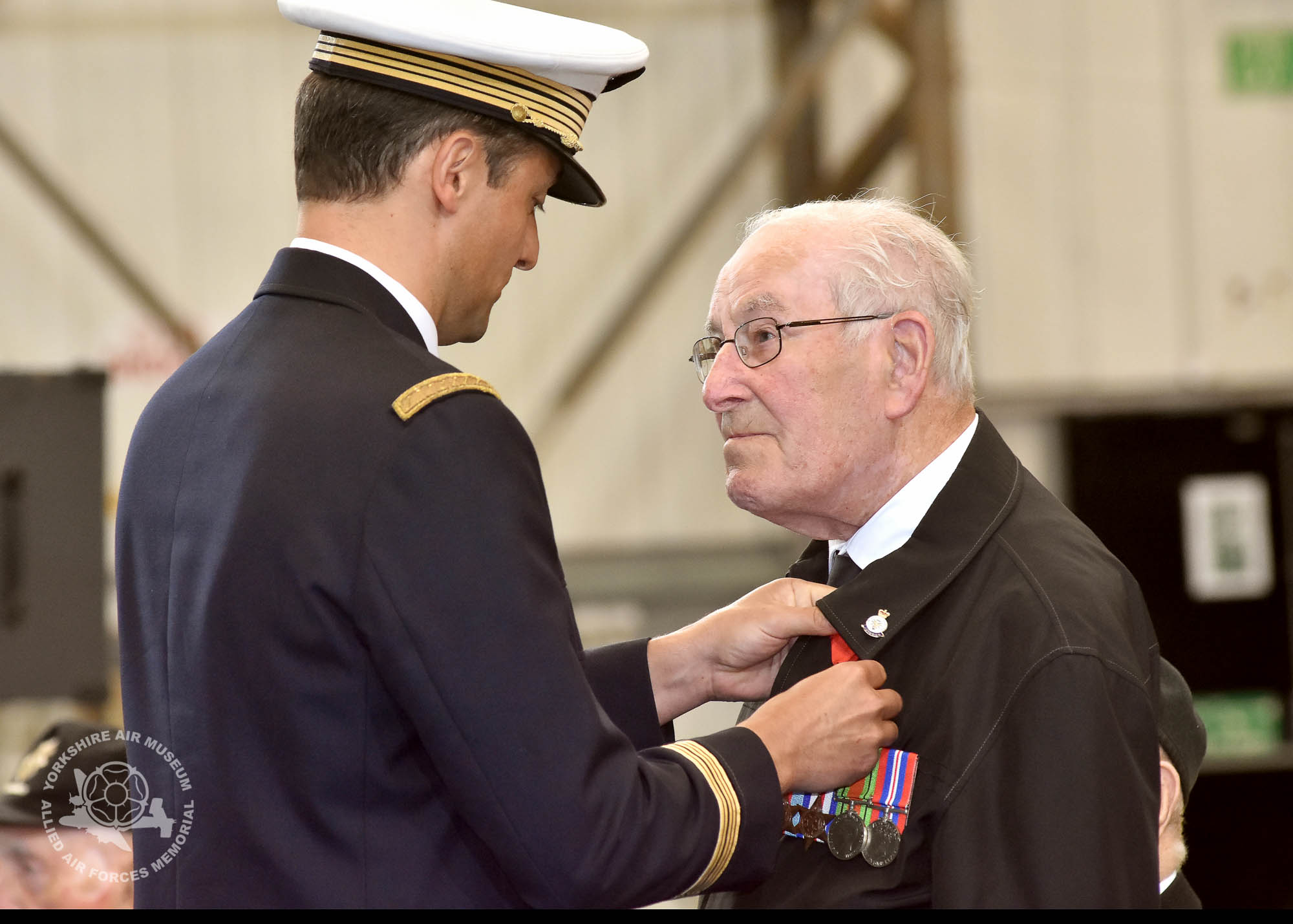
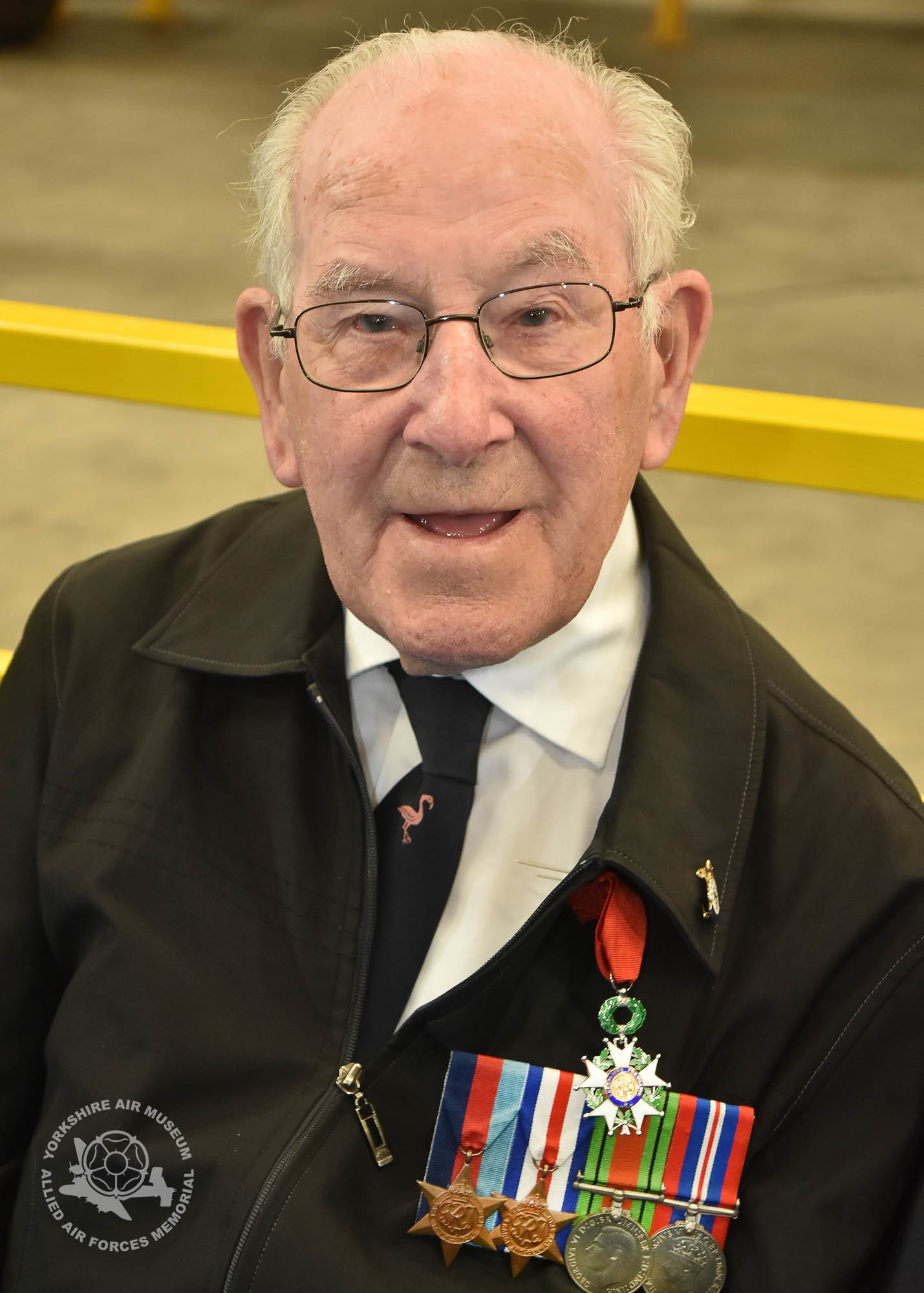
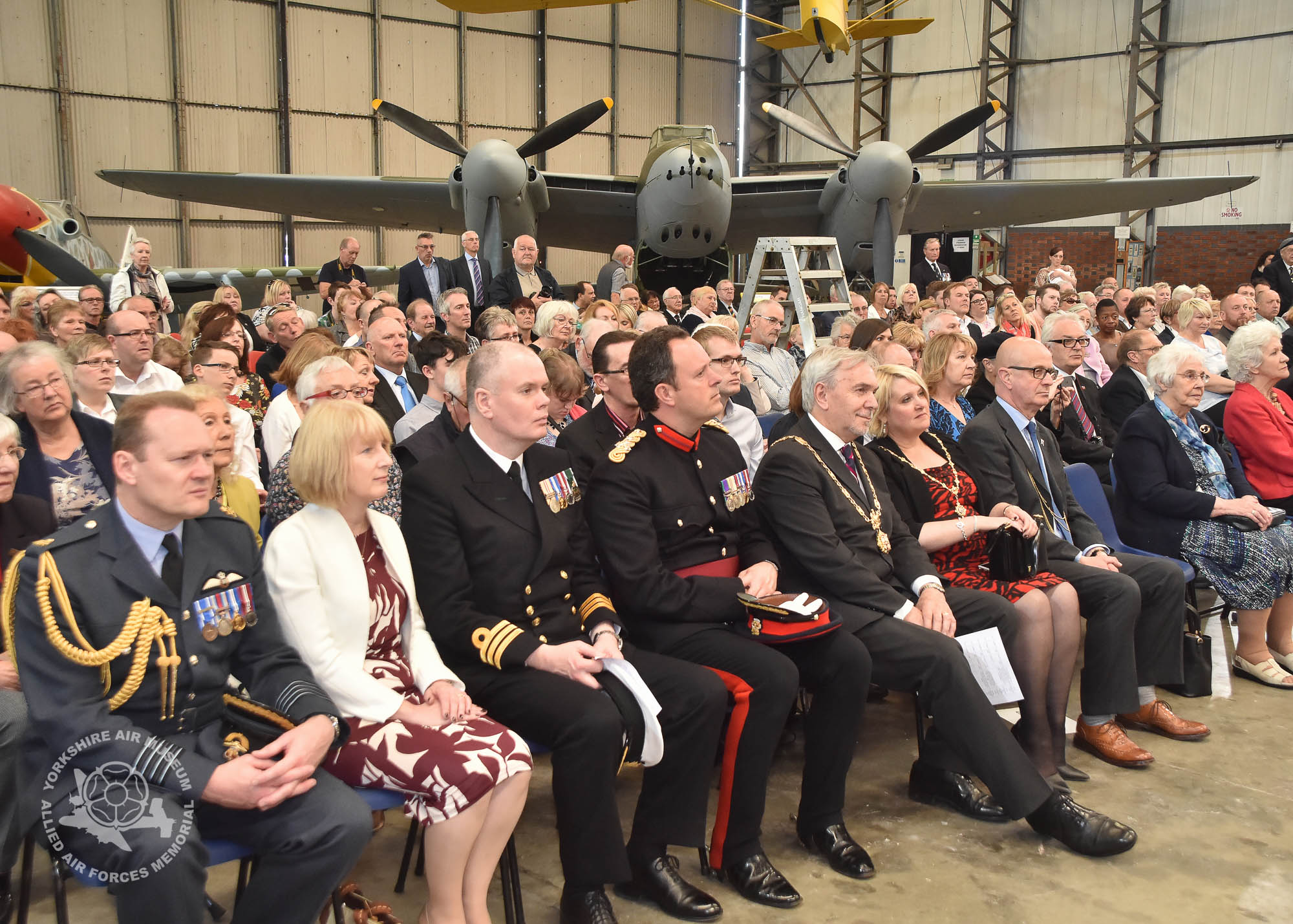
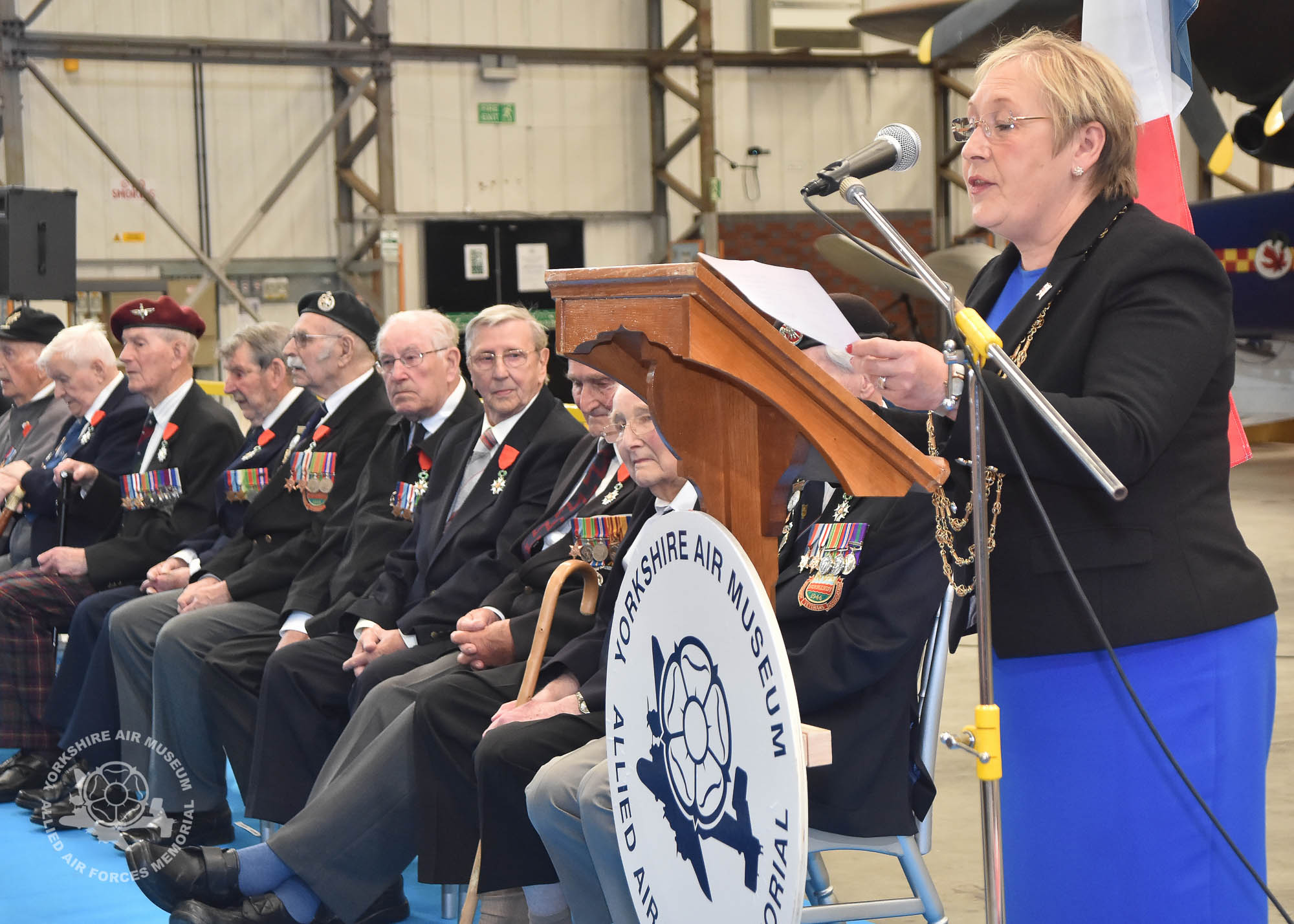
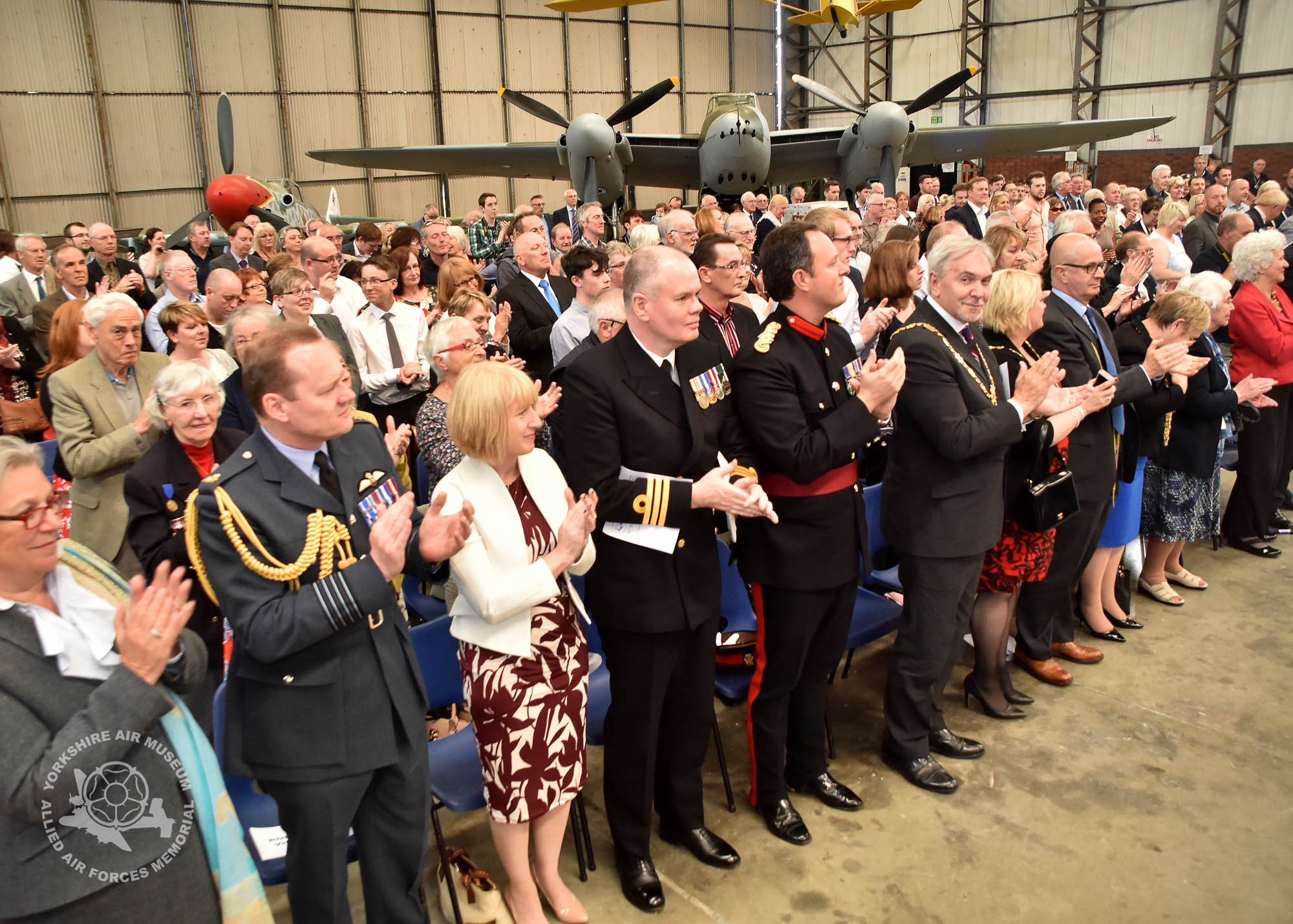
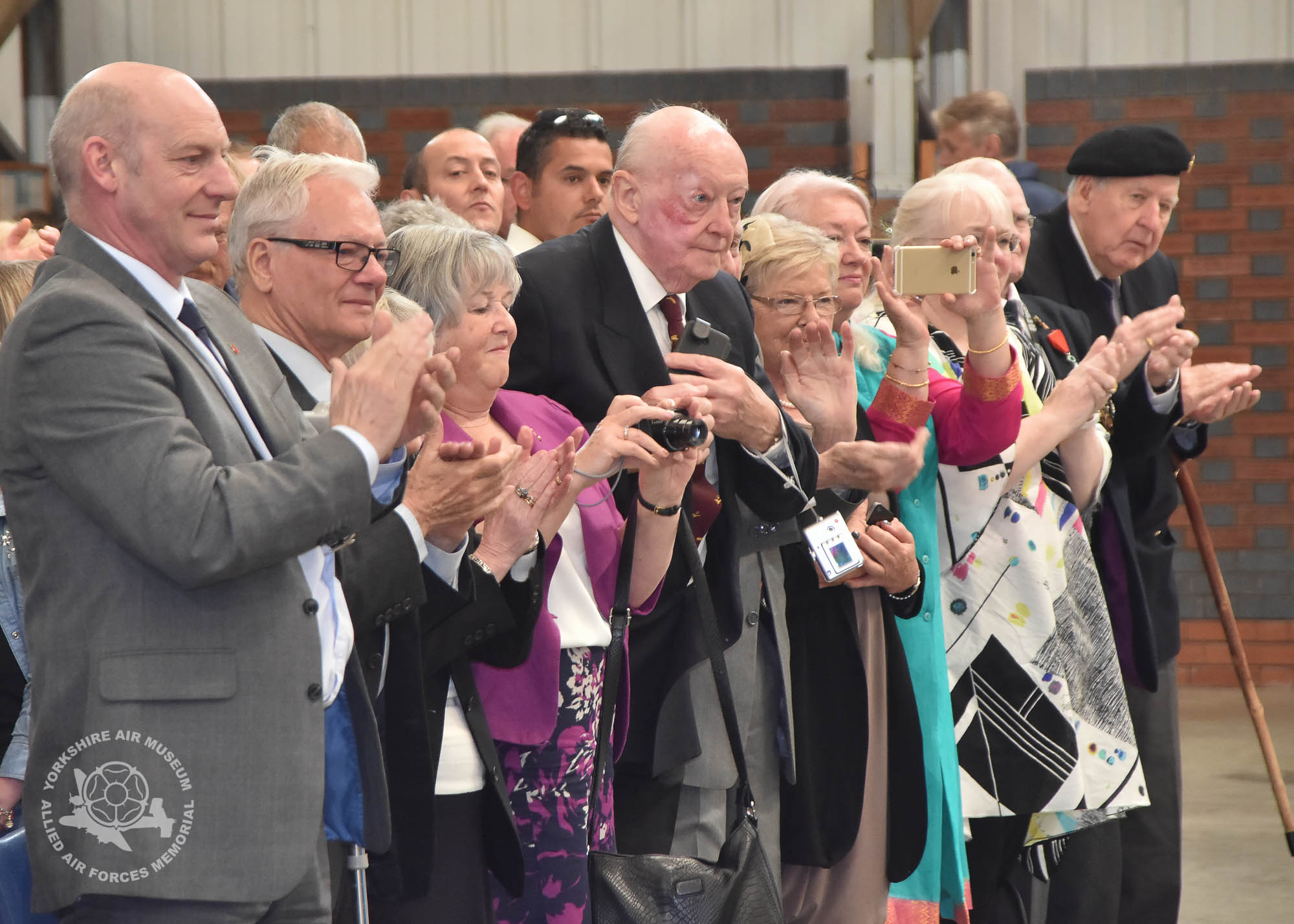
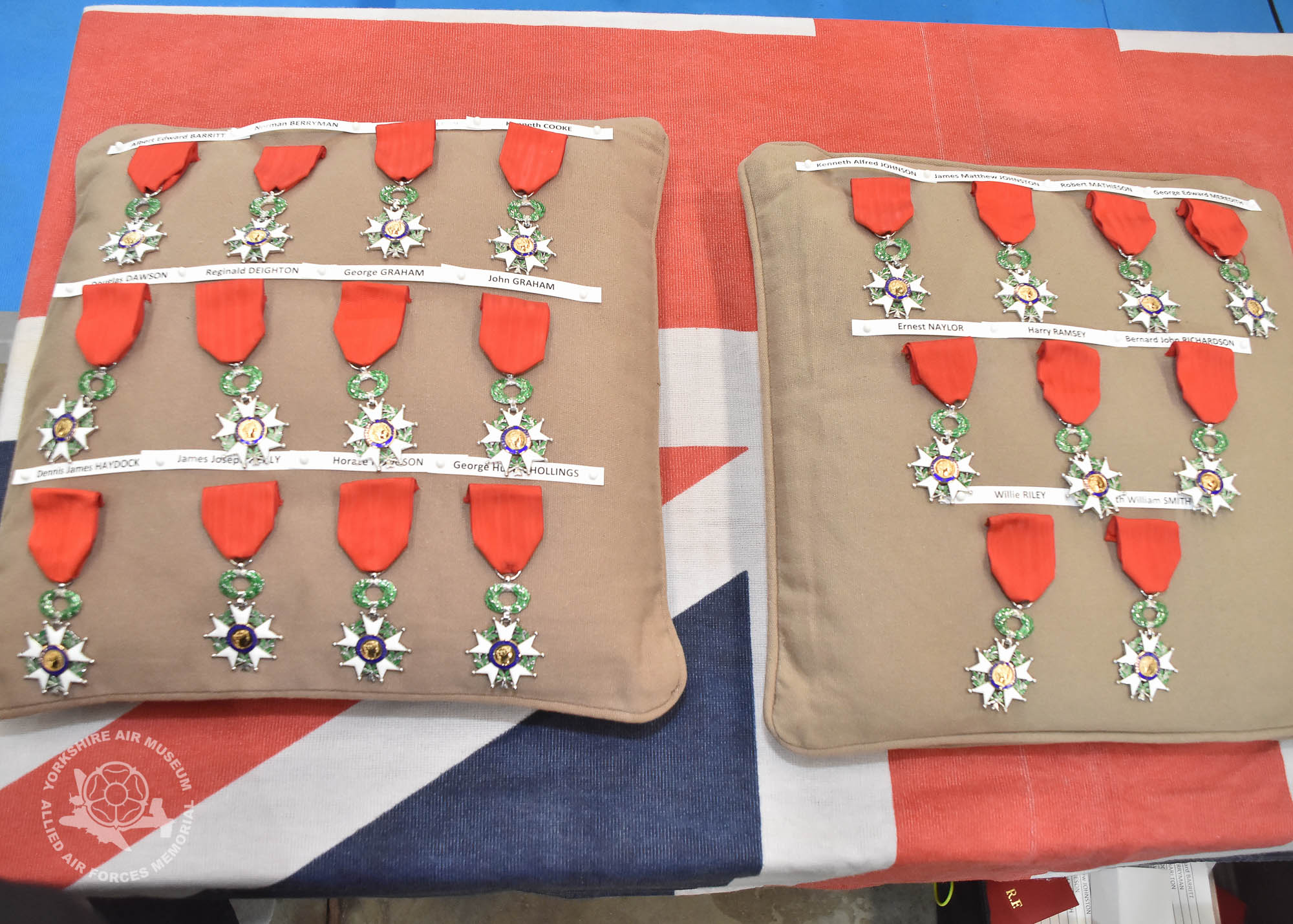
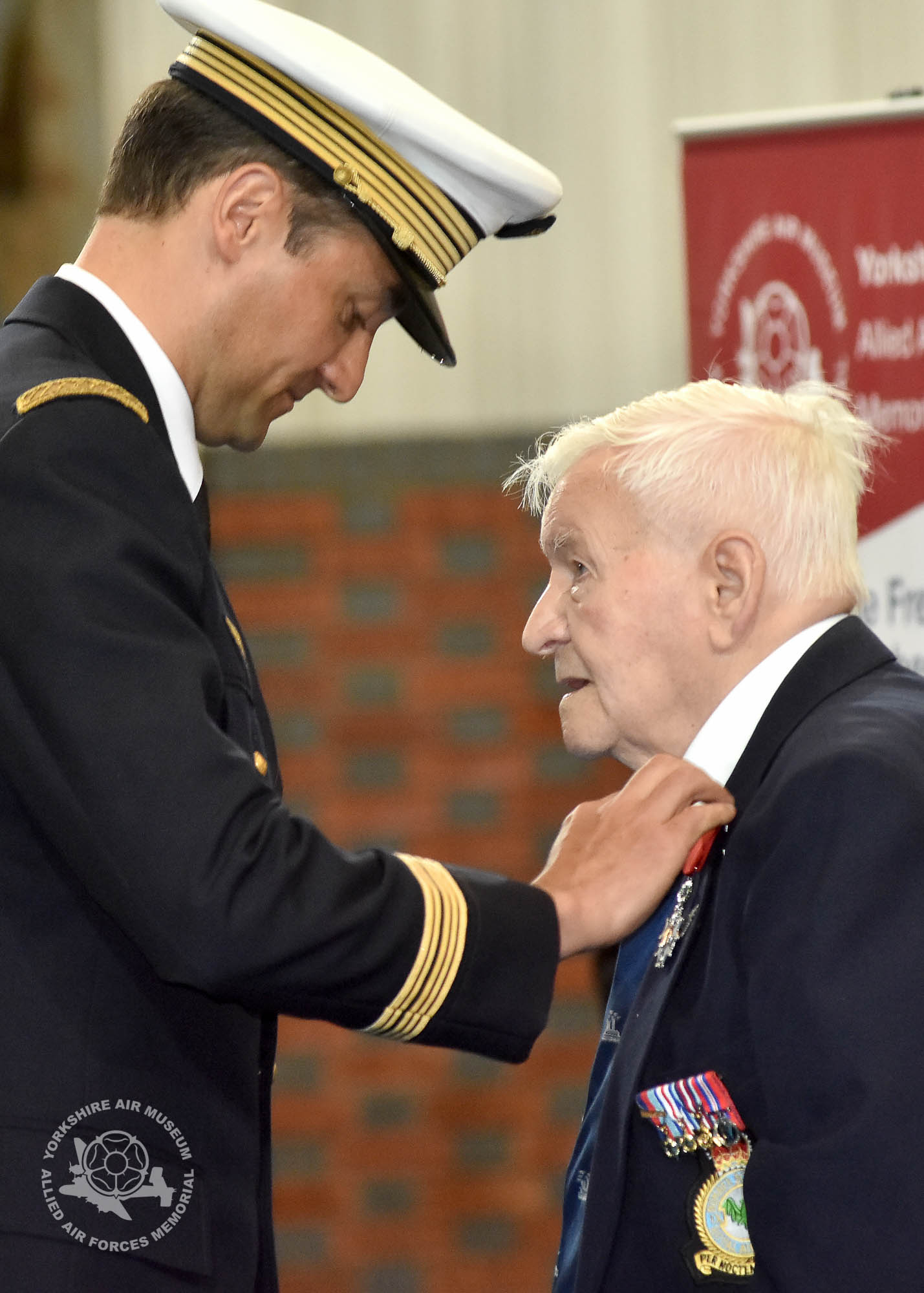
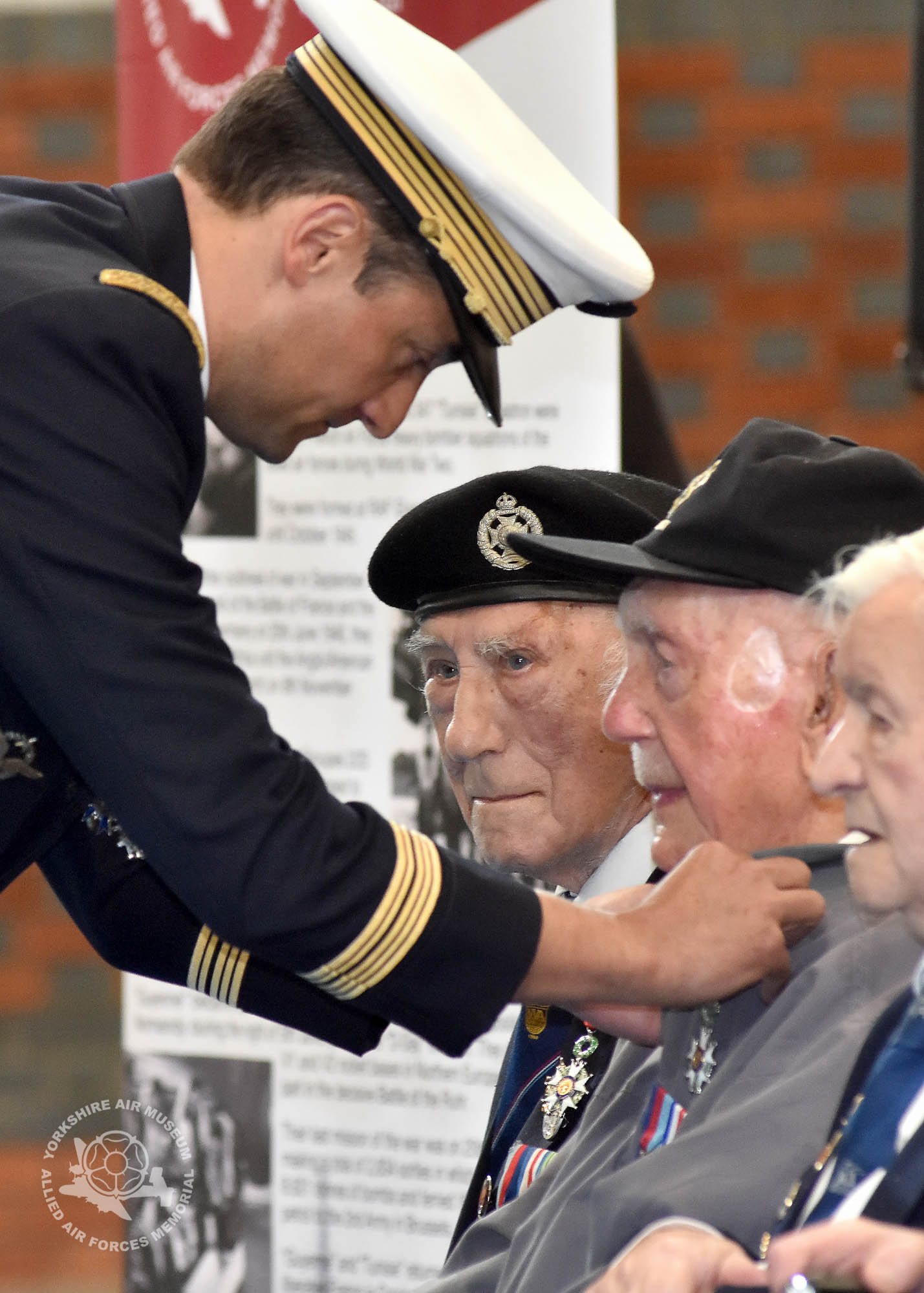
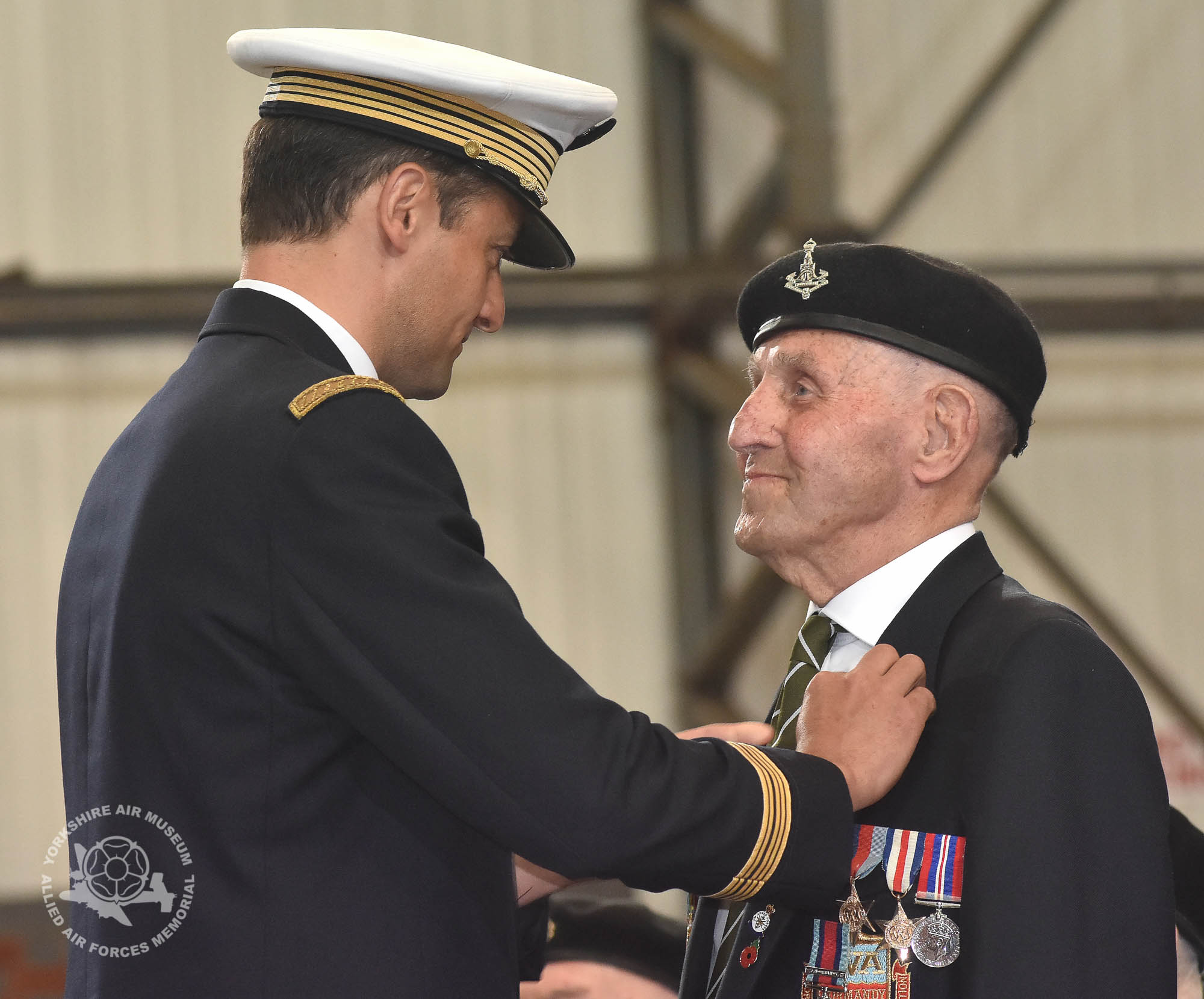
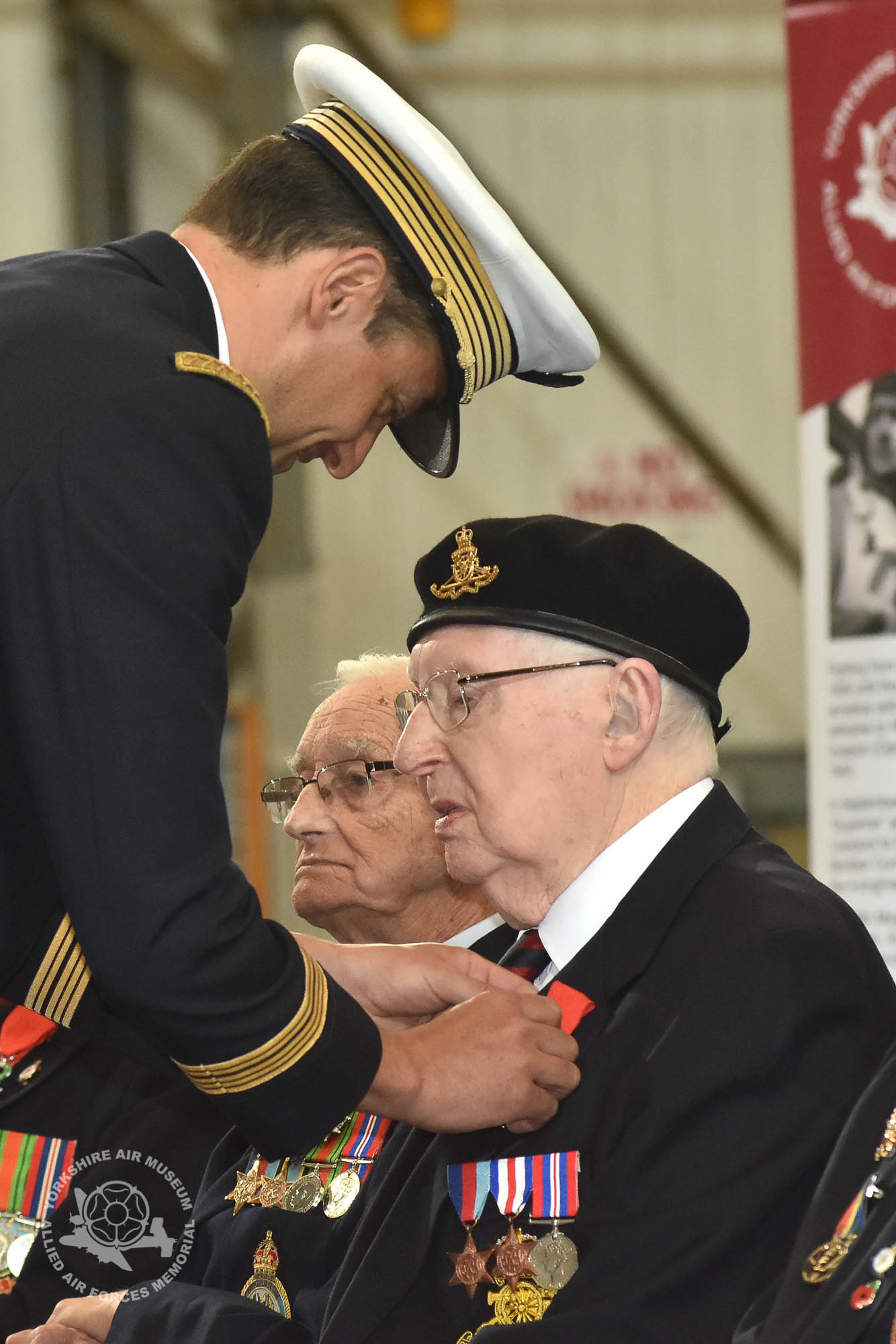
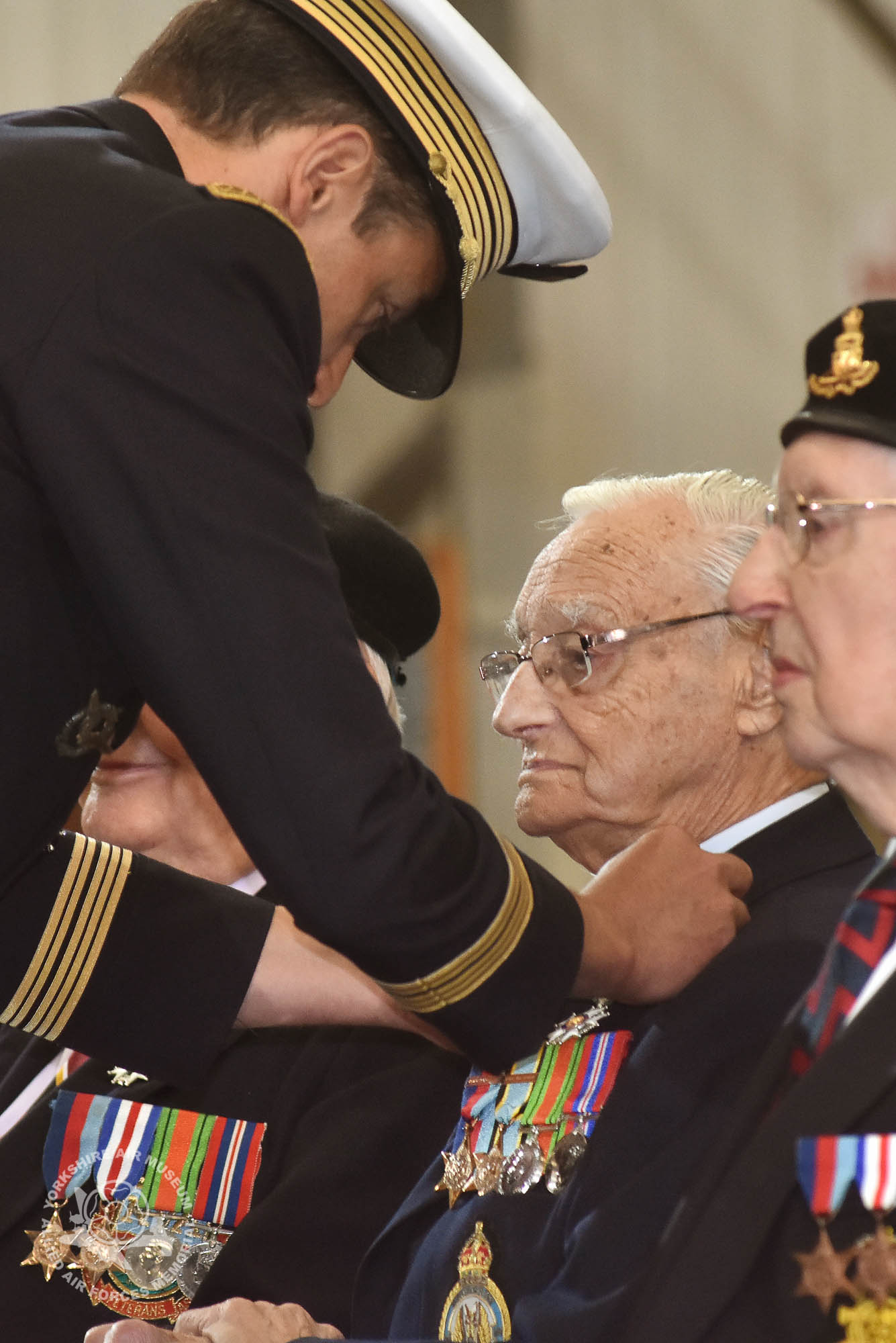
The ceremony for Normandy veterans to receive the Legion d’Honneur in May was a very special occasion. On 6th of June 1944, Europe was waking to the news that the Normandy landings had commenced and that Allied troops were beginning the liberation of Europe. In the evenings leading up to this, the French Air Force squadrons based at Elvington were flying missions over France in preparation for this day.
We can only imagine what it must have been like to be flying bombing missions over your own country, then seeing the huge armada crossing the sea as they returned home in the dawn light.
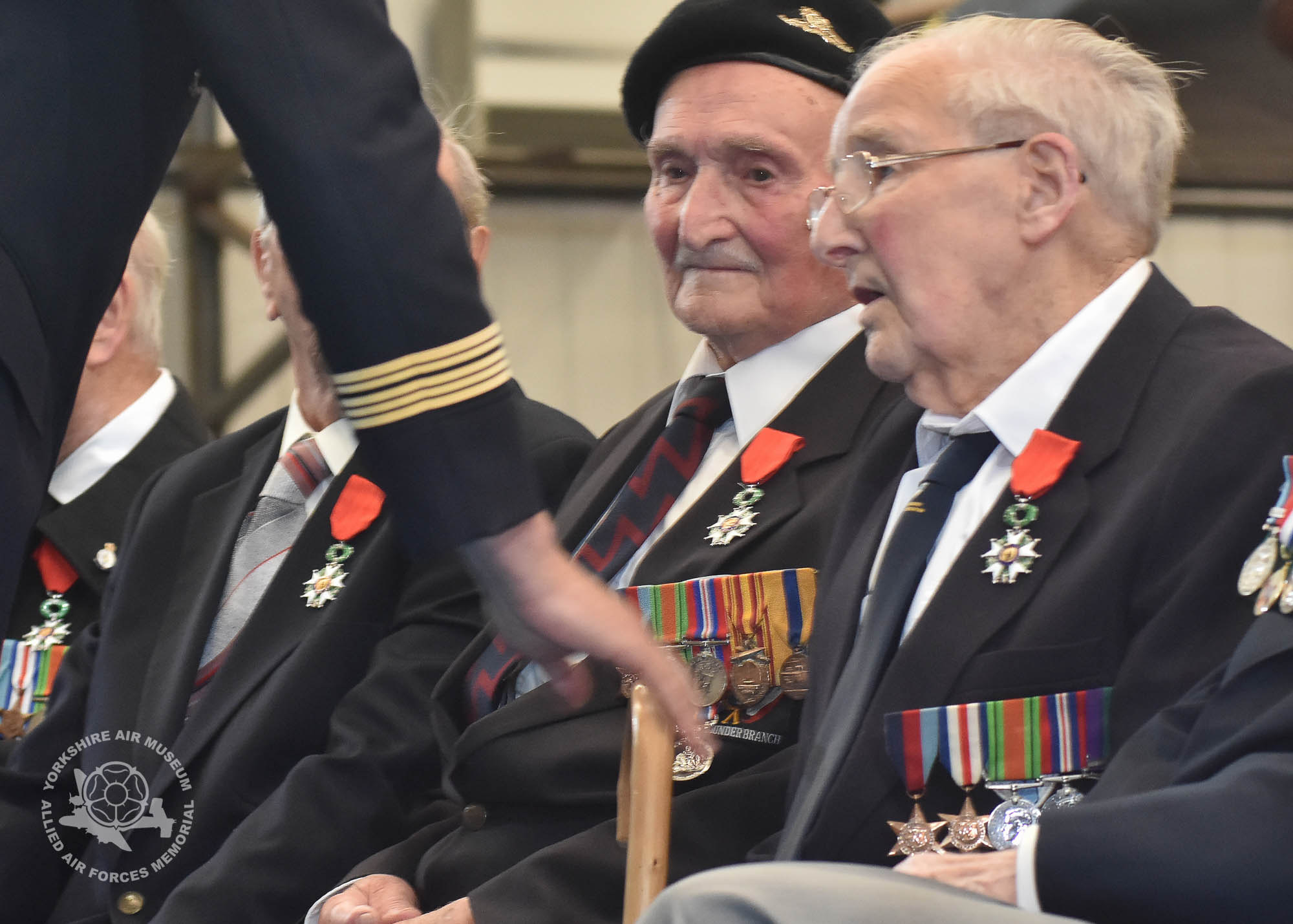
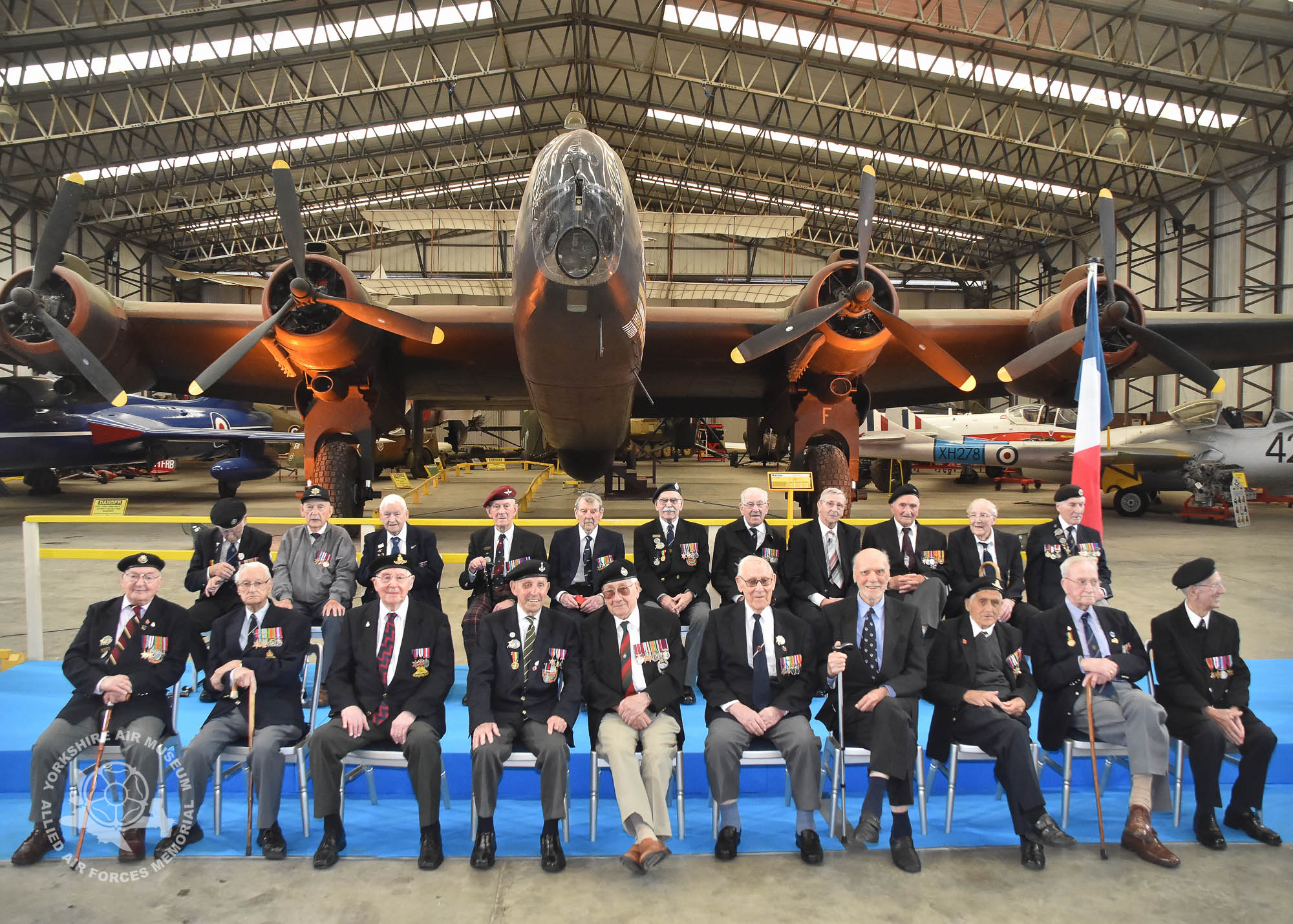
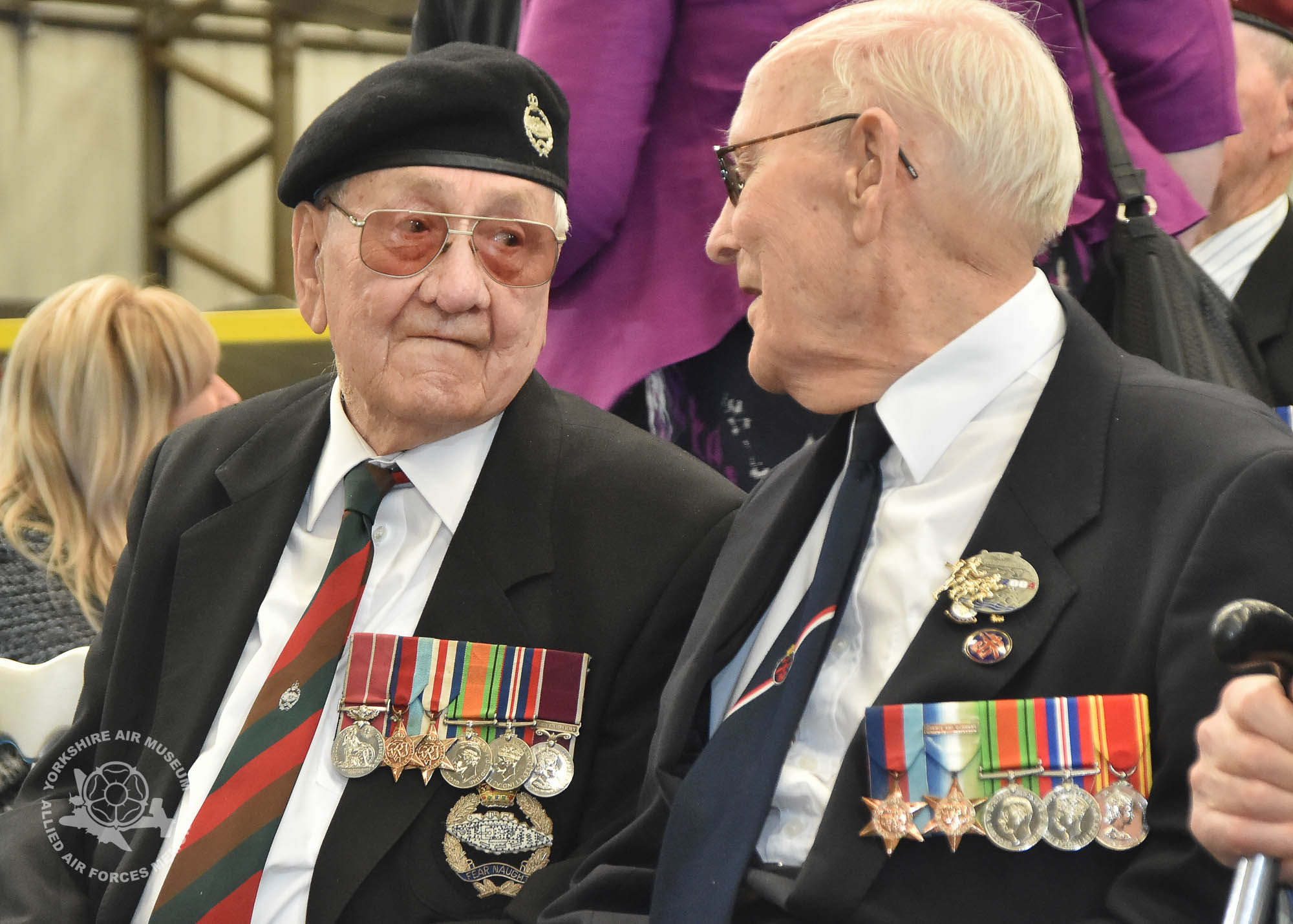
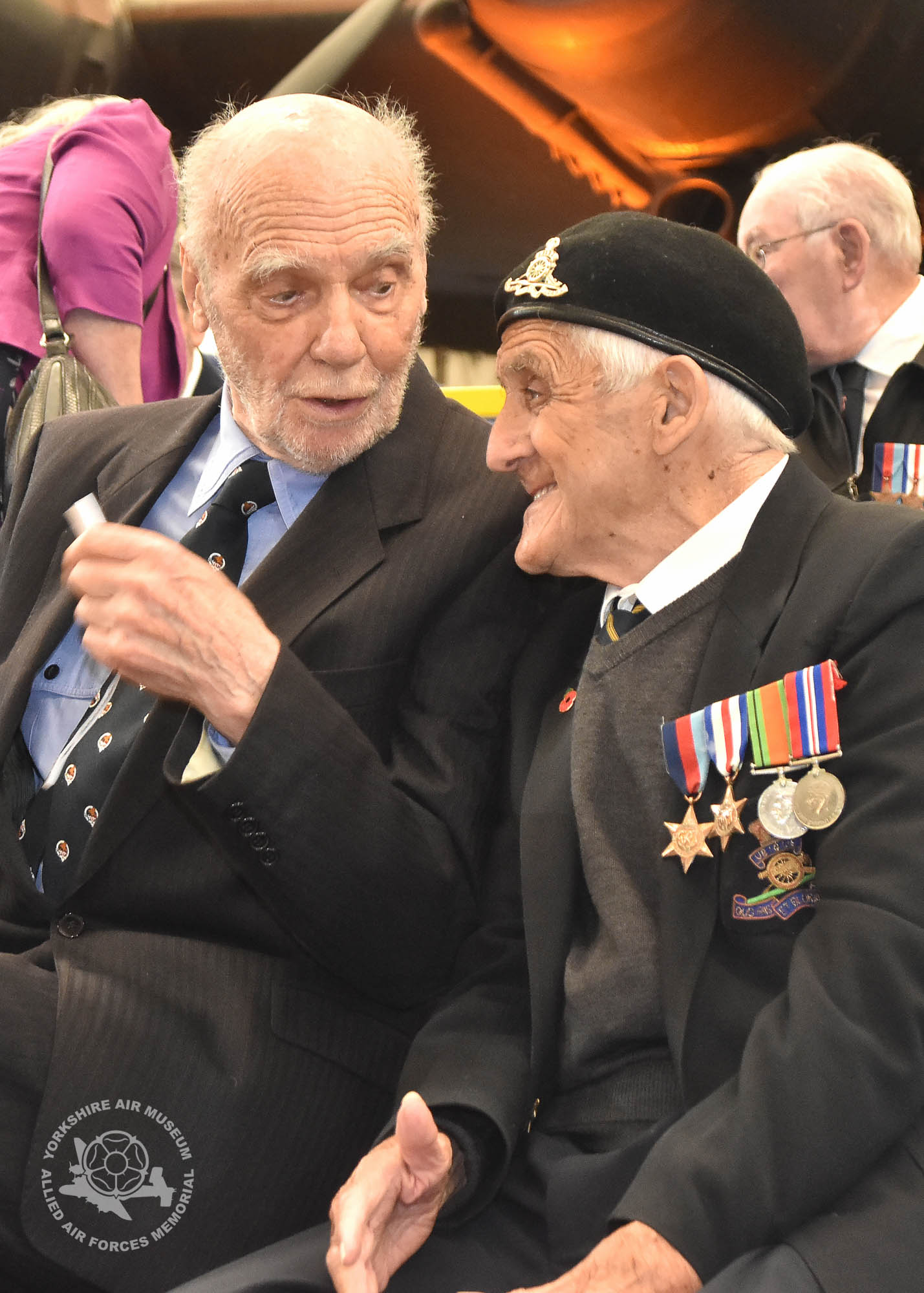
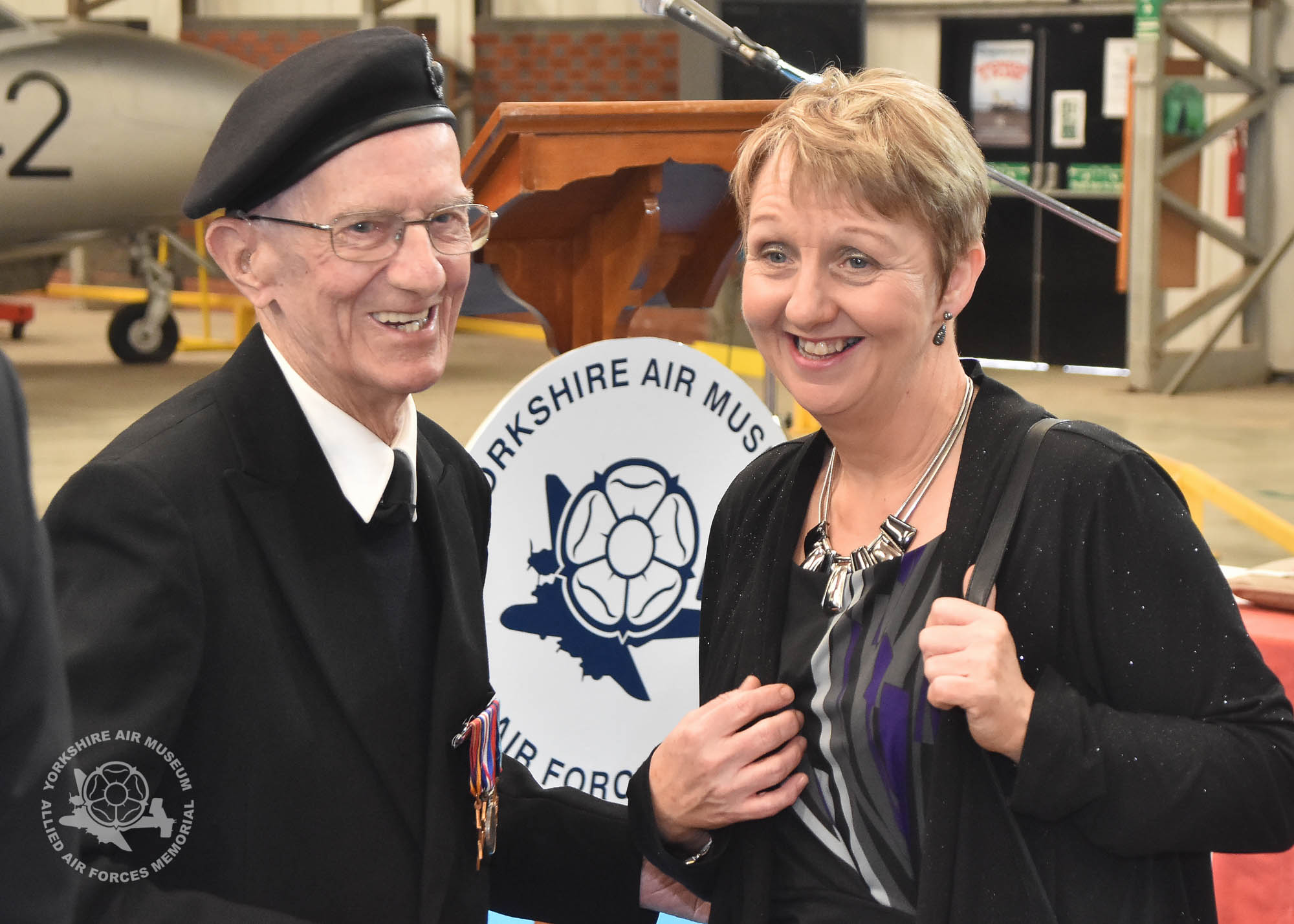
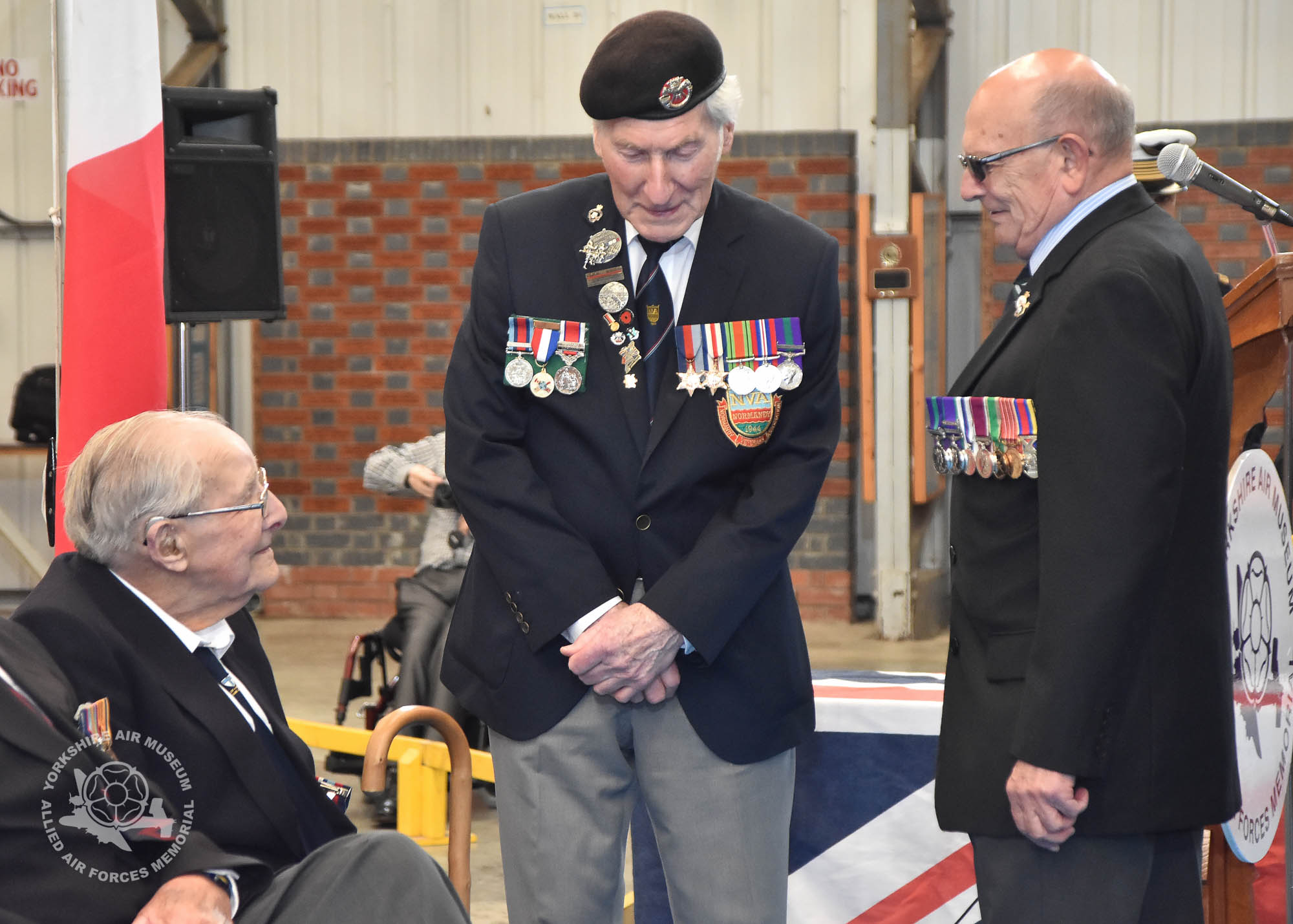
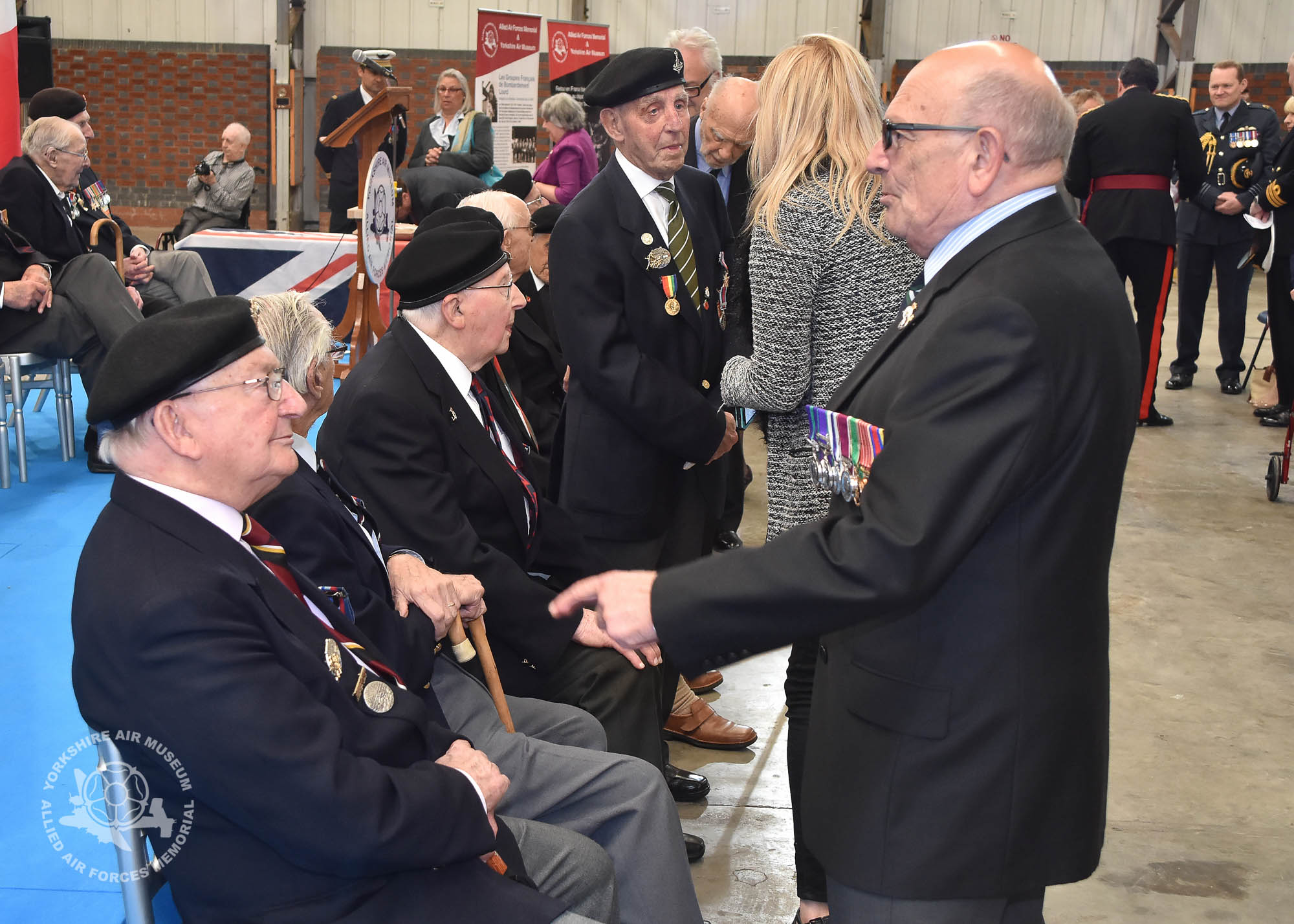
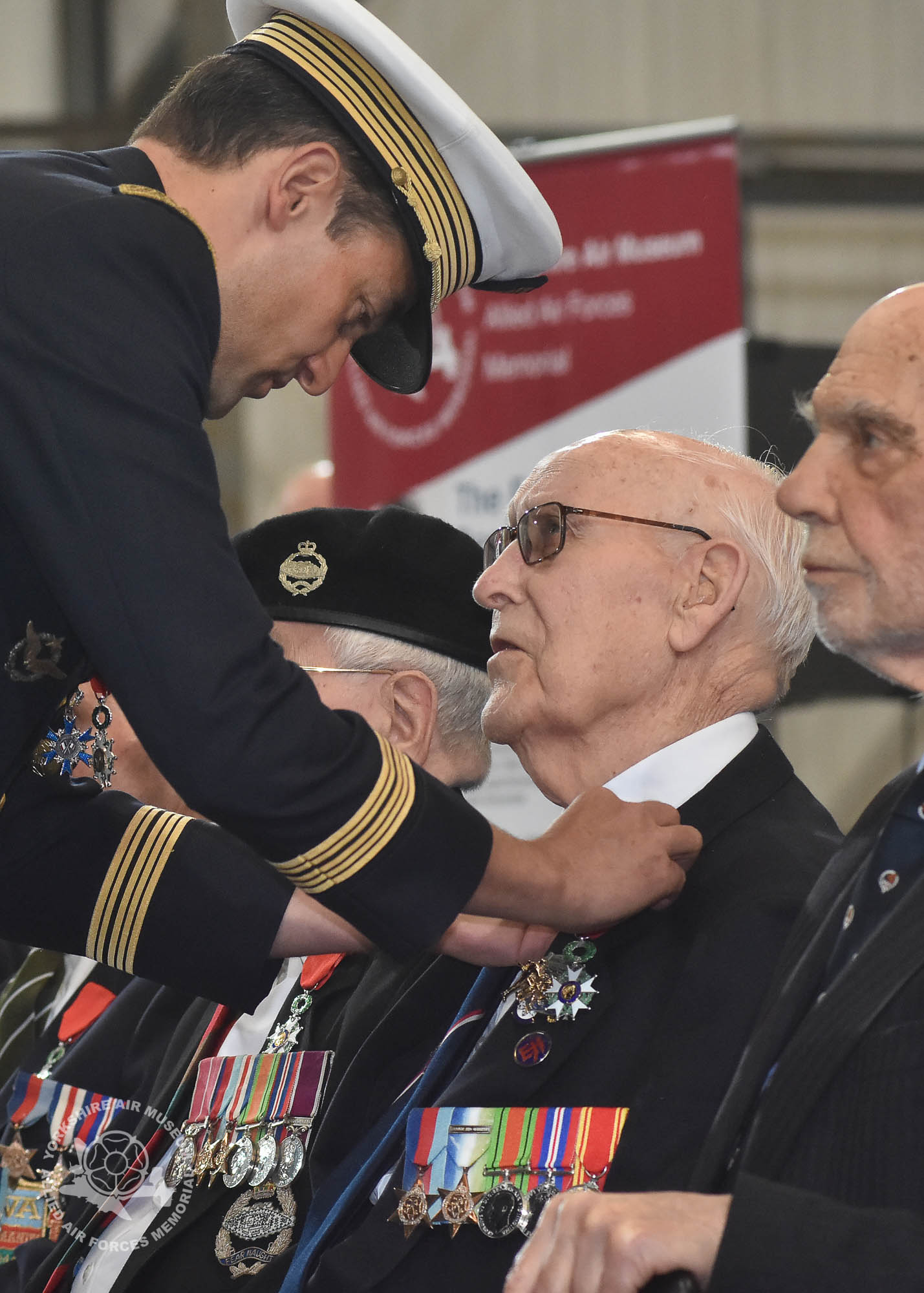
This large picture gallery from the recent medal ceremony shows all of the veterans from that day and is perhaps a suitable way to remember those challenging times and the proud men who survived to enjoy peace, plus of course the many, many men who didn’t.
Thank you to Vale Radio for the podcast that allows you to hear more of the ceremony. Thank you to photographer David Harrison for documenting this special day.
[soundcloud url=”https://api.soundcloud.com/tracks/267776489″ params=”auto_play=false&hide_related=false&show_comments=true&show_user=true&show_reposts=false&visual=true” width=”100%” height=”450″ iframe=”true” /]
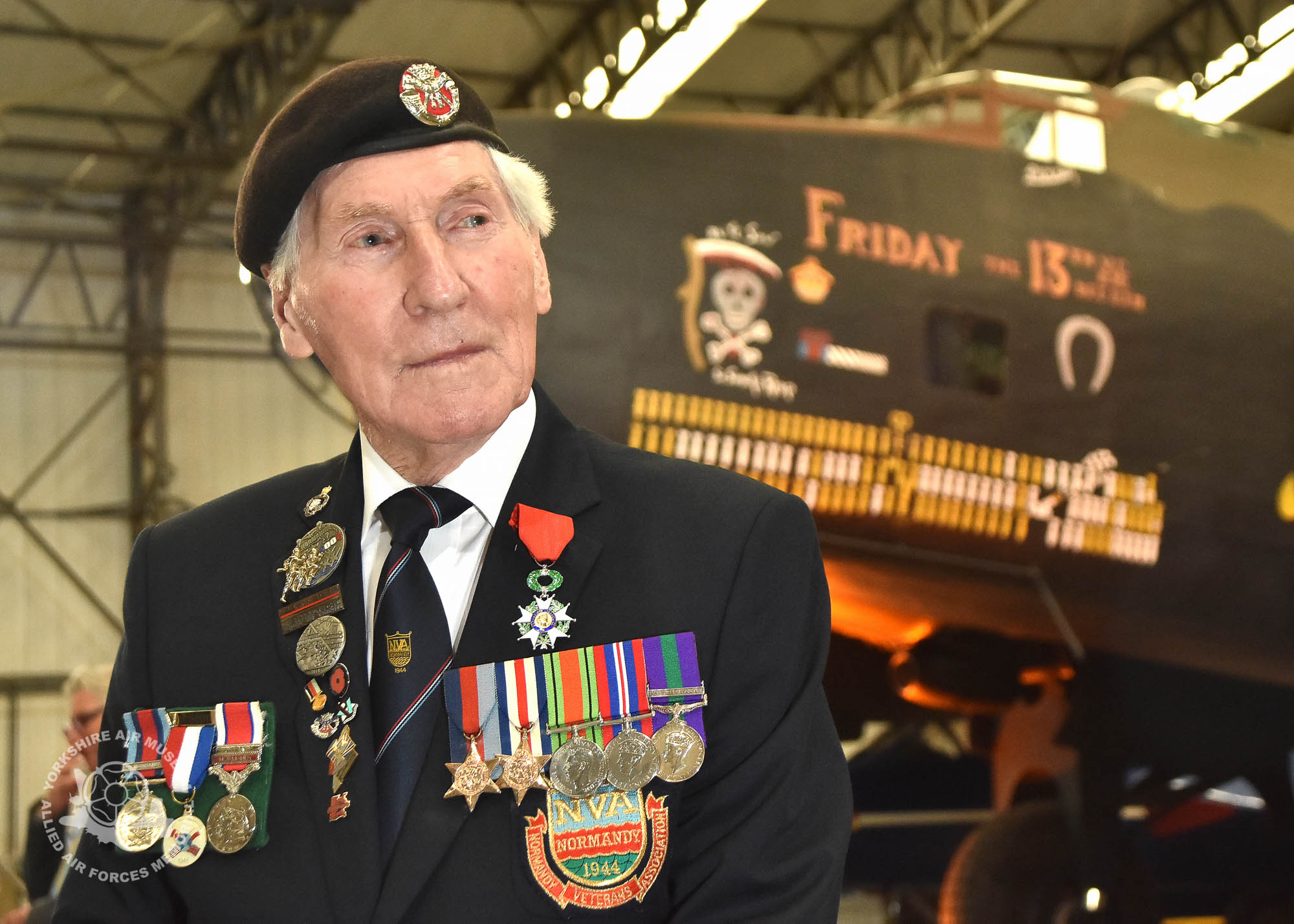
(Private 5th BAttalion Duke of Cornwall’s Light Infantry. Served in Normandy from D-Day. Wounded in action on 20th October 44 and evacuated by Dakota air ambulance to UK)
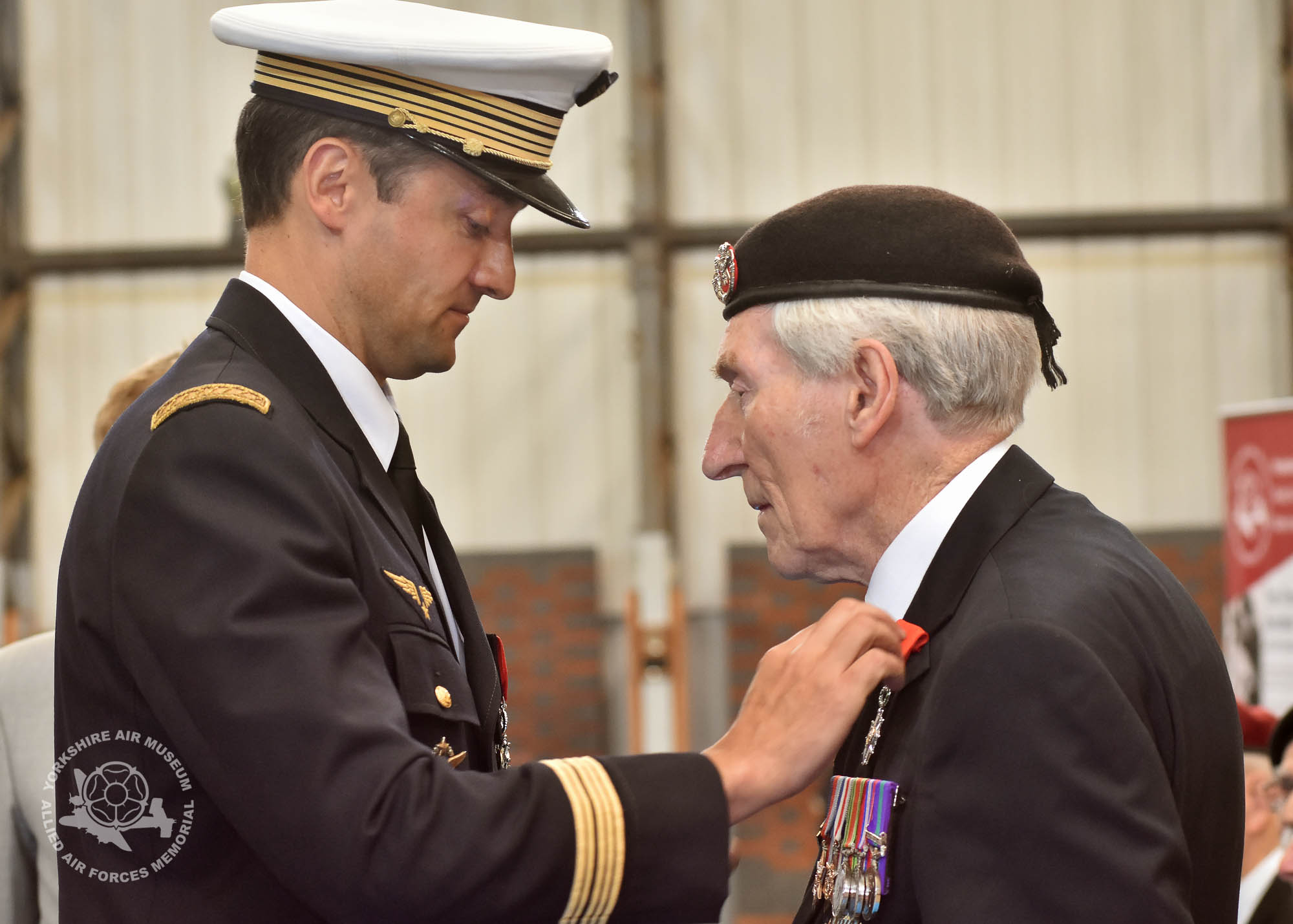
(Private 5th BAttalion Duke of Cornwall’s Light Infantry. Served in Normandy from D-Day. Wounded in action on 20th October 44 and evacuated by Dakota air ambulance to UK)
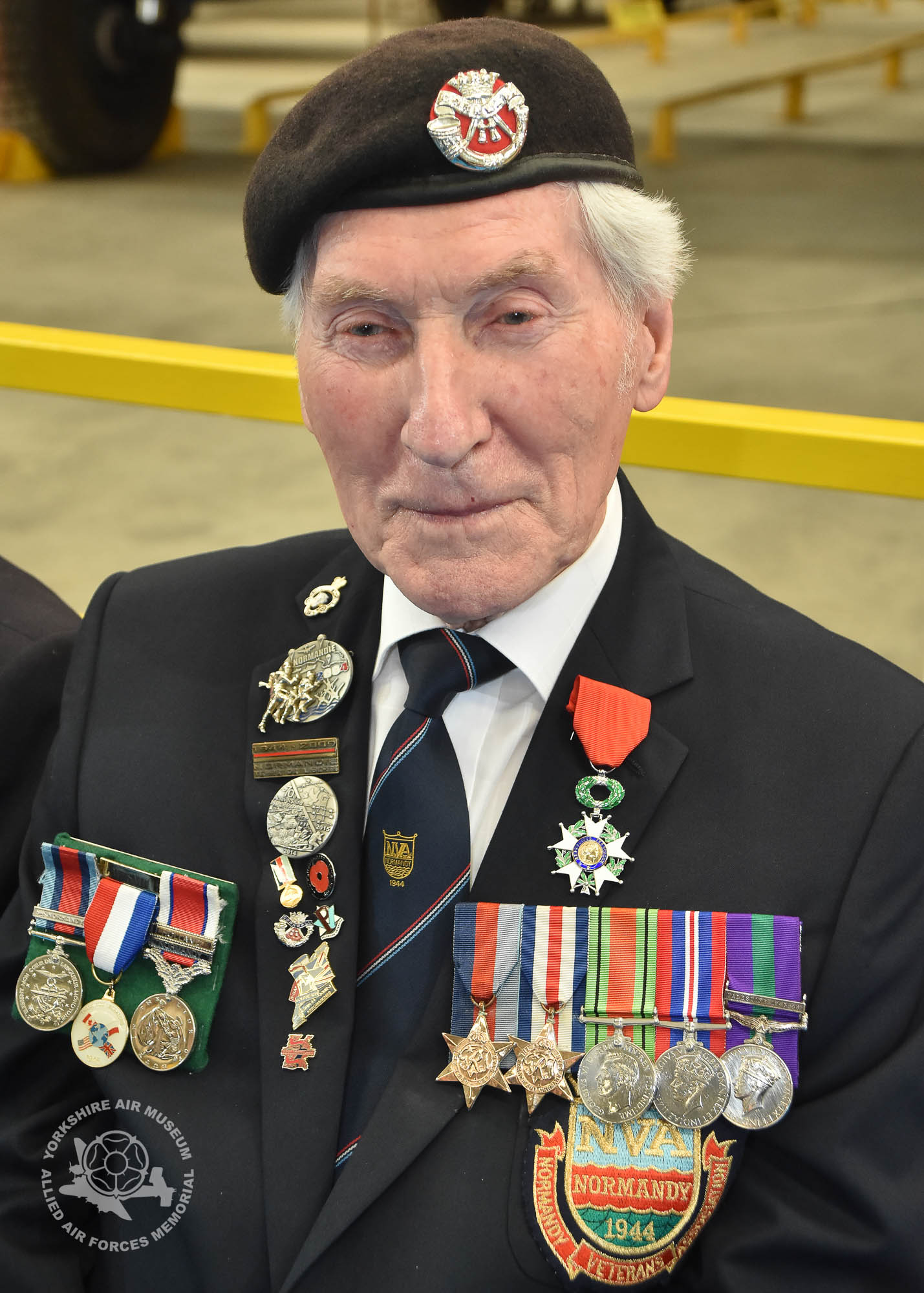
(Private 5th BAttalion Duke of Cornwall’s Light Infantry. Served in Normandy from D-Day. Wounded in action on 20th October 44 and evacuated by Dakota air ambulance to UK)
(Private, Medical Orderley, attached to 34th Field Dressing Station. Landed Juno beach D-Day in support of Canadian 3rd Division. Served with the unit until Christmas 1944.)
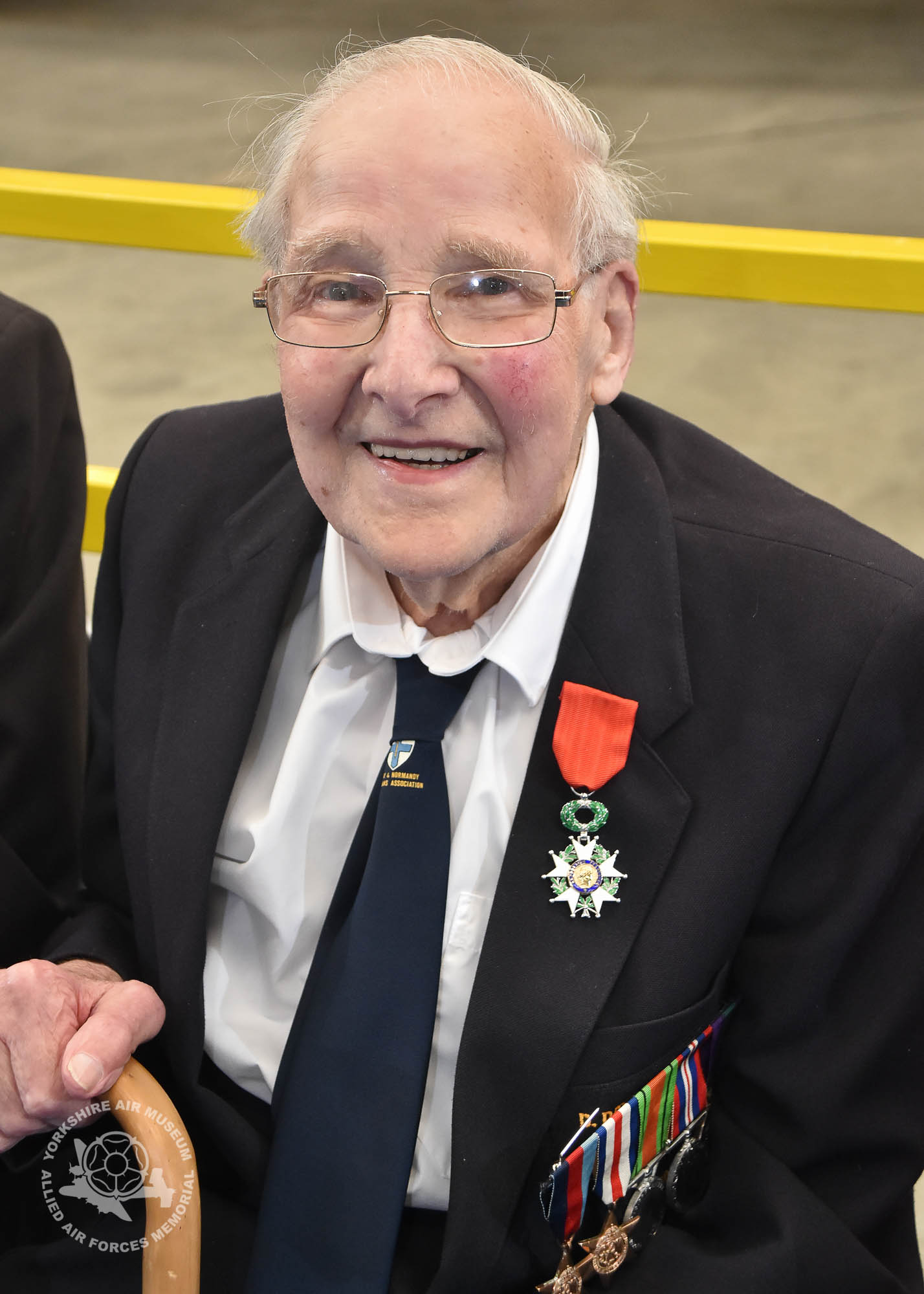
(Private, Medical Orderley, attached to 34th Field Dressing Station. Landed Juno beach D-Day in support of Canadian 3rd Division. Served with the unit until Christmas 1944.)
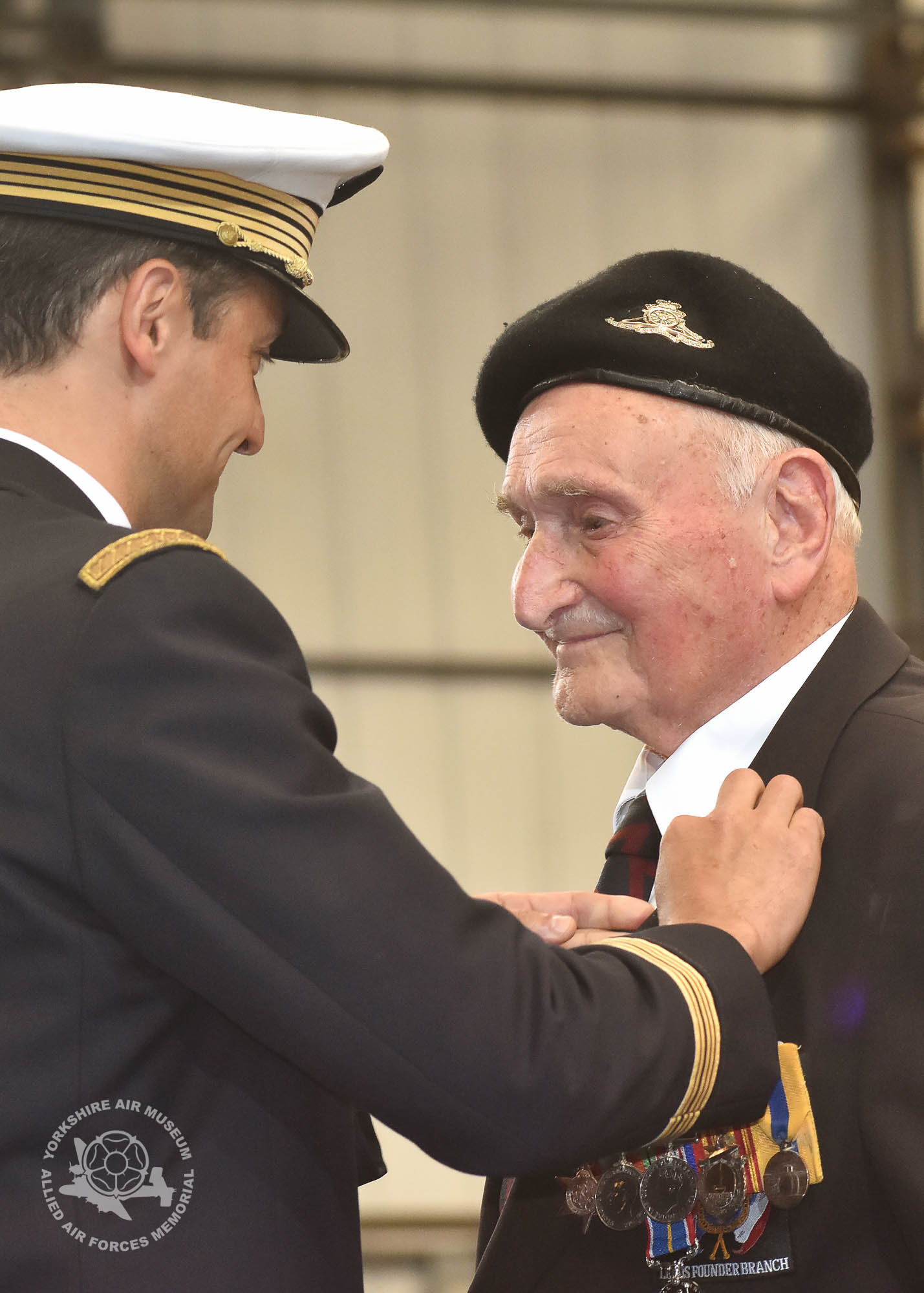
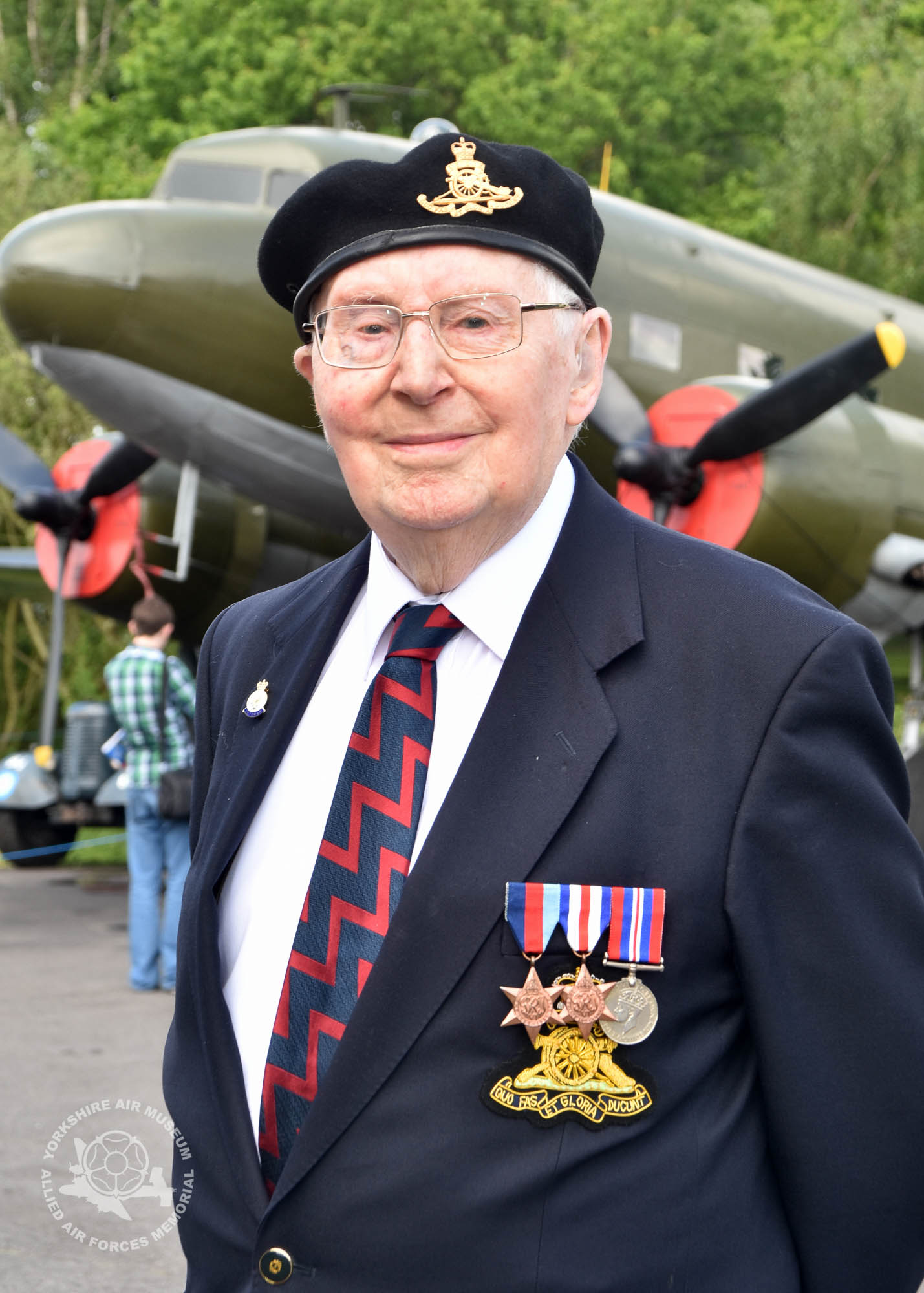
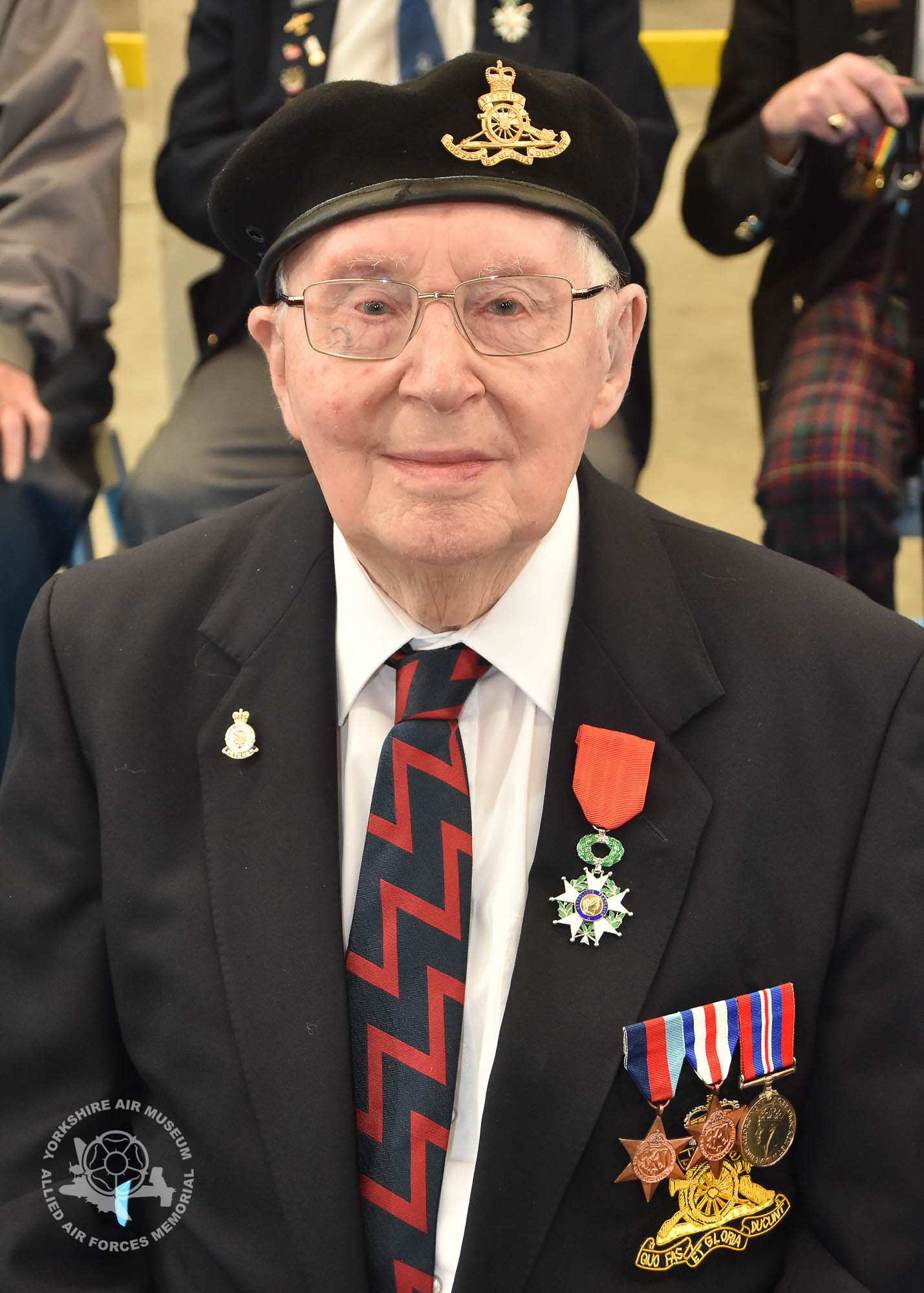
(Sergeant Royal Artillery in France 1940 at Dunkirk carrying out rearguard action. Escaped at San Rochelle to the UK. Also fought at La Pallice and Saint Nazaire.)
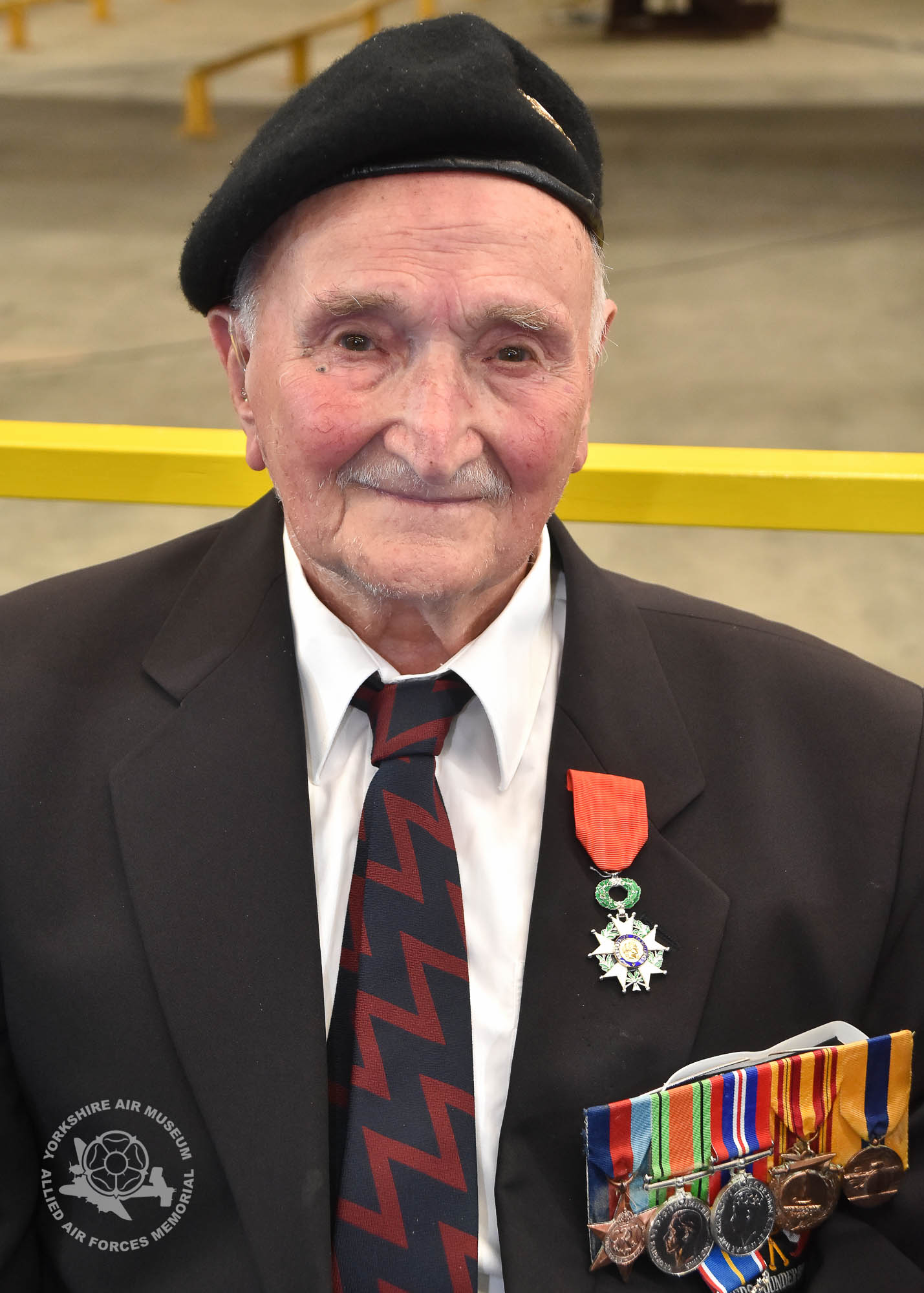
(Sergeant Royal Artillery in France 1940 at Dunkirk carrying out rearguard action. Escaped at San Rochelle to the UK. Also fought at La Pallice and Saint Nazaire.)
(Private Royal Army Medical Corps. Landed D-Day on Sword Beach )
(Private Royal Army Medical Corps. Landed D-Day on Sword Beach )
(Sapper Survey Company 519 Army. Loaded a water truck on cargo ship, landed 07.06.44 establishing a base at a farm in Esquary Sur Surlles. Progressed through Falaise, Rouen, Amiens and Valenciennes to Schepdael in Belgium.)
(Sapper Survey Company 519 Army. Loaded a water truck on cargo ship, landed 07.06.44 establishing a base at a farm in Esquary Sur Surlles. Progressed through Falaise, Rouen, Amiens and Valenciennes to Schepdael in Belgium.)
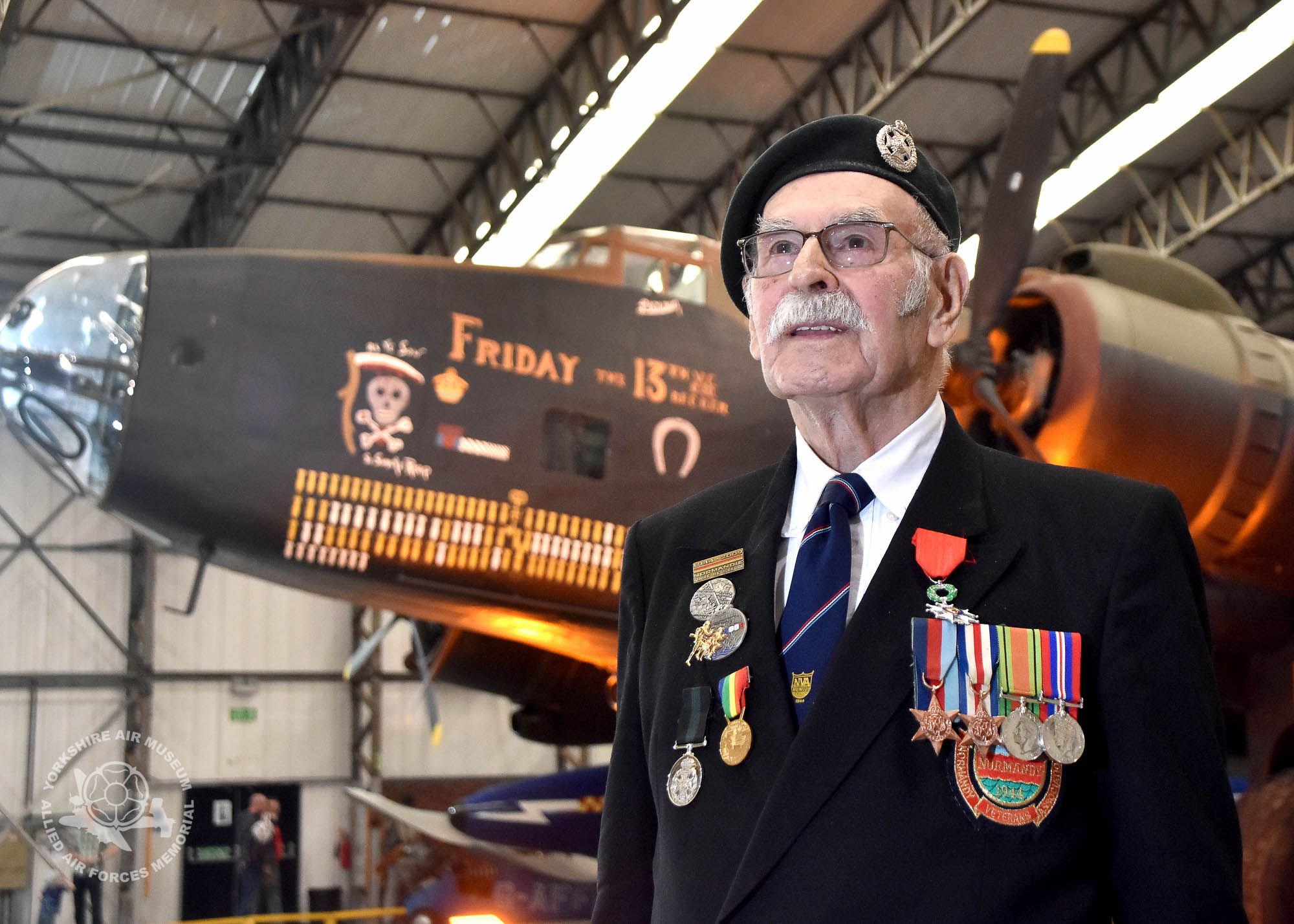
(Private in the Army. Dispatch rider with 11th Armoured Division. Served from 7th June until the end of the campaign.)
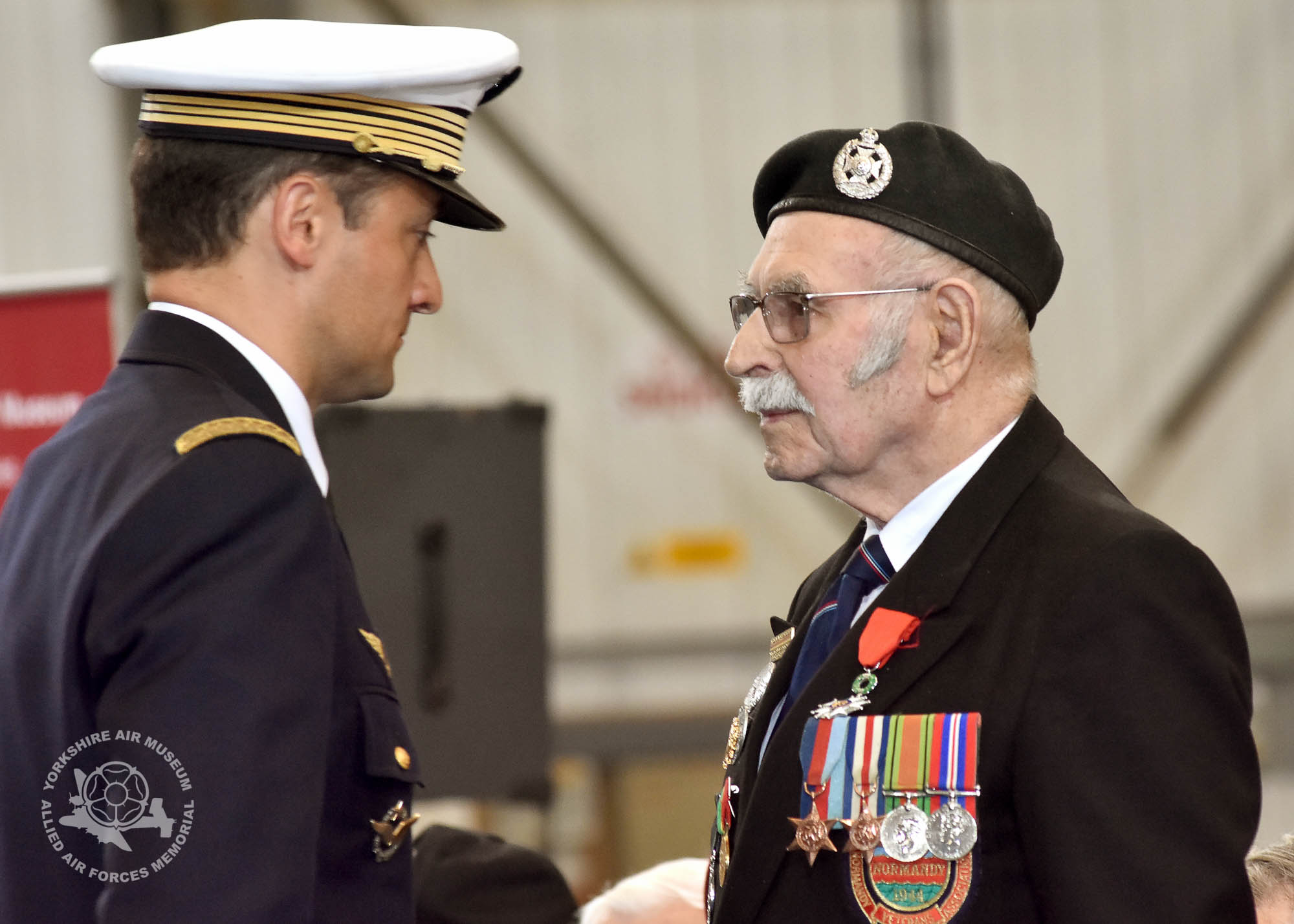
(Private in the Army. Dispatch rider with 11th Armoured Division. Served from 7th June until the end of the campaign.)
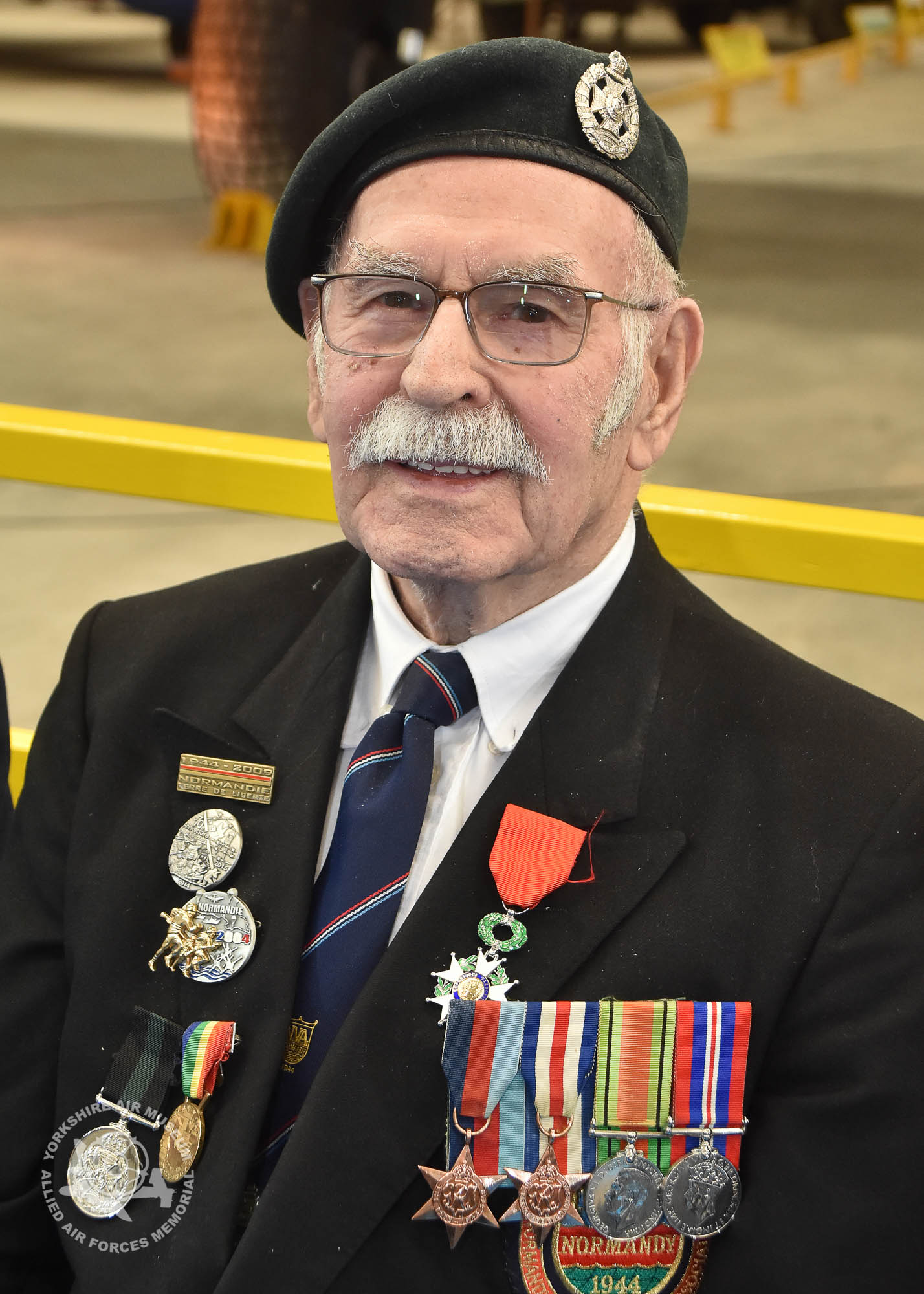
(Private in the Army. Dispatch rider with 11th Armoured Division. Served from 7th June until the end of the campaign.)
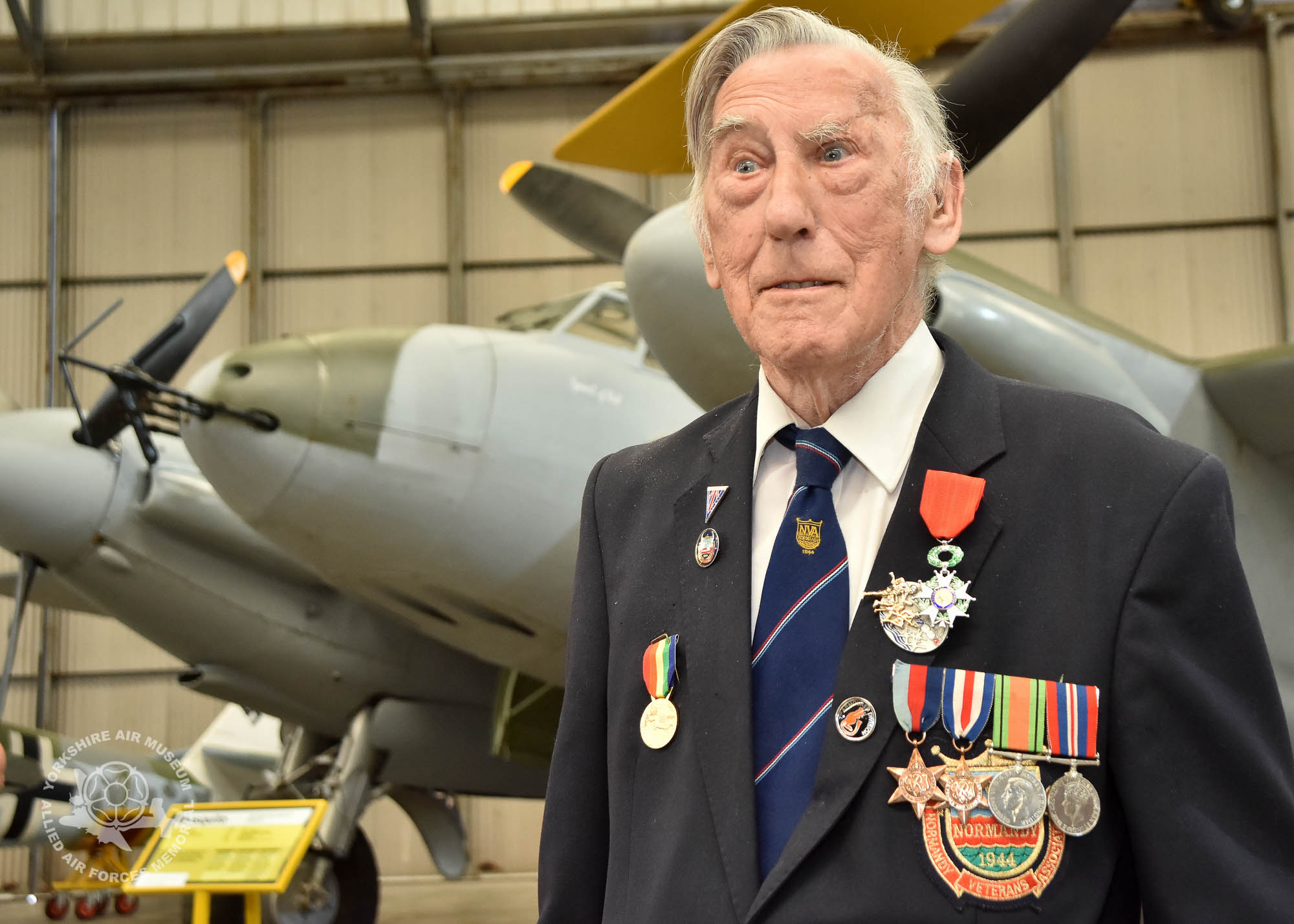
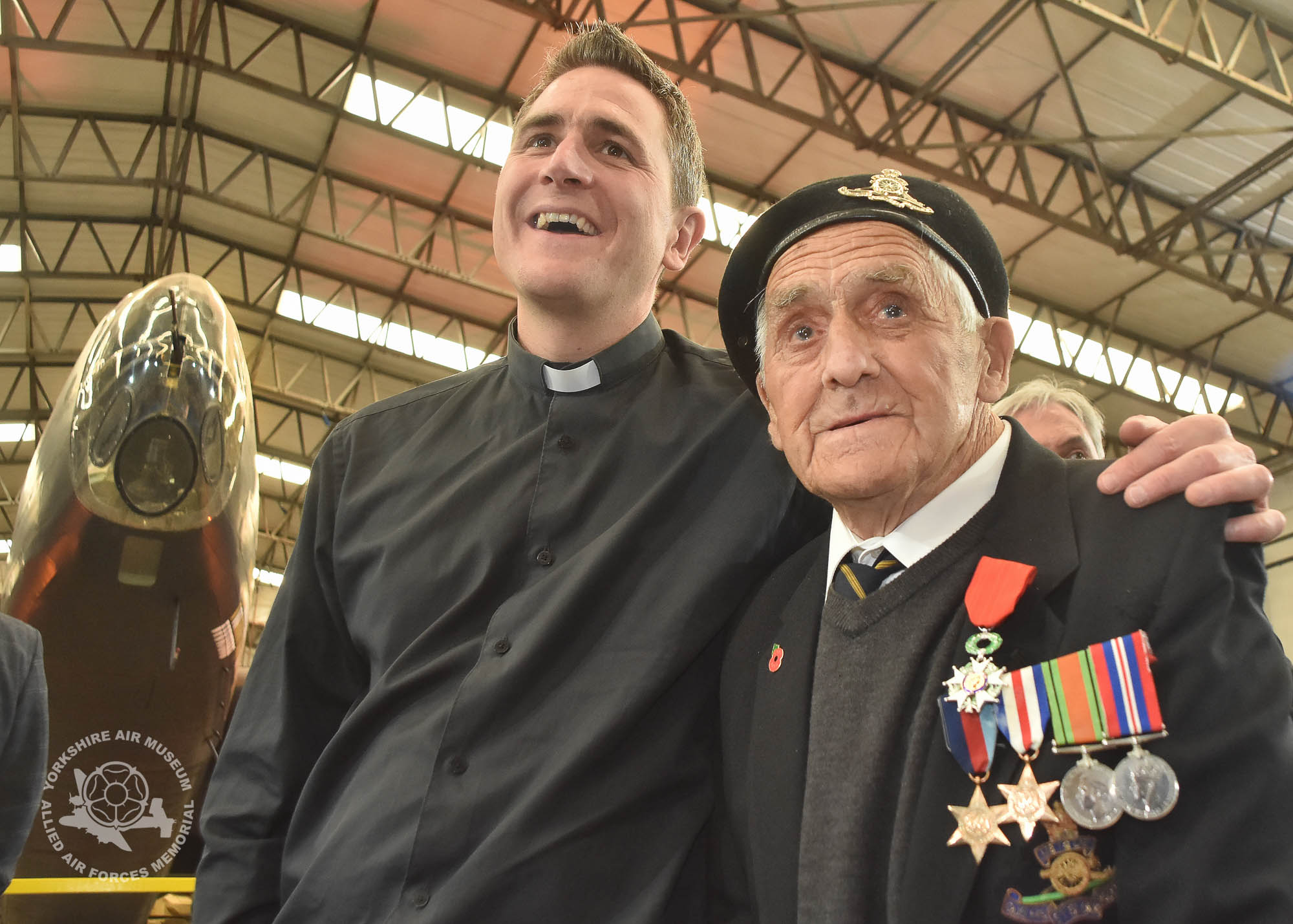
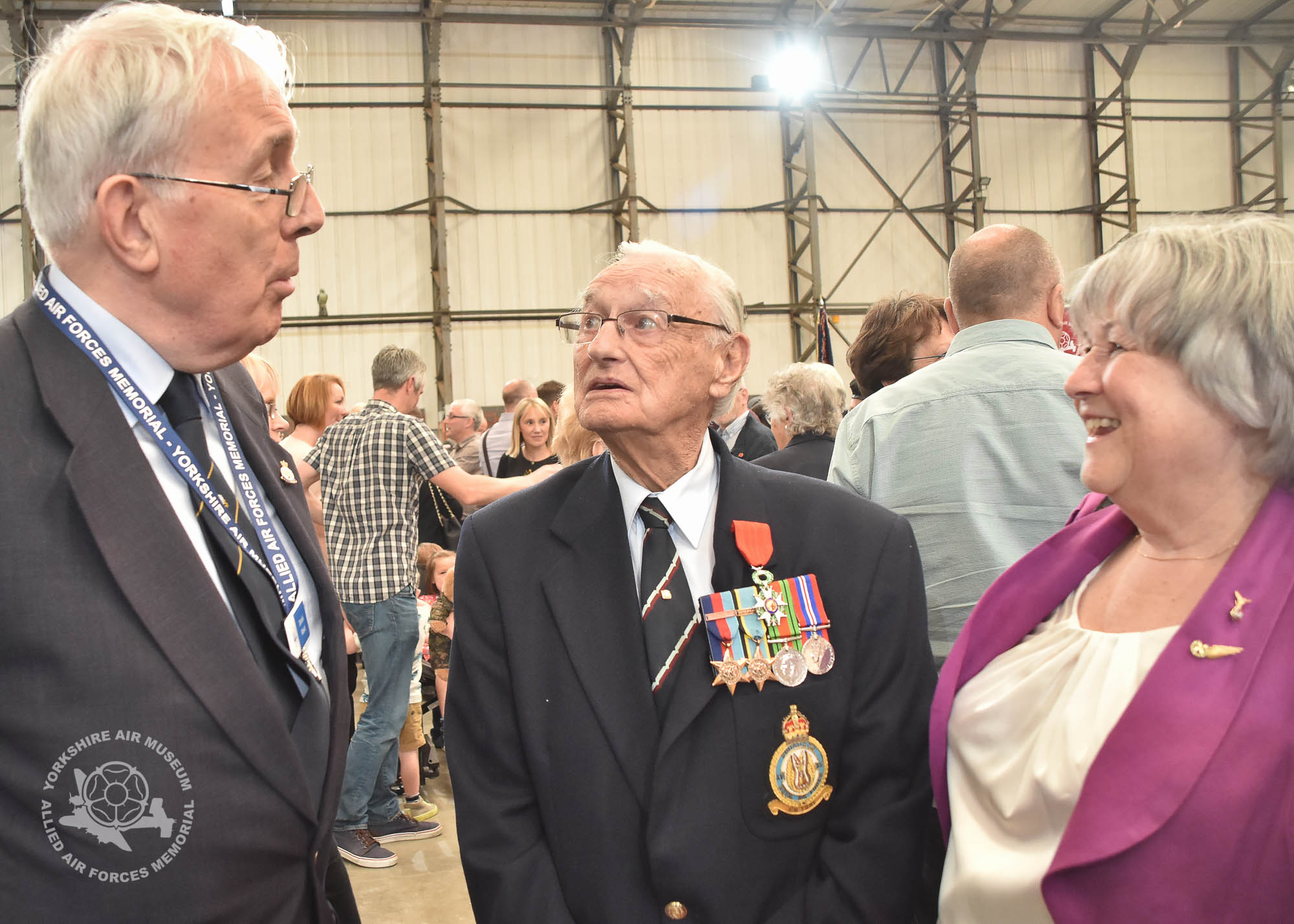
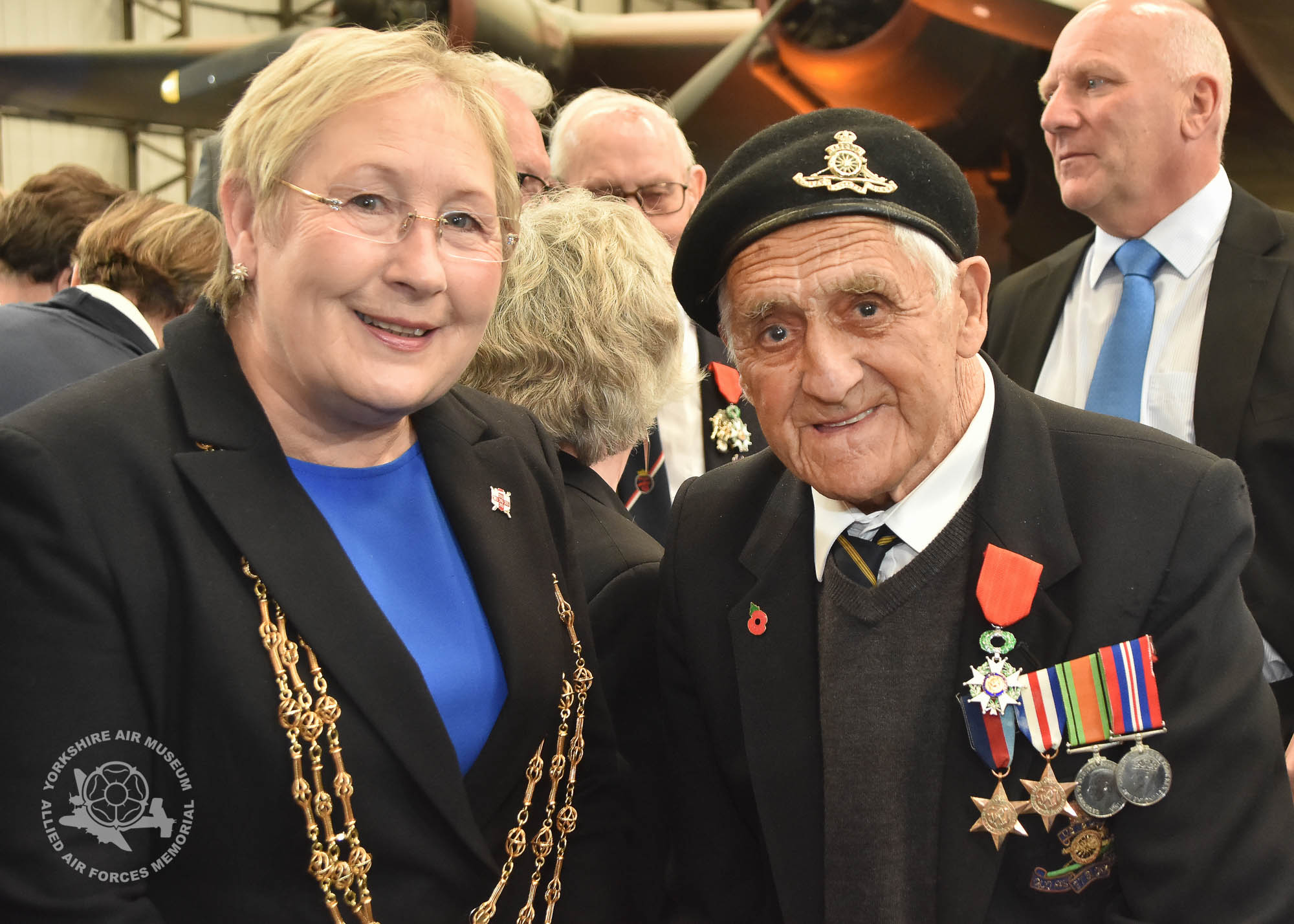
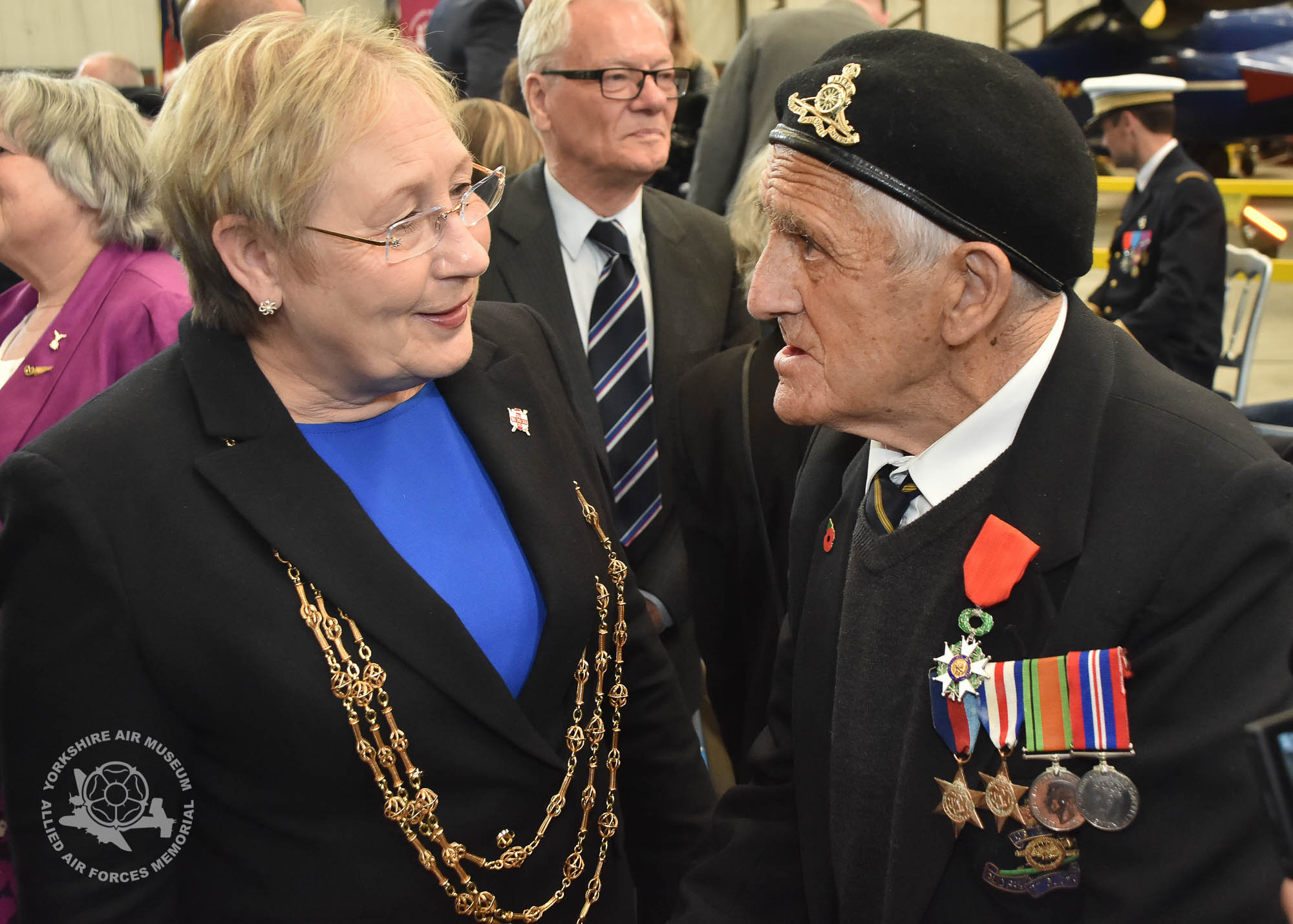
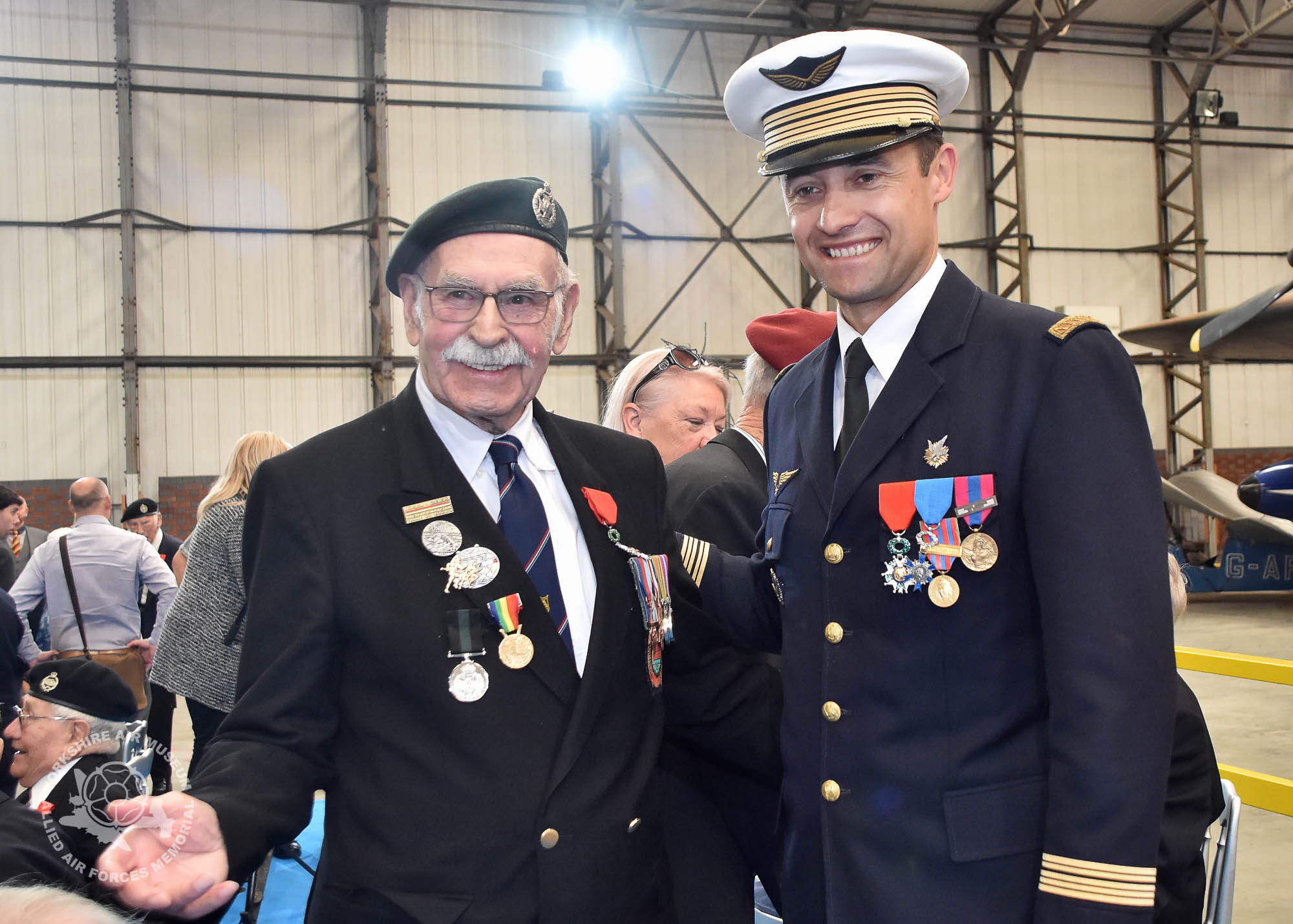
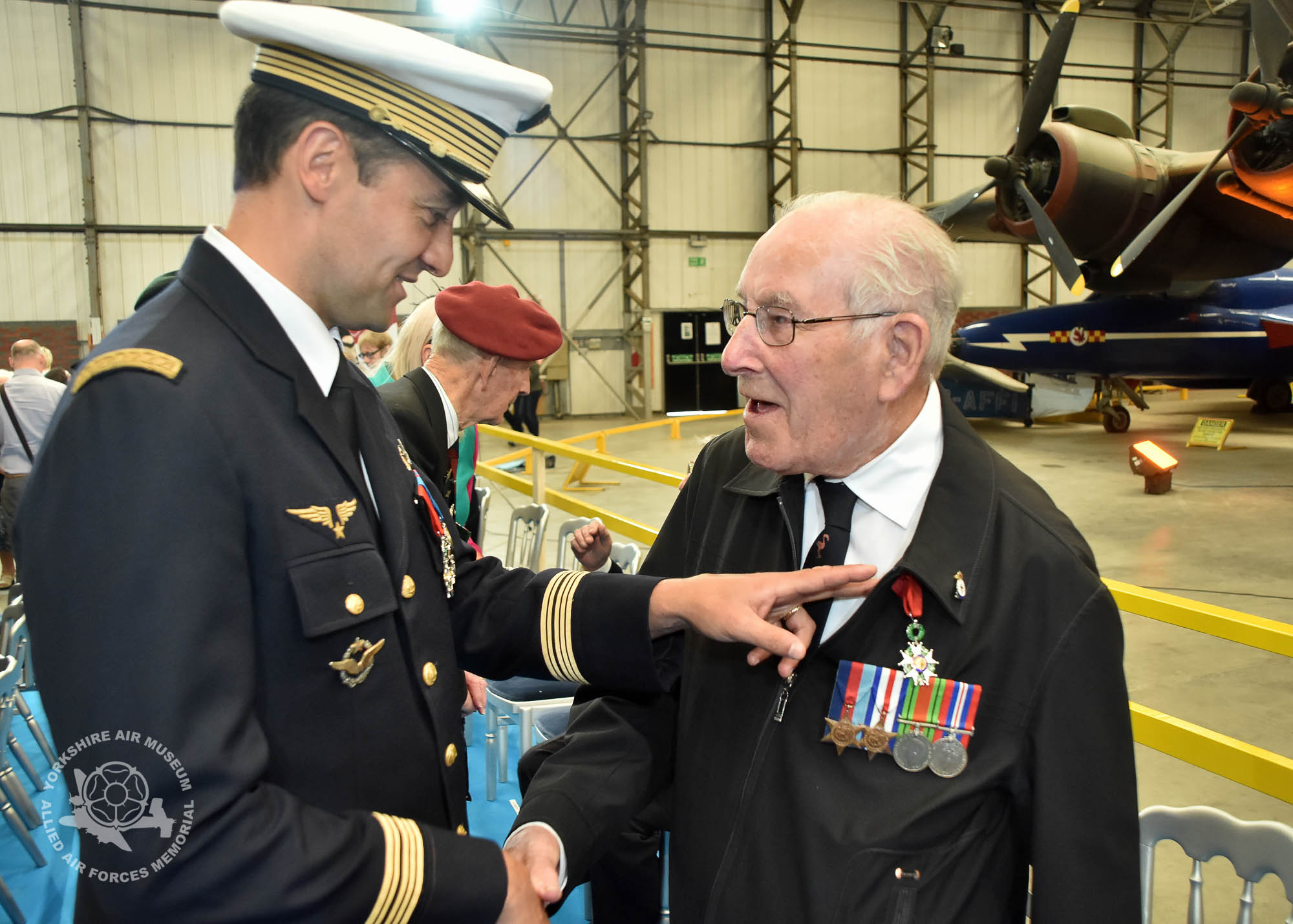
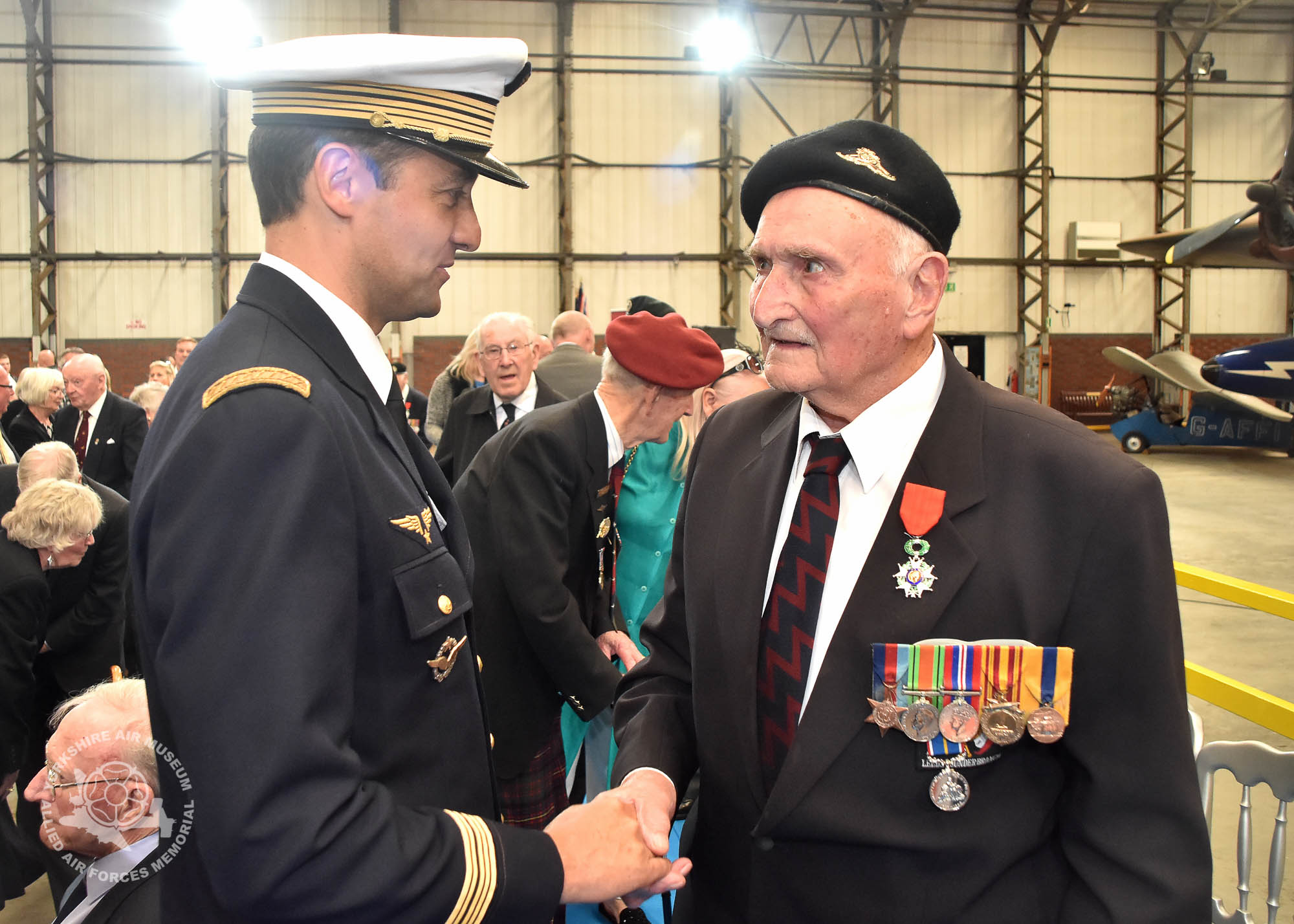
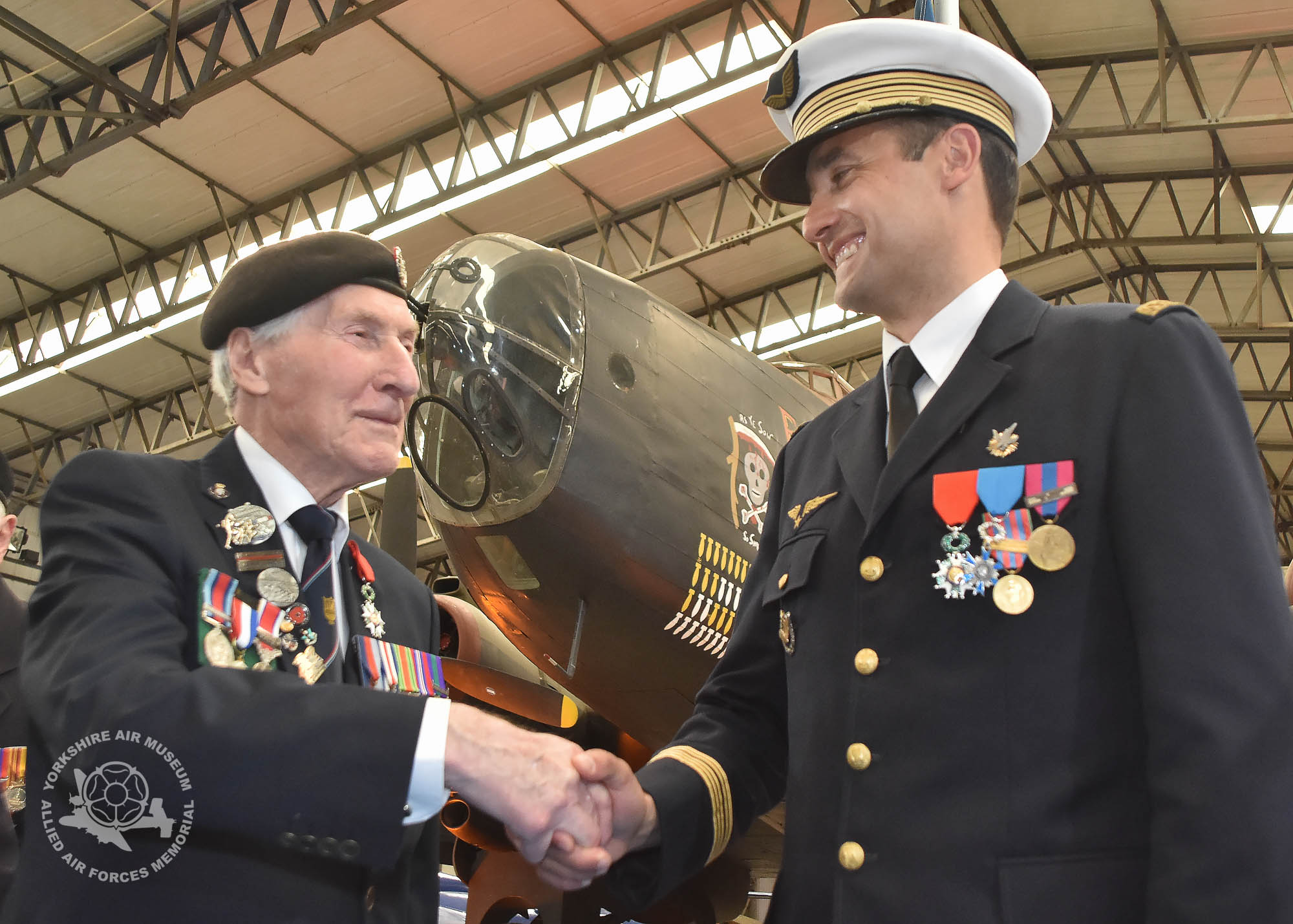
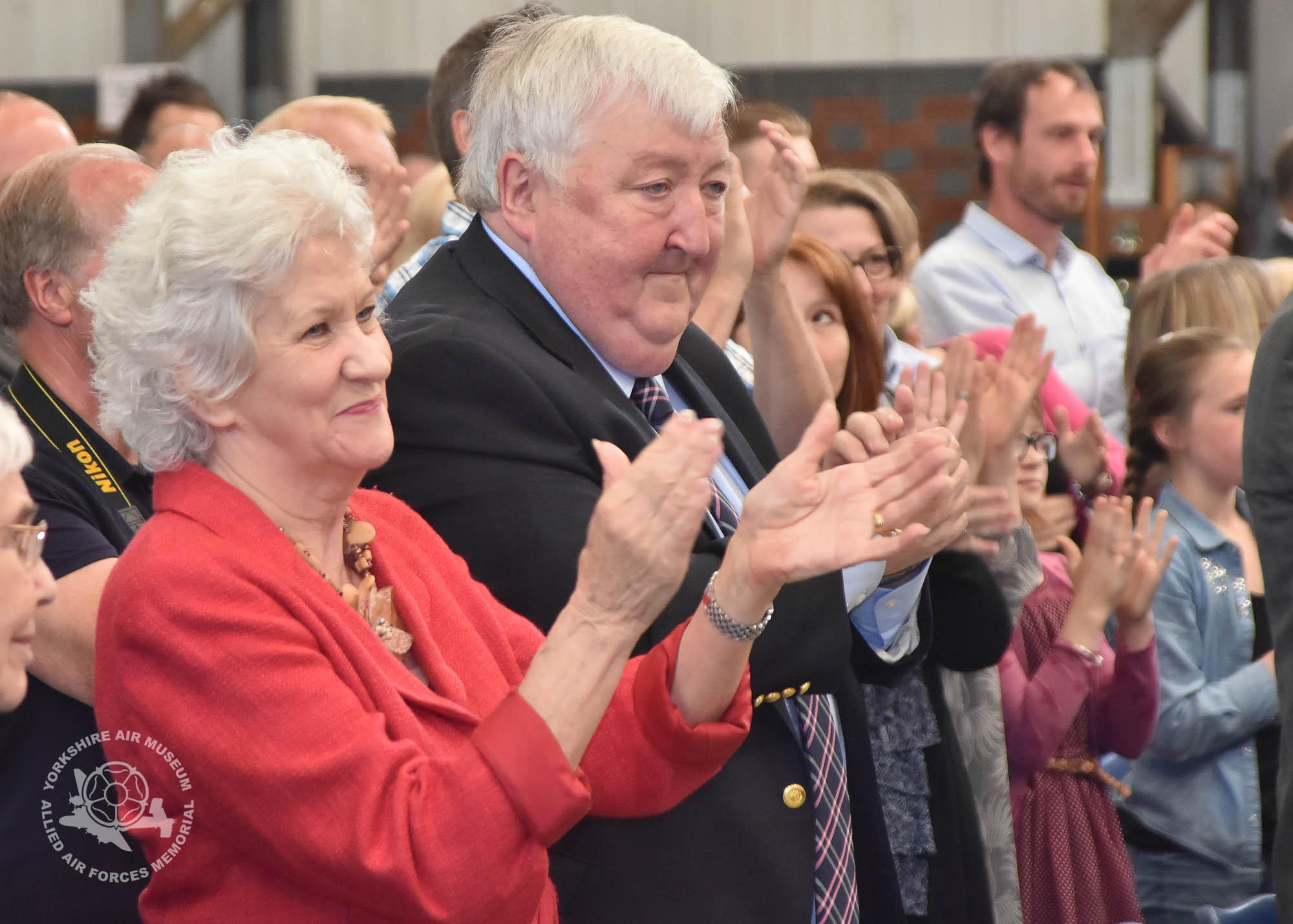
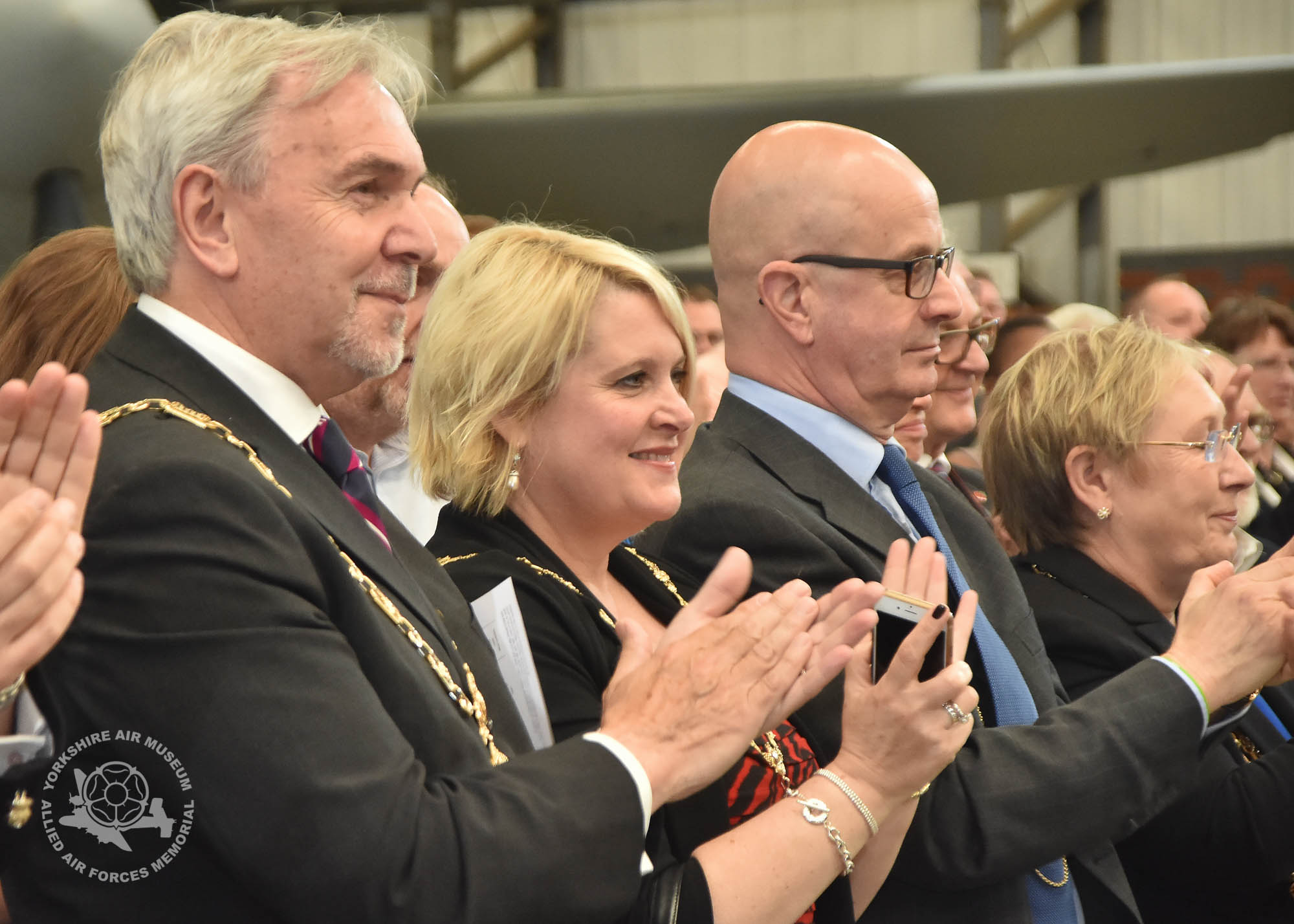
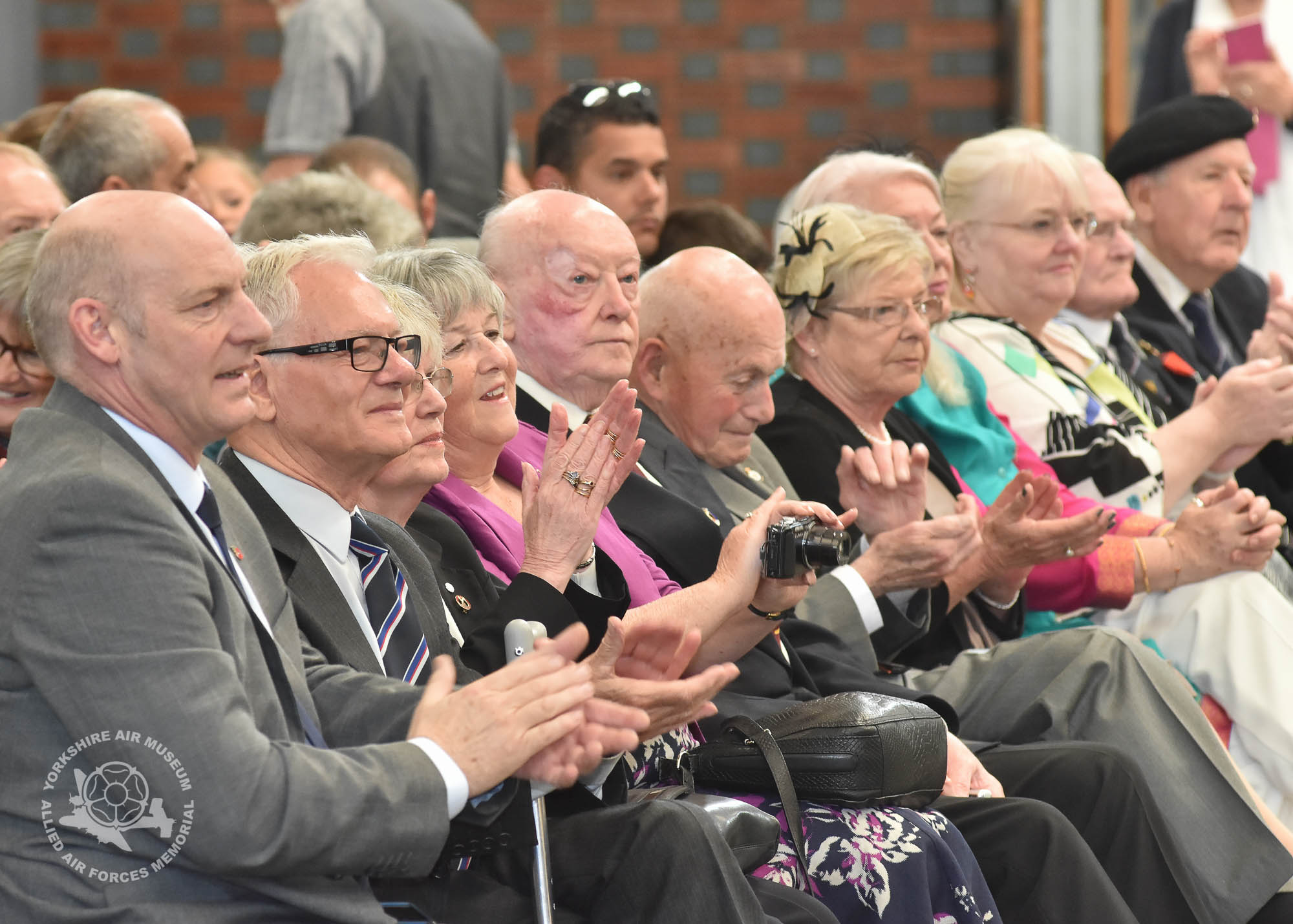
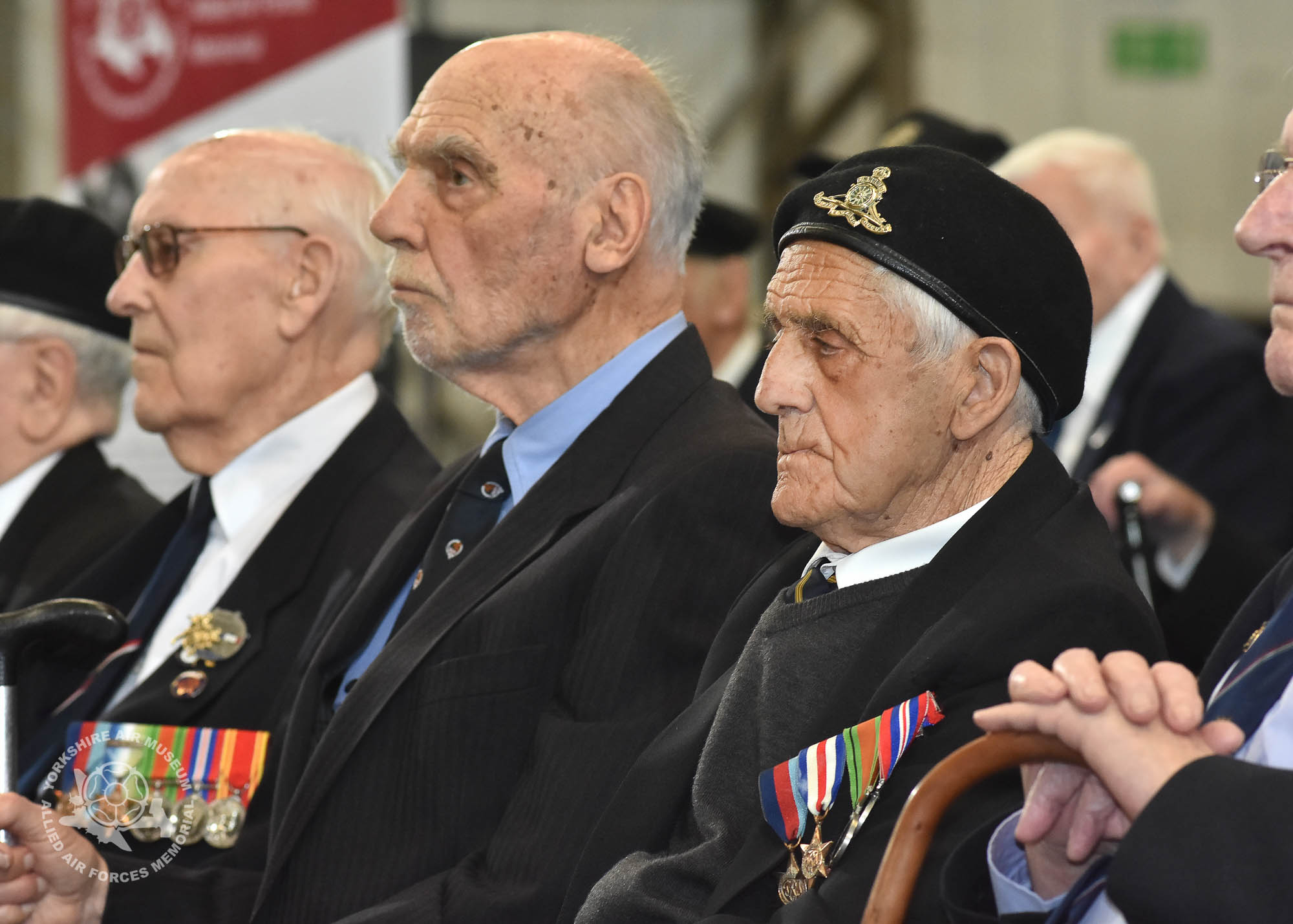
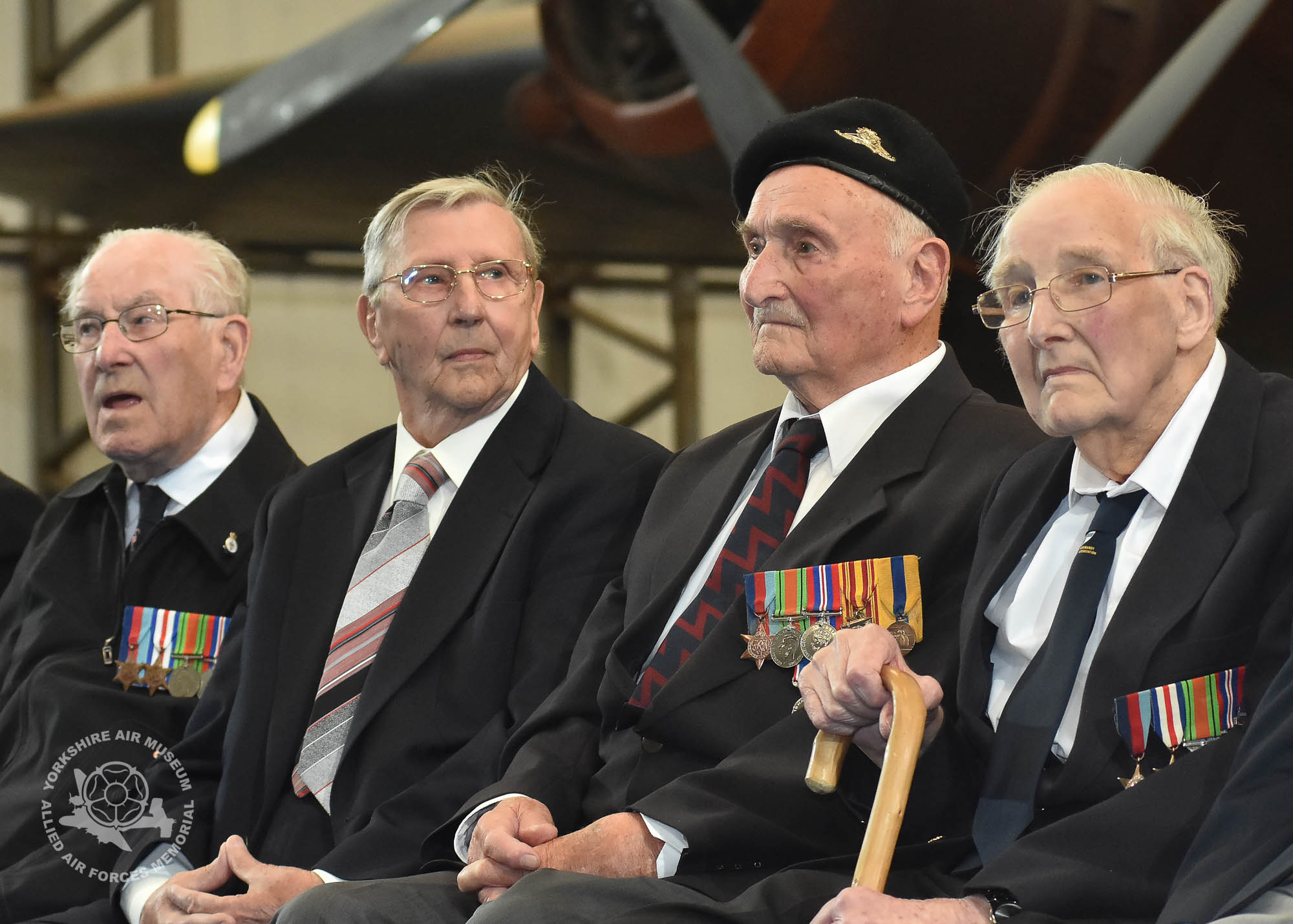
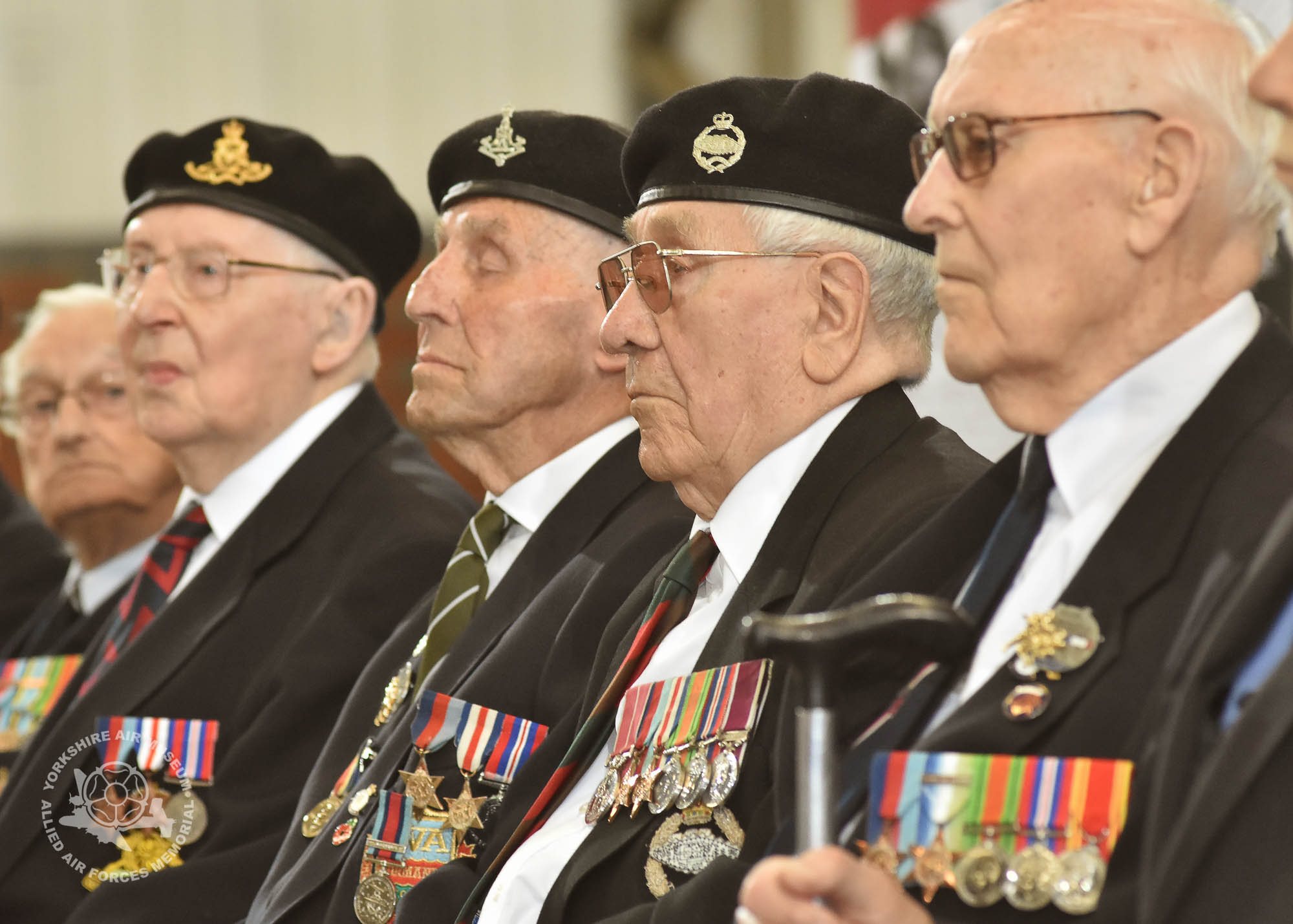
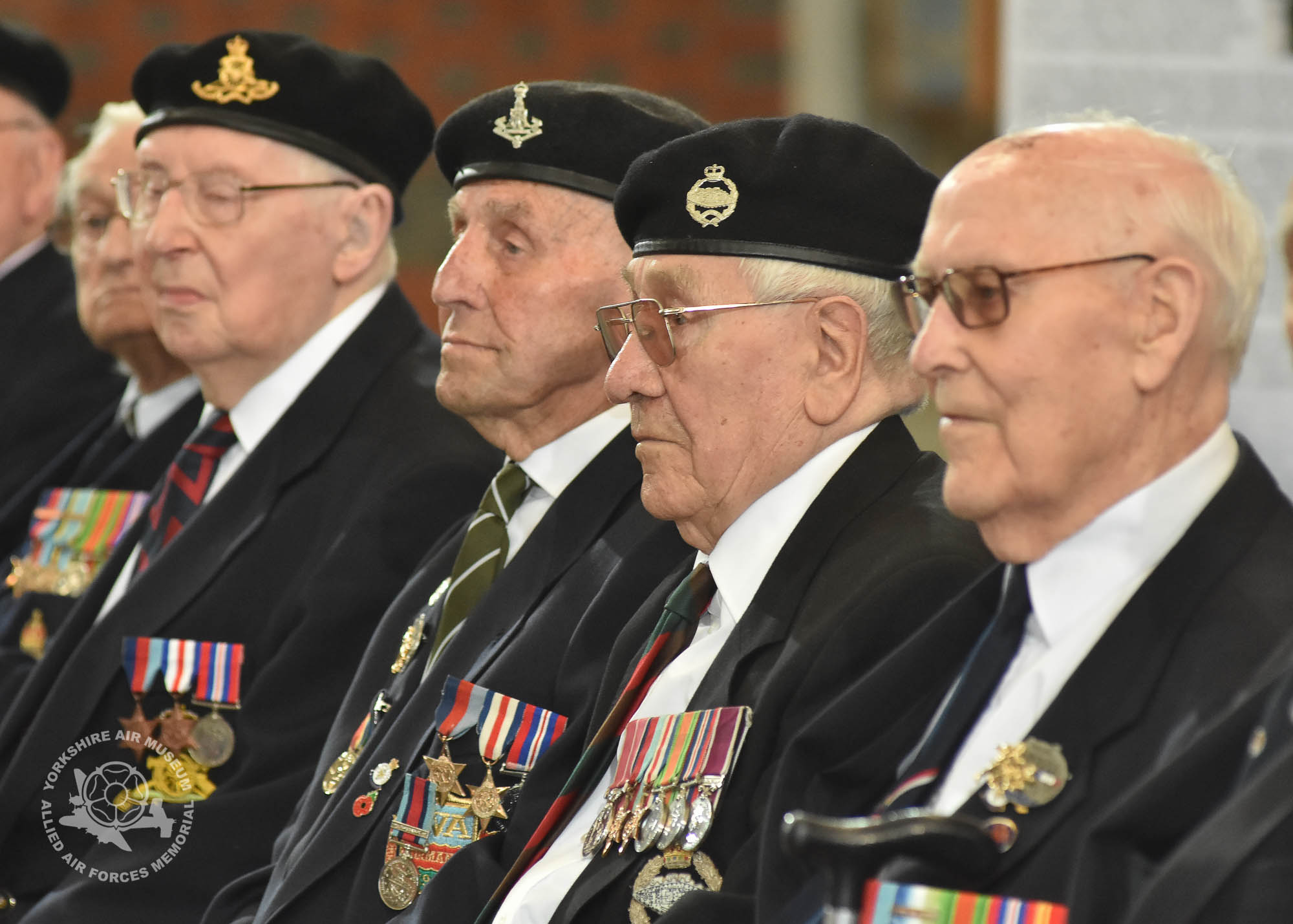
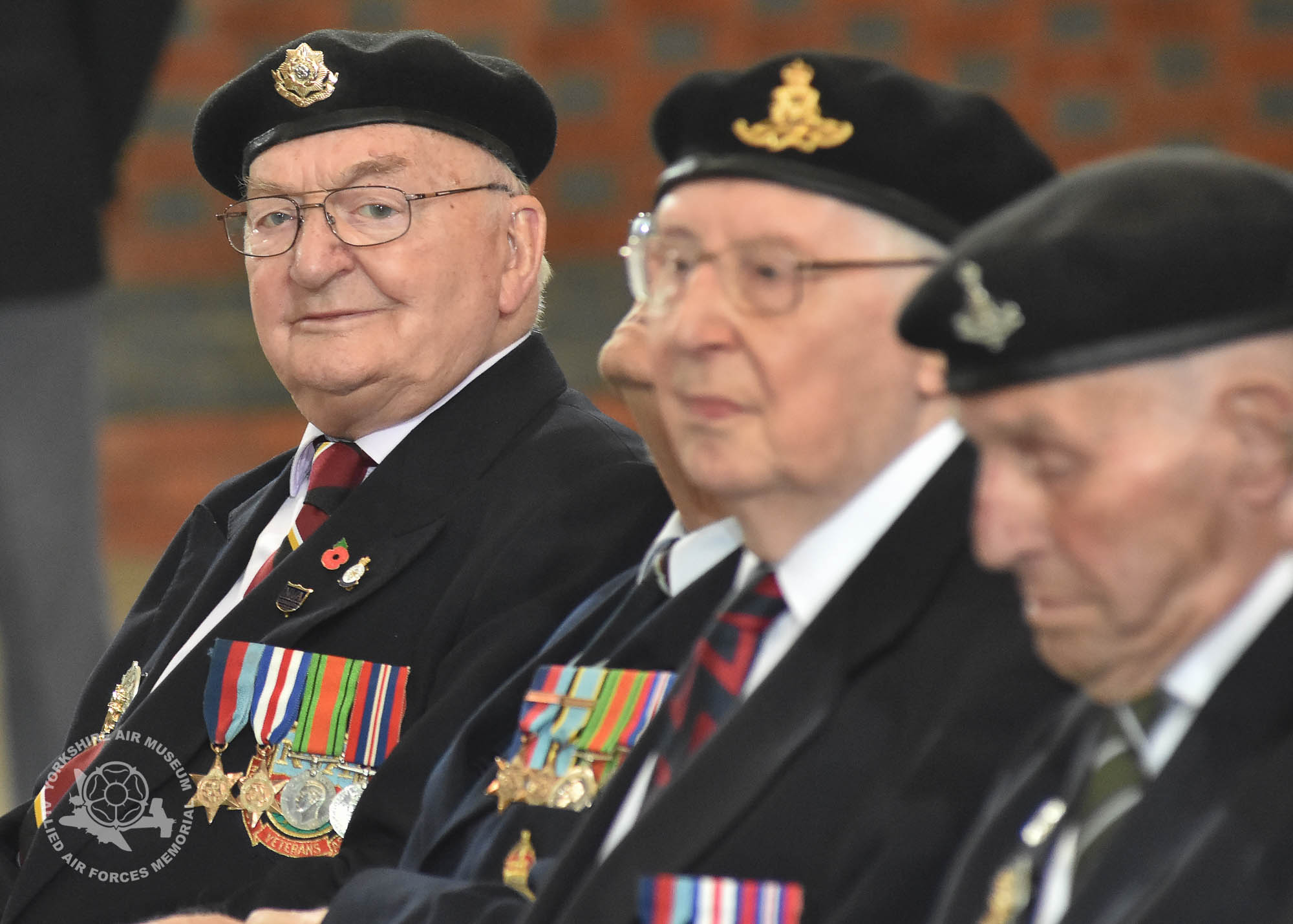
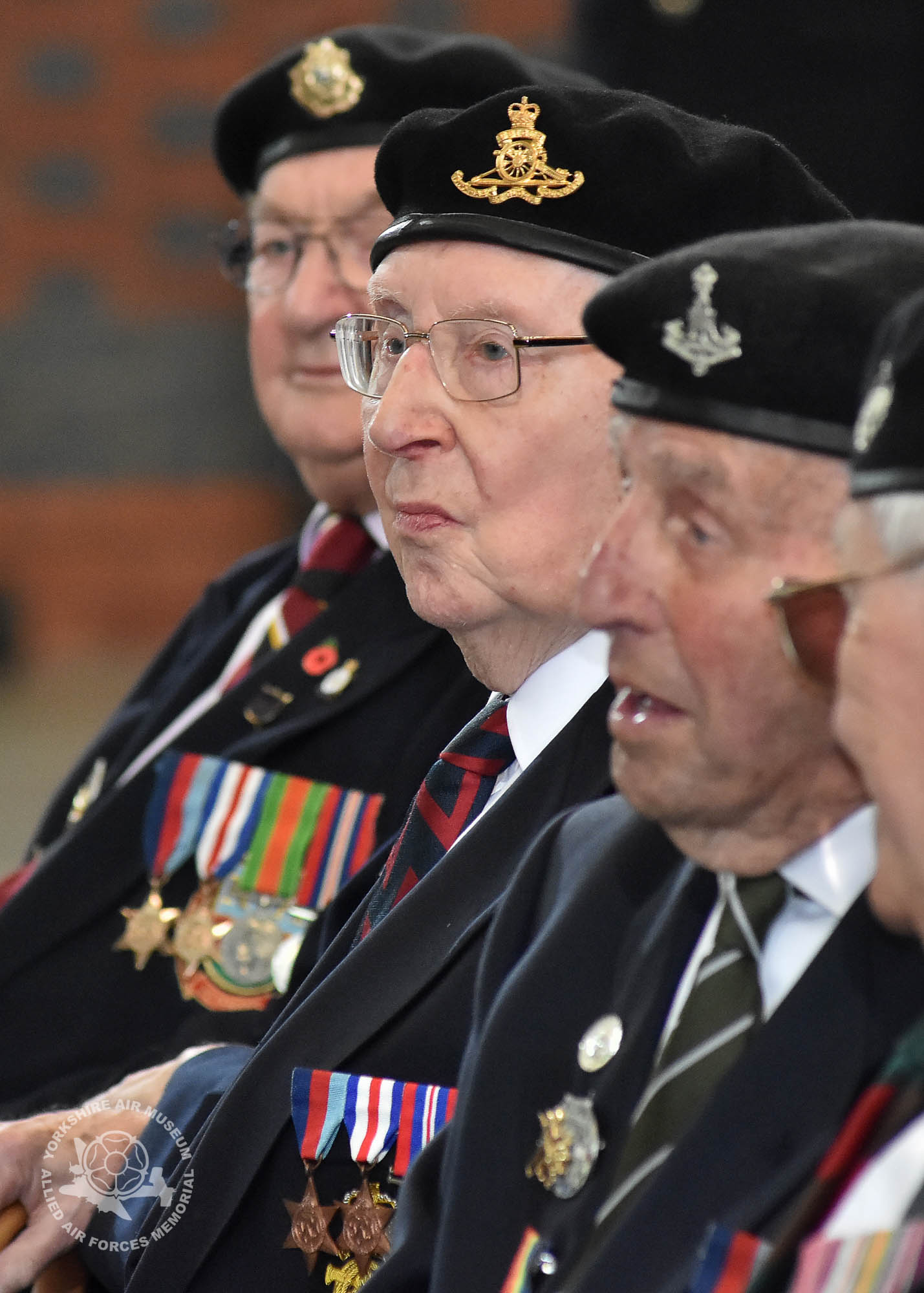
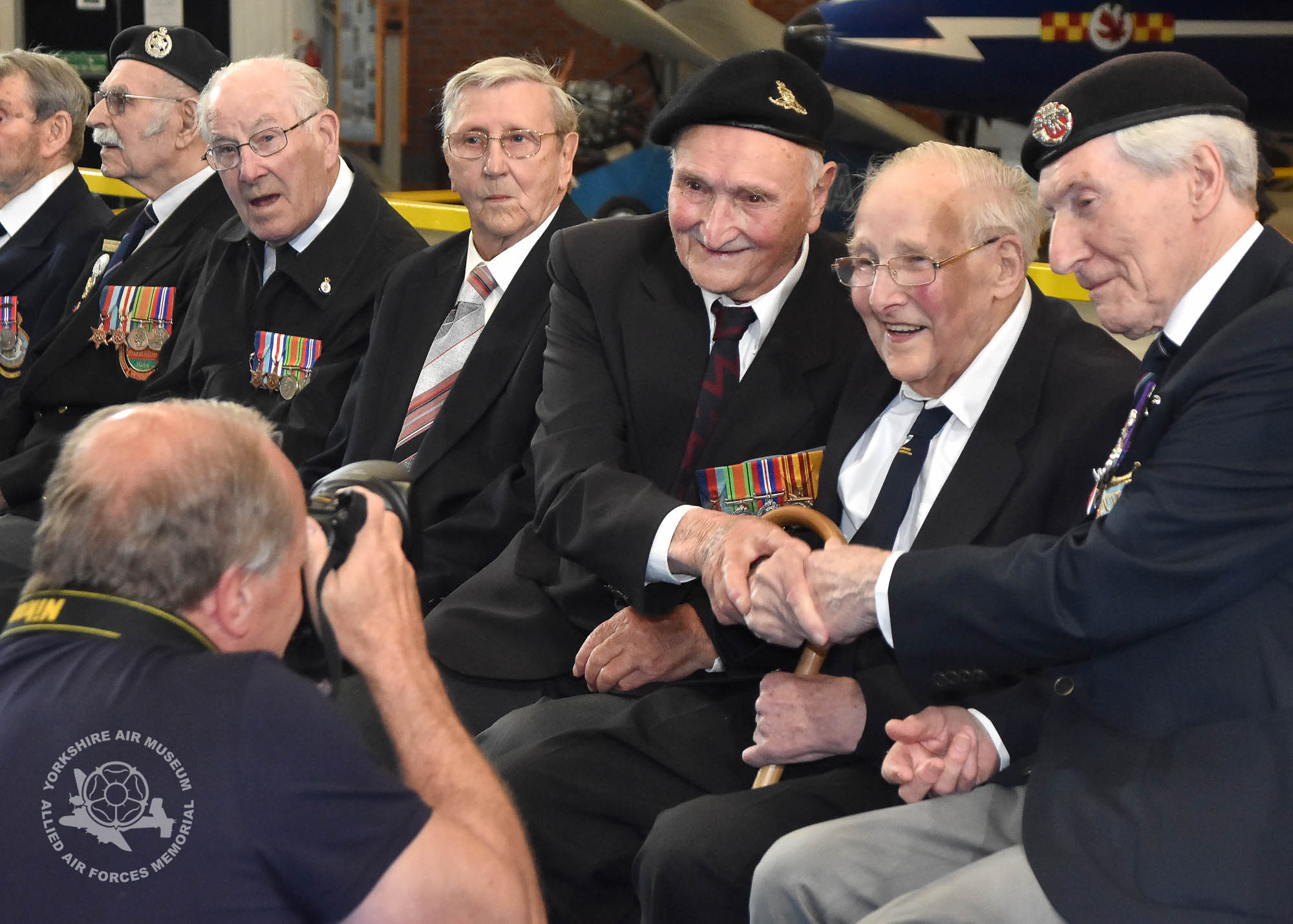
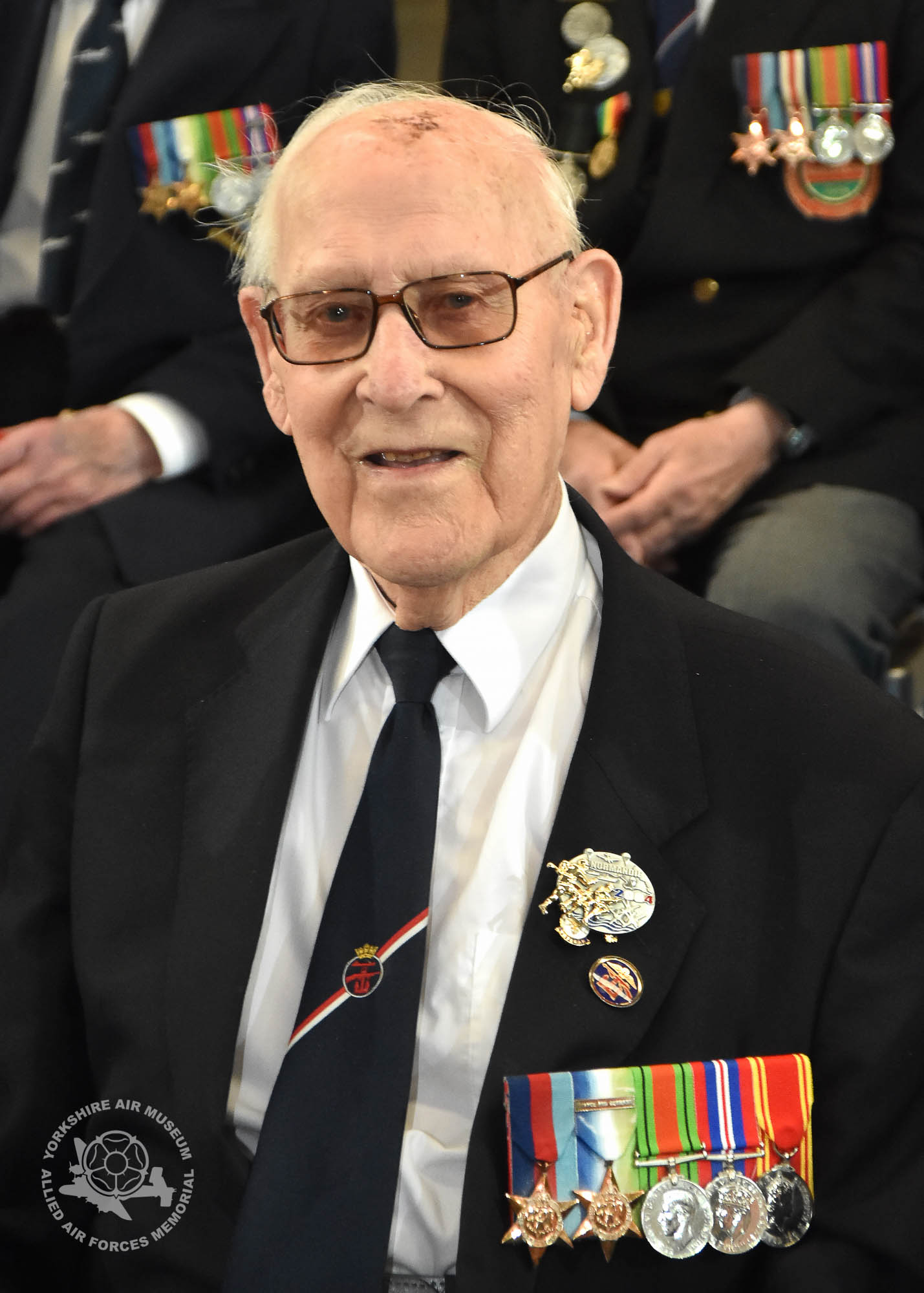
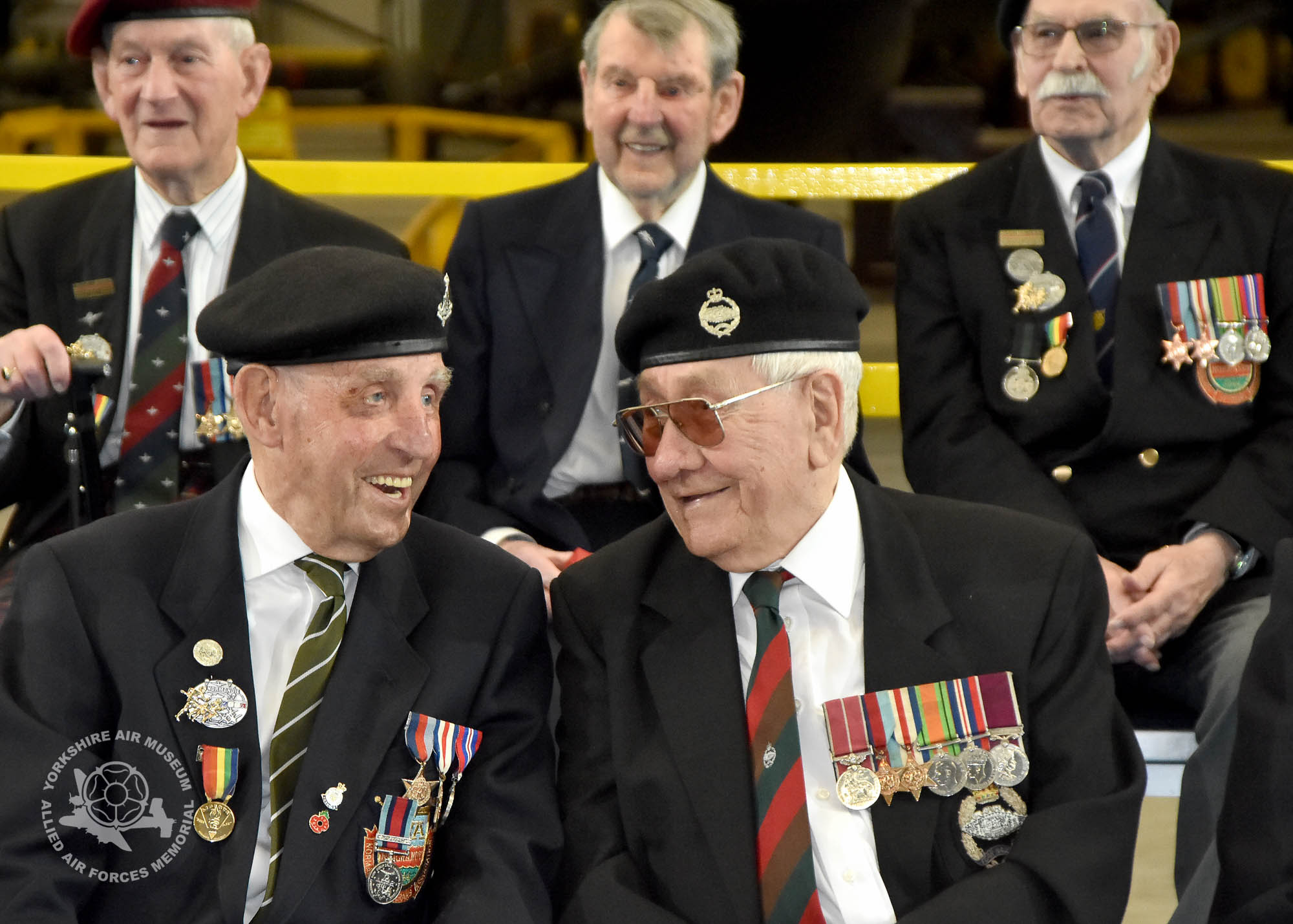
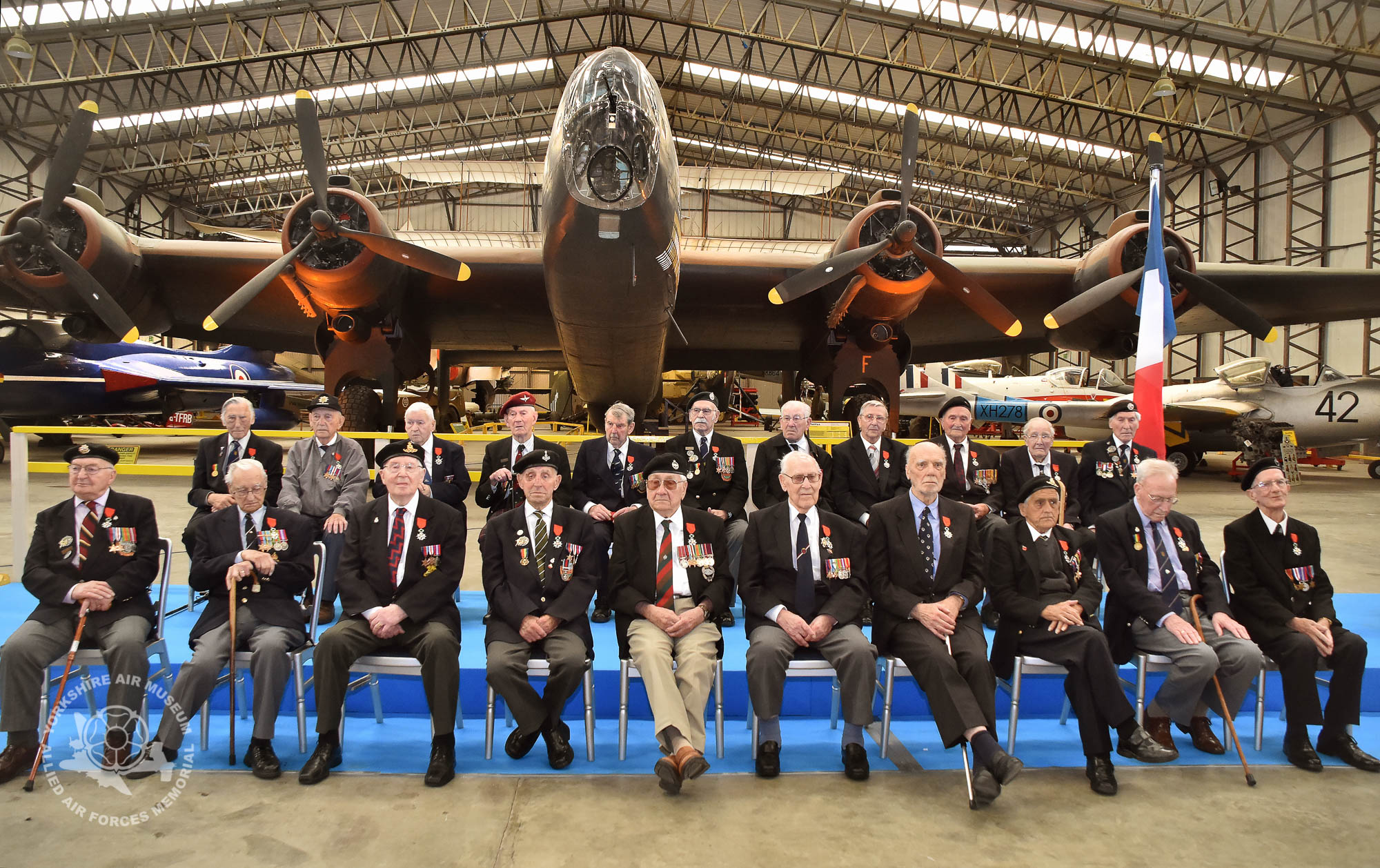
back from left, Horace Hodgson, George Hubert Hollings, Kenneth Alfred Johnson, James Matthew Johnston, Robert Mathieson, Ernest Naylor, Harry Ramsey, Bernard John Richardson, Willie Riley and Kenneth William Smith, all who recieved the medal from Colonel Bruno Cunat, French Liasion Officer to the Ministry of Defence. Picture David Harrison/ Yorkshire Air Museum.

back from left, Horace Hodgson, George Hubert Hollings, Kenneth Alfred Johnson, James Matthew Johnston, Robert Mathieson, Ernest Naylor, Harry Ramsey, Bernard John Richardson, Willie Riley and Kenneth William Smith, all who recieved the medal from Colonel Bruno Cunat, French Liasion Officer to the Ministry of Defence. Picture David Harrison/ Yorkshire Air Museum.

back from left, Horace Hodgson, George Hubert Hollings, Kenneth Alfred Johnson, James Matthew Johnston, Robert Mathieson, Ernest Naylor, Harry Ramsey, Bernard John Richardson, Willie Riley and Kenneth William Smith, all who recieved the medal from Colonel Bruno Cunat, French Liasion Officer to the Ministry of Defence. Picture David Harrison/ Yorkshire Air Museum.

(Flying Officer (Pilot) RAF, on 6th June 44 flew to Guernsey to see if British troops had landed, hit by flak which damaged the wings and fuselage. The Germans were still there. Limped back to the UK.)

(Flying Officer (Pilot) RAF, on 6th June 44 flew to Guernsey to see if British troops had landed, hit by flak which damaged the wings and fuselage. The Germans were still there. Limped back to the UK.)
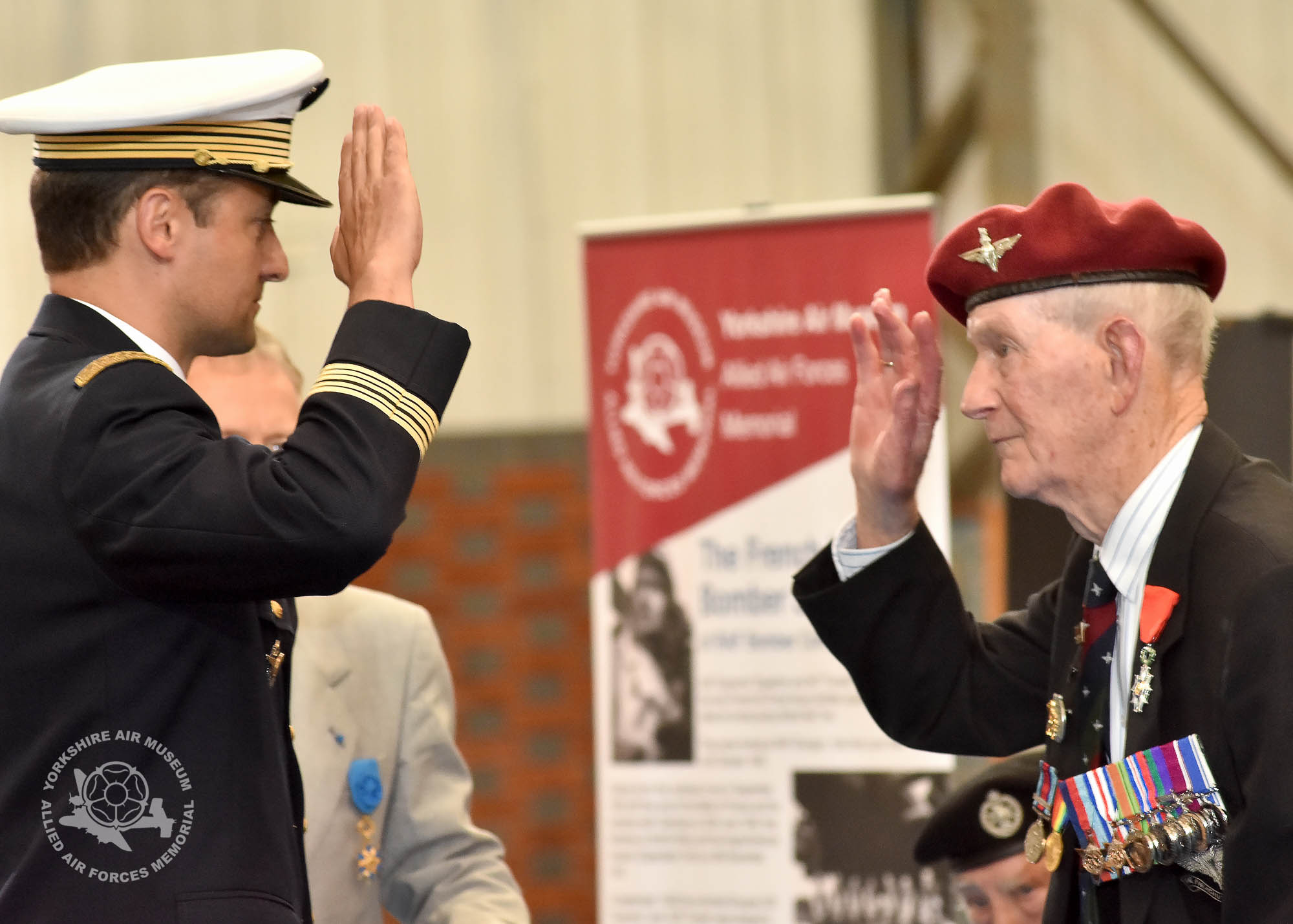
(Corporal 22 Independant Pathfinder Company dropped in advance of main body of 6th Airbourne Division during night of 5-6th June 44 at Ranville).
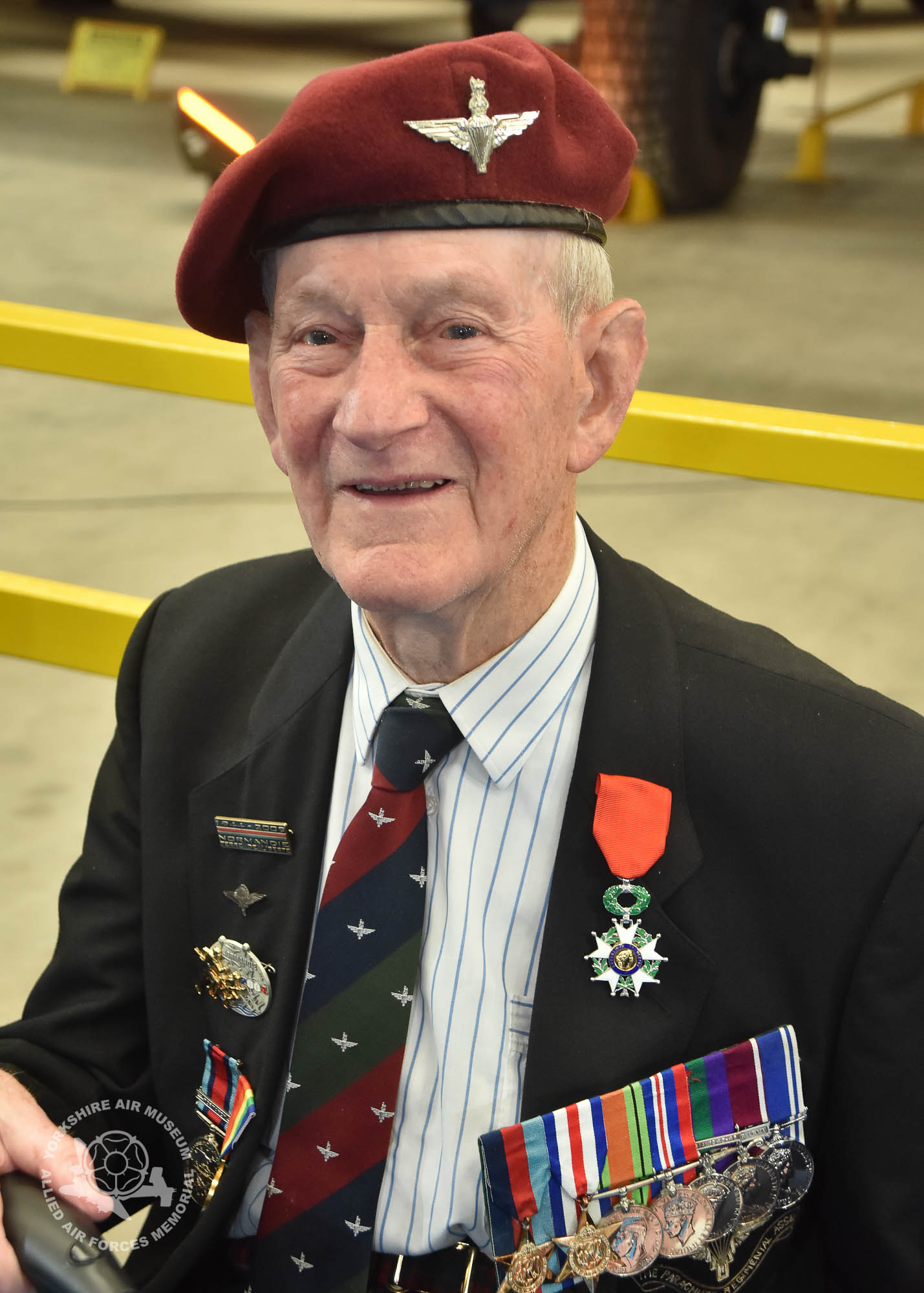
(Corporal 22 Independant Pathfinder Company dropped in advance of main body of 6th Airbourne Division during night of 5-6th June 44 at Ranville).
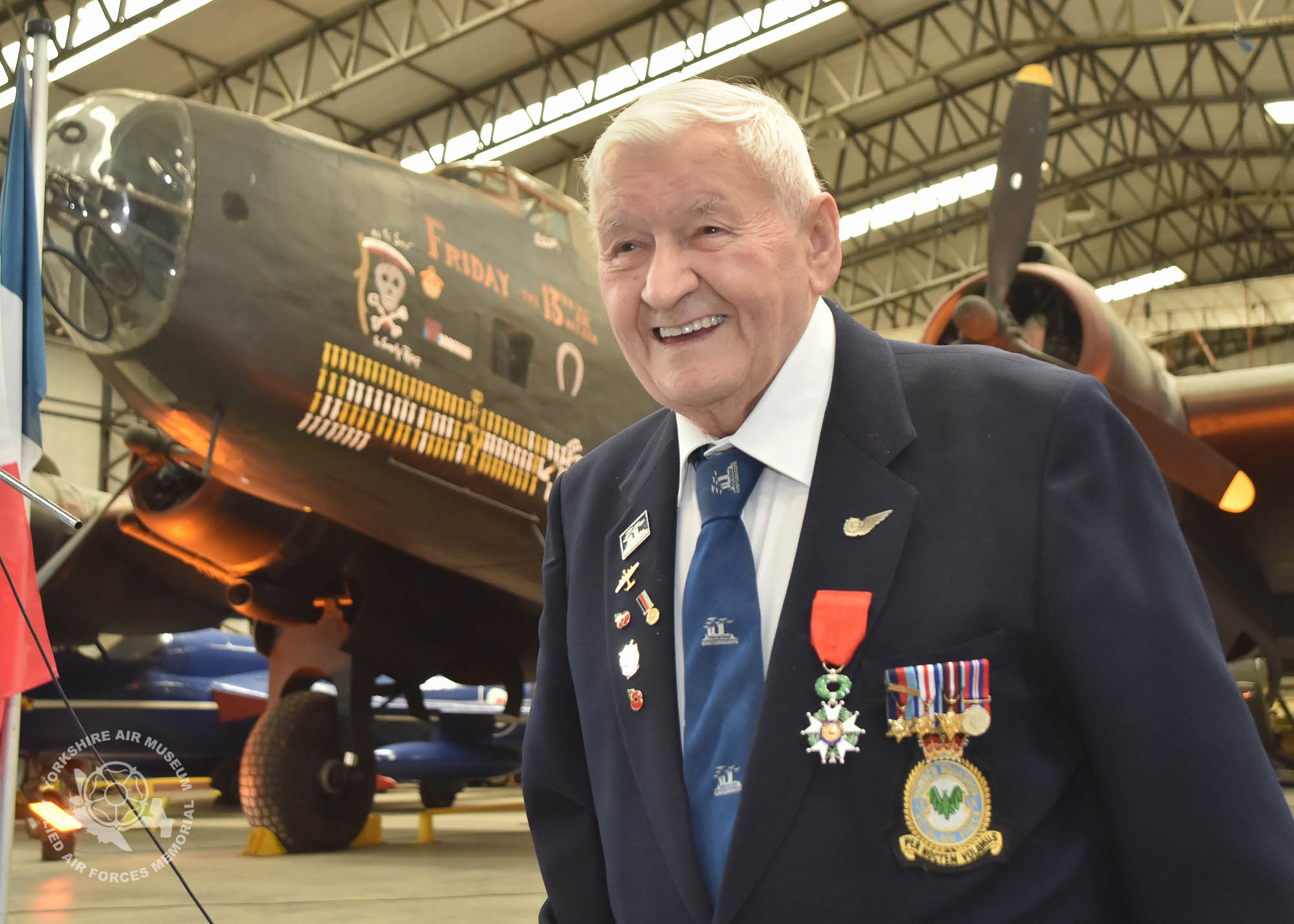
(Warrant Officer 61 Sqn Bomber Command, RAF. Served as a Mid Upper Gunner in 61 Sqn from Mid June until November 1944 in support of Allied Landings and the advance through France towards Belgium attackign numerous targets in Normandy and beyond including V1 sites and German military targets.)
(Warrant Officer 61 Sqn Bomber Command, RAF. Served as a Mid Upper Gunner in 61 Sqn from Mid June until November 1944 in support of Allied Landings and the advance through France towards Belgium attackign numerous targets in Normandy and beyond including V1 sites and German military targets.)
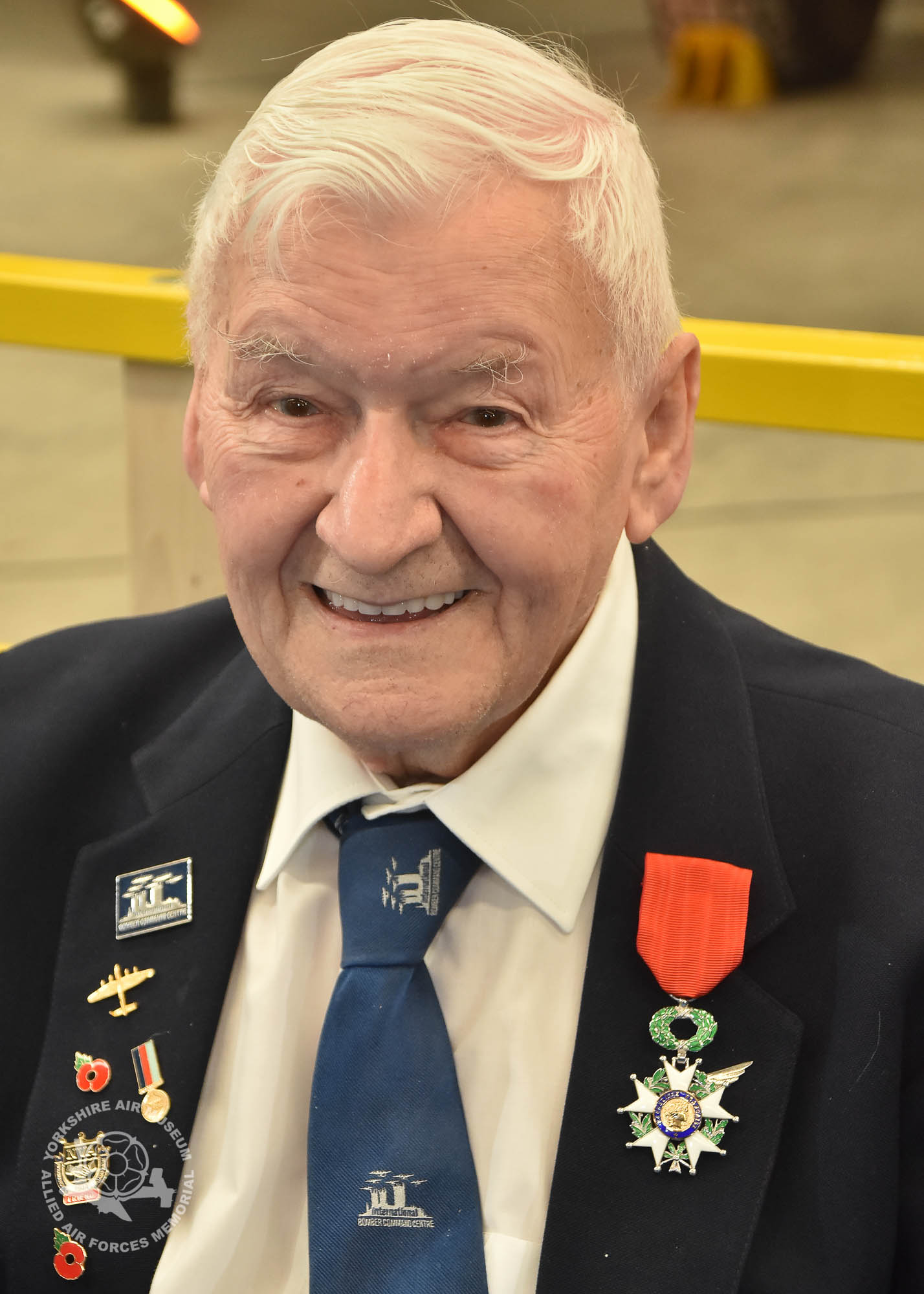
(Warrant Officer 61 Sqn Bomber Command, RAF. Served as a Mid Upper Gunner in 61 Sqn from Mid June until November 1944 in support of Allied Landings and the advance through France towards Belgium attackign numerous targets in Normandy and beyond including V1 sites and German military targets.)
(Private, Army landed D-Day +4 on beach at Quistreham with 1st Batallion Tyne Side Scottish. Transferred to 5th Batallion Black Watch September 1944 for rest of campaign.)
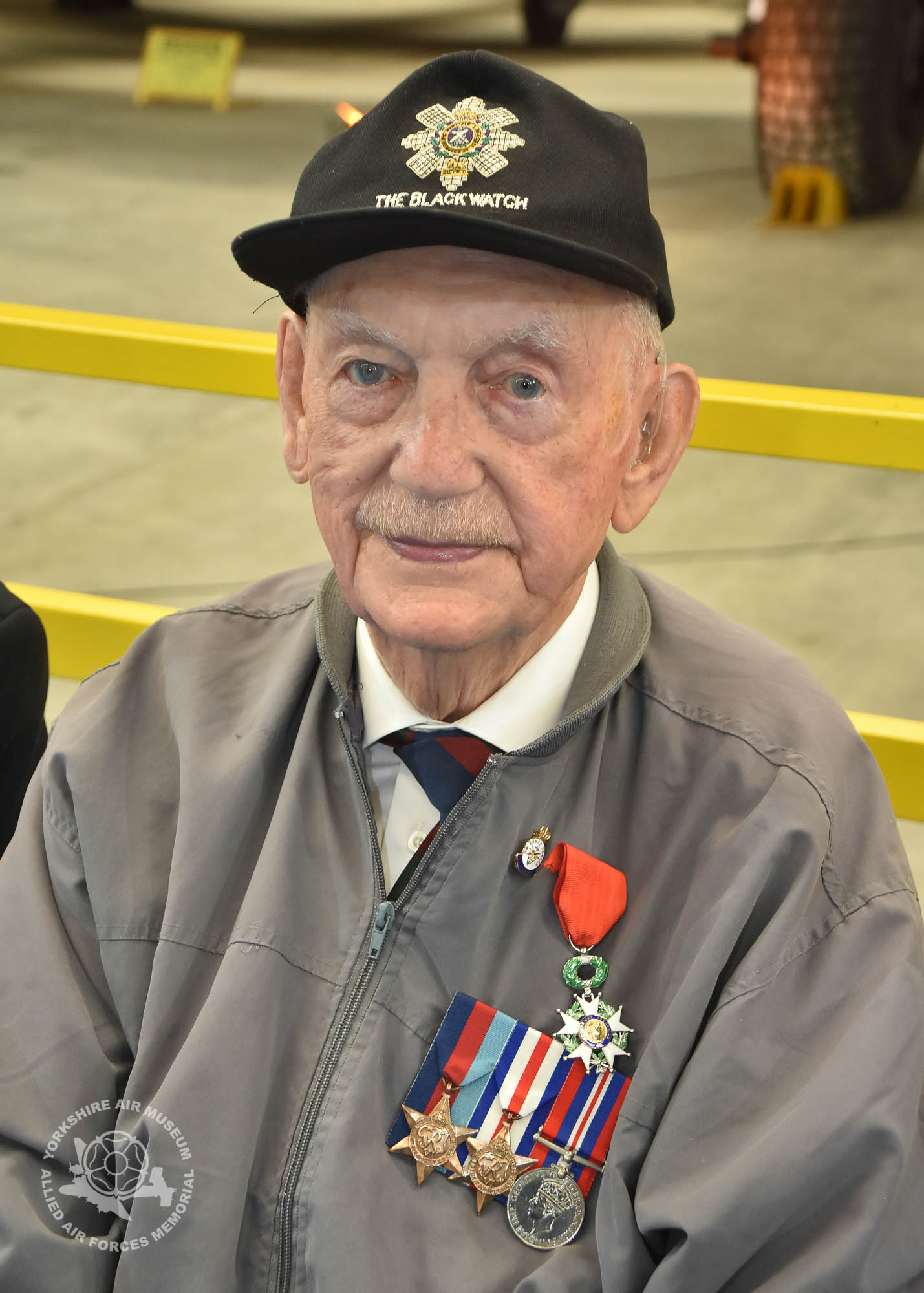
(Private, Army landed D-Day +4 on beach at Quistreham with 1st Batallion Tyne Side Scottish. Transferred to 5th Batallion Black Watch September 1944 for rest of campaign.)
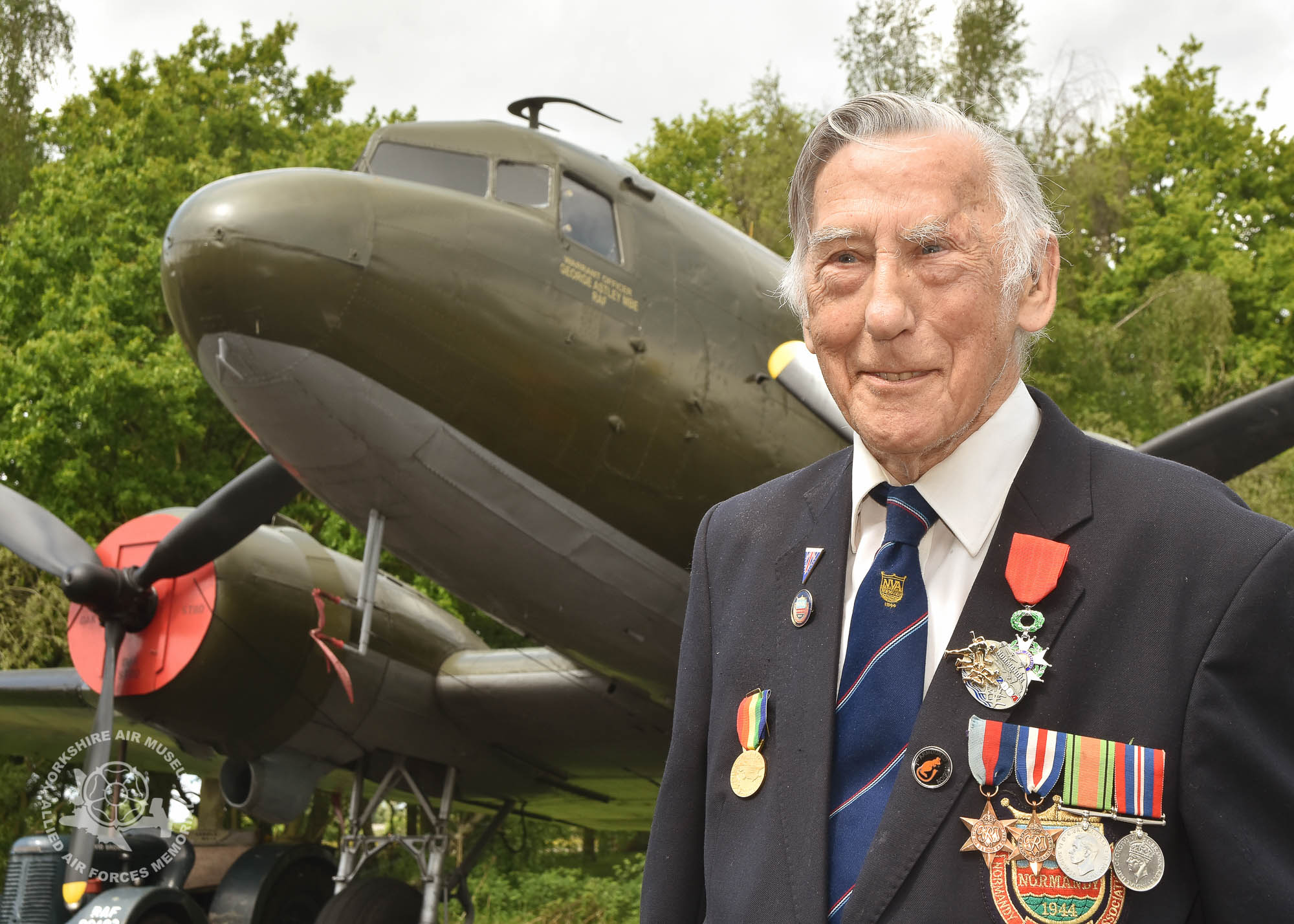
(Rifleman, Rifle Brigade. Landed Gold Beach and on to Bayeux, Caen, Falaise to the River Seine where he was wounded in the head)
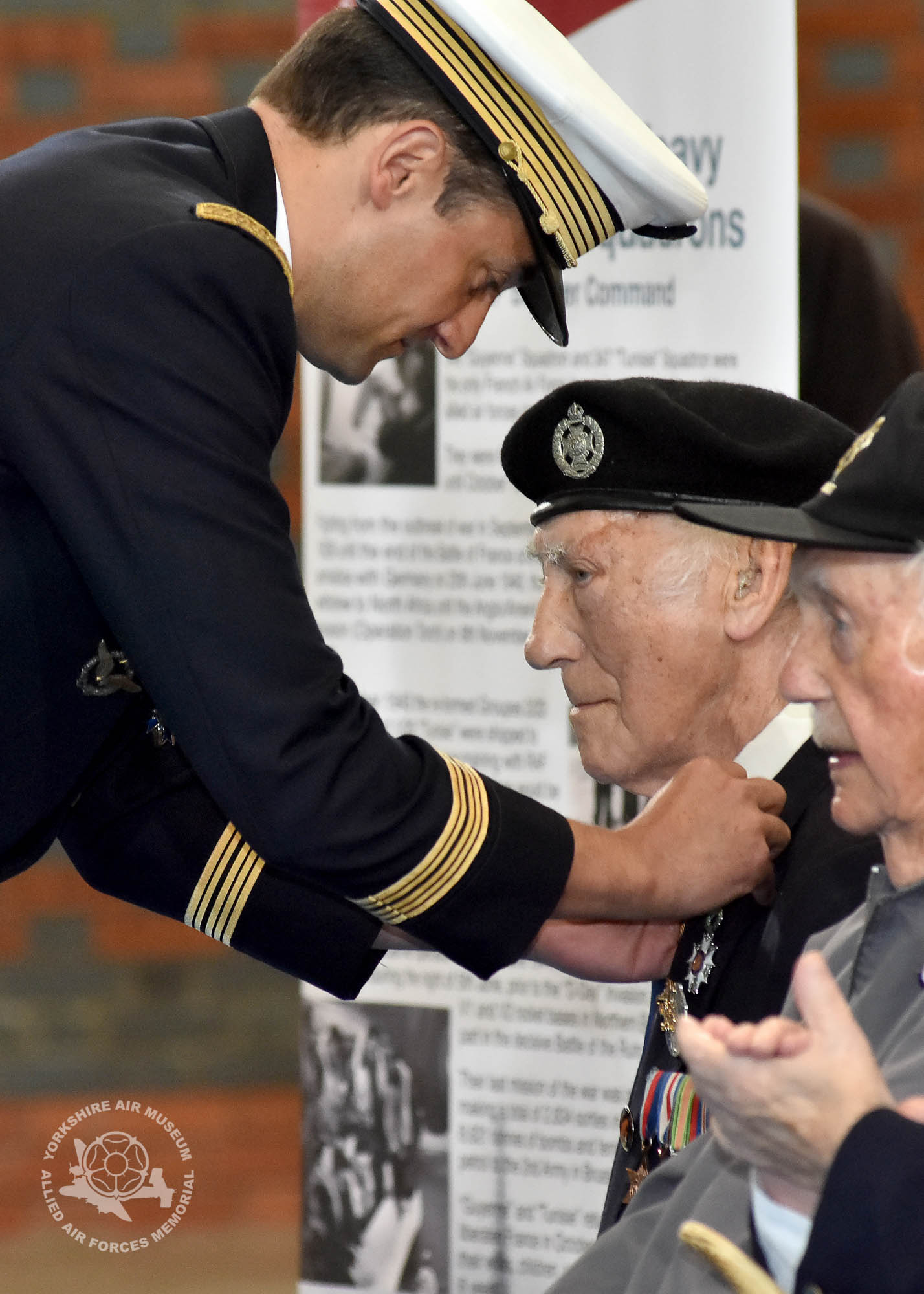
(Rifleman, Rifle Brigade. Landed Gold Beach and on to Bayeux, Caen, Falaise to the River Seine where he was wounded in the head)
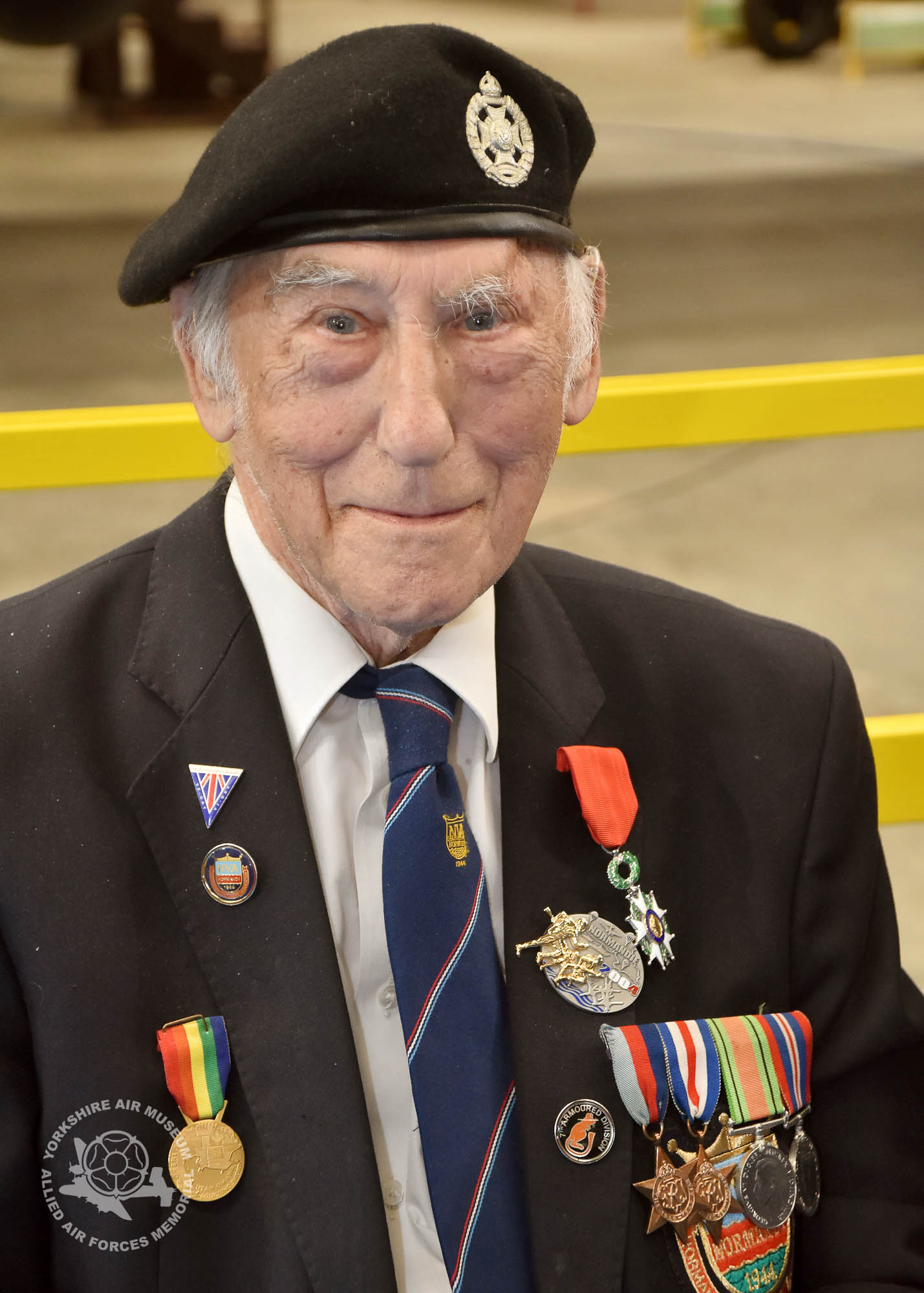
(Rifleman, Rifle Brigade. Landed Gold Beach and on to Bayeux, Caen, Falaise to the River Seine where he was wounded in the head)
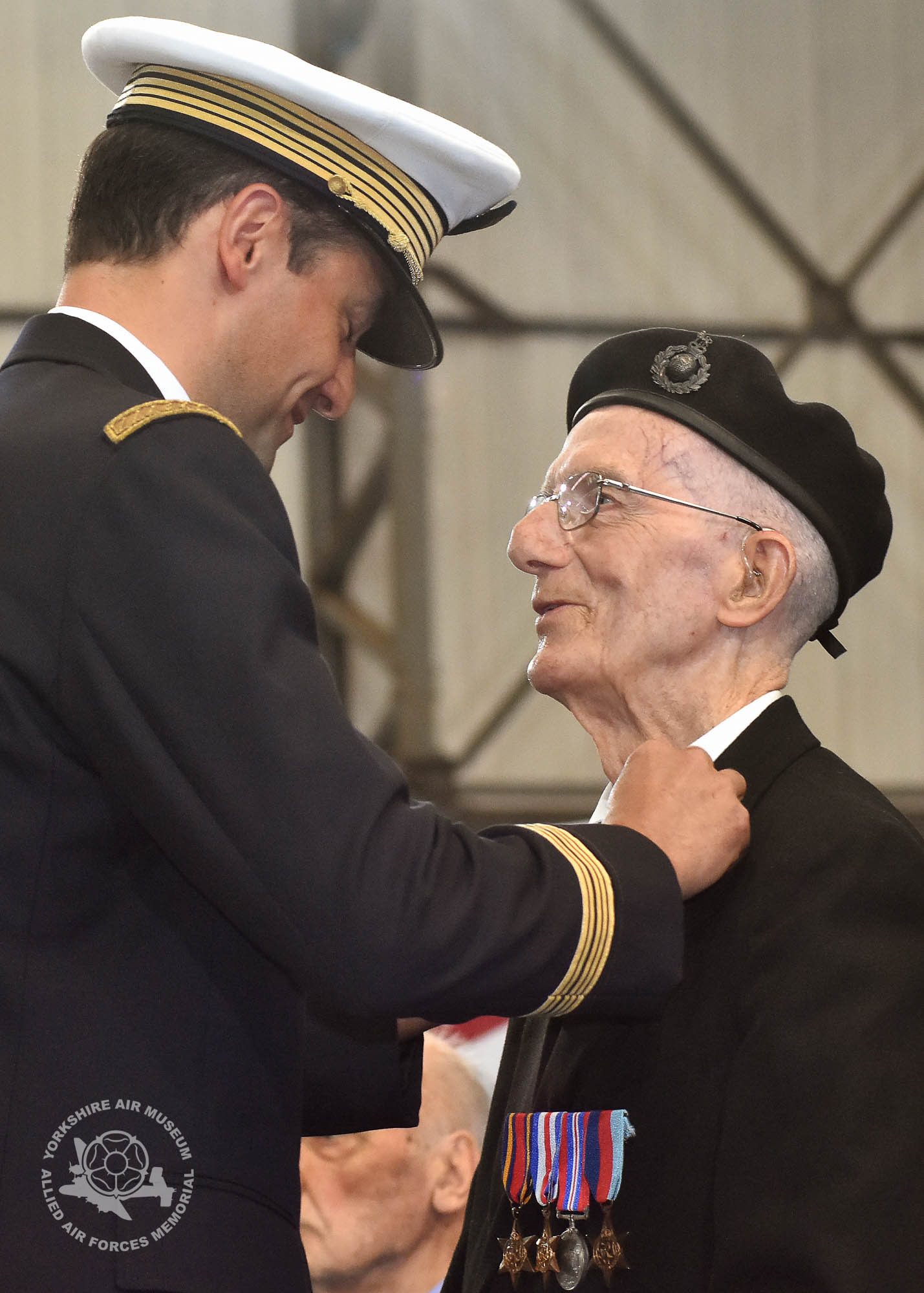
(Corporal, Royal MArines. Coxswain on landing craft at Juno beach. Made several crossing until the landing craft was damaged. Remained in France for 10 days until returning to the UK)
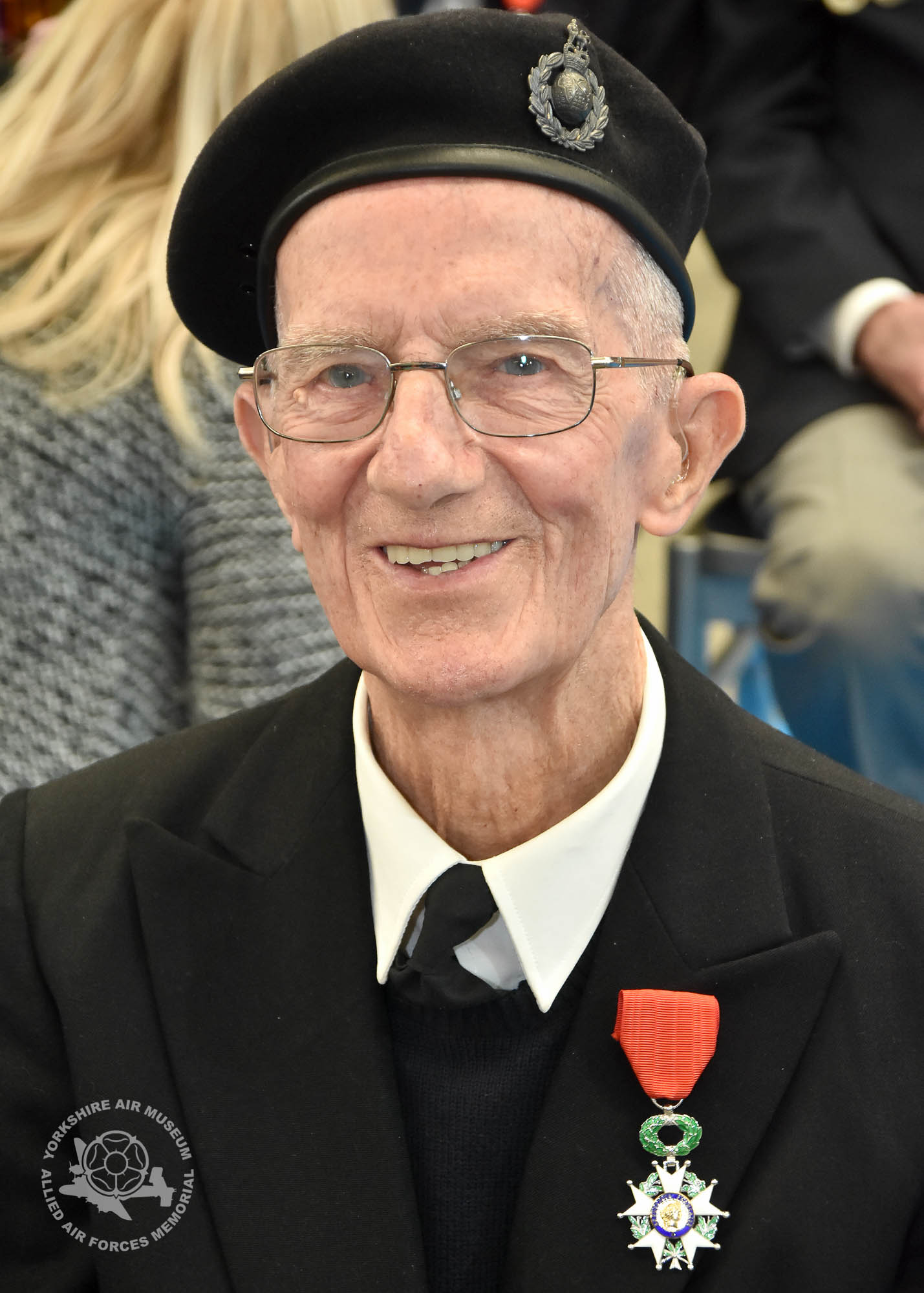
(Corporal, Royal MArines. Coxswain on landing craft at Juno beach. Made several crossing until the landing craft was damaged. Remained in France for 10 days until returning to the UK)
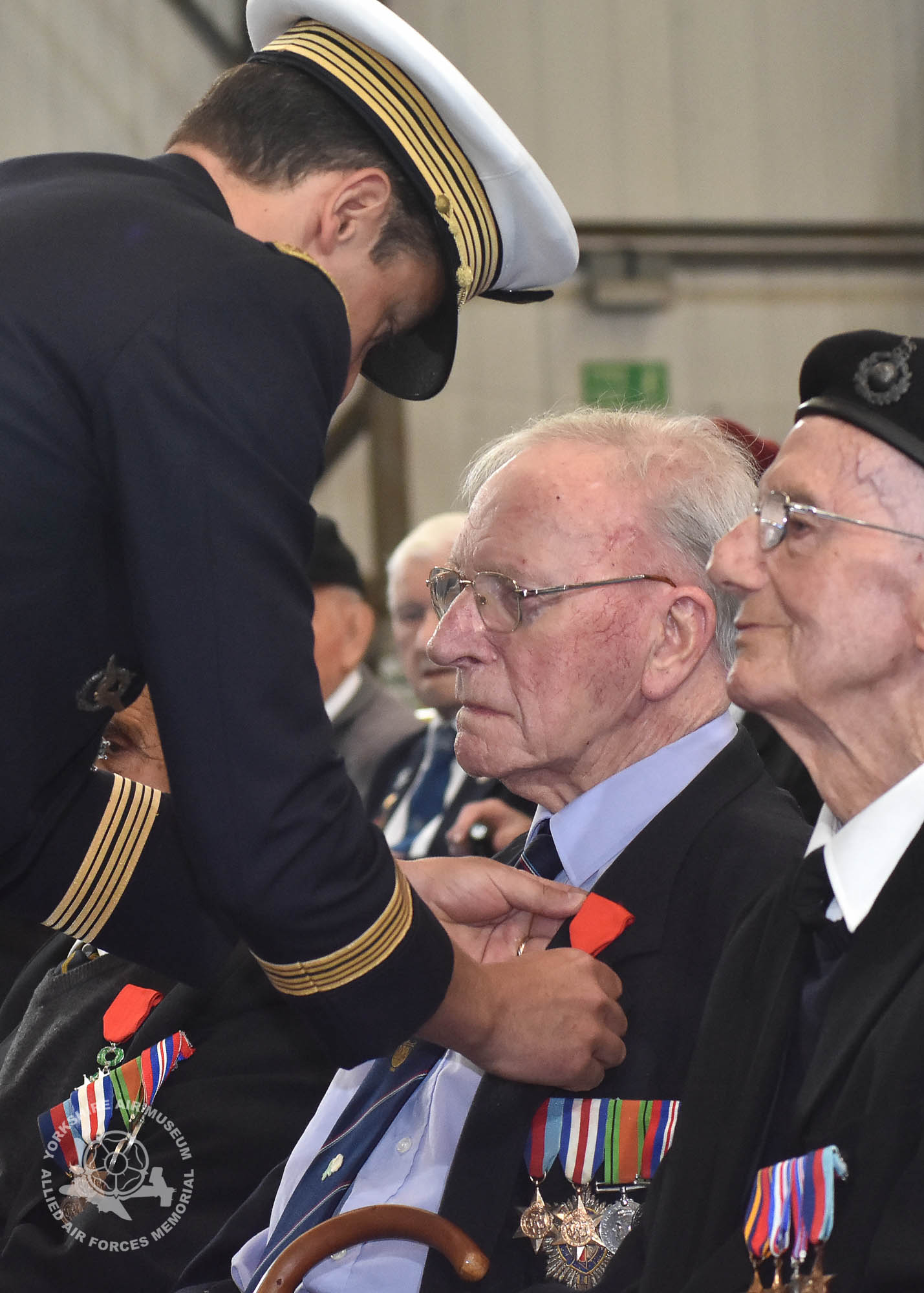
(Guardsman, Coldstream Guards. Gunner in Sherman Tank, 2nd Battalion Coldstreasm Guards, Guards Armoured Division. Landed Normandy 30 June, later wounded in action, recuperated in UK before returning to his battalion.)
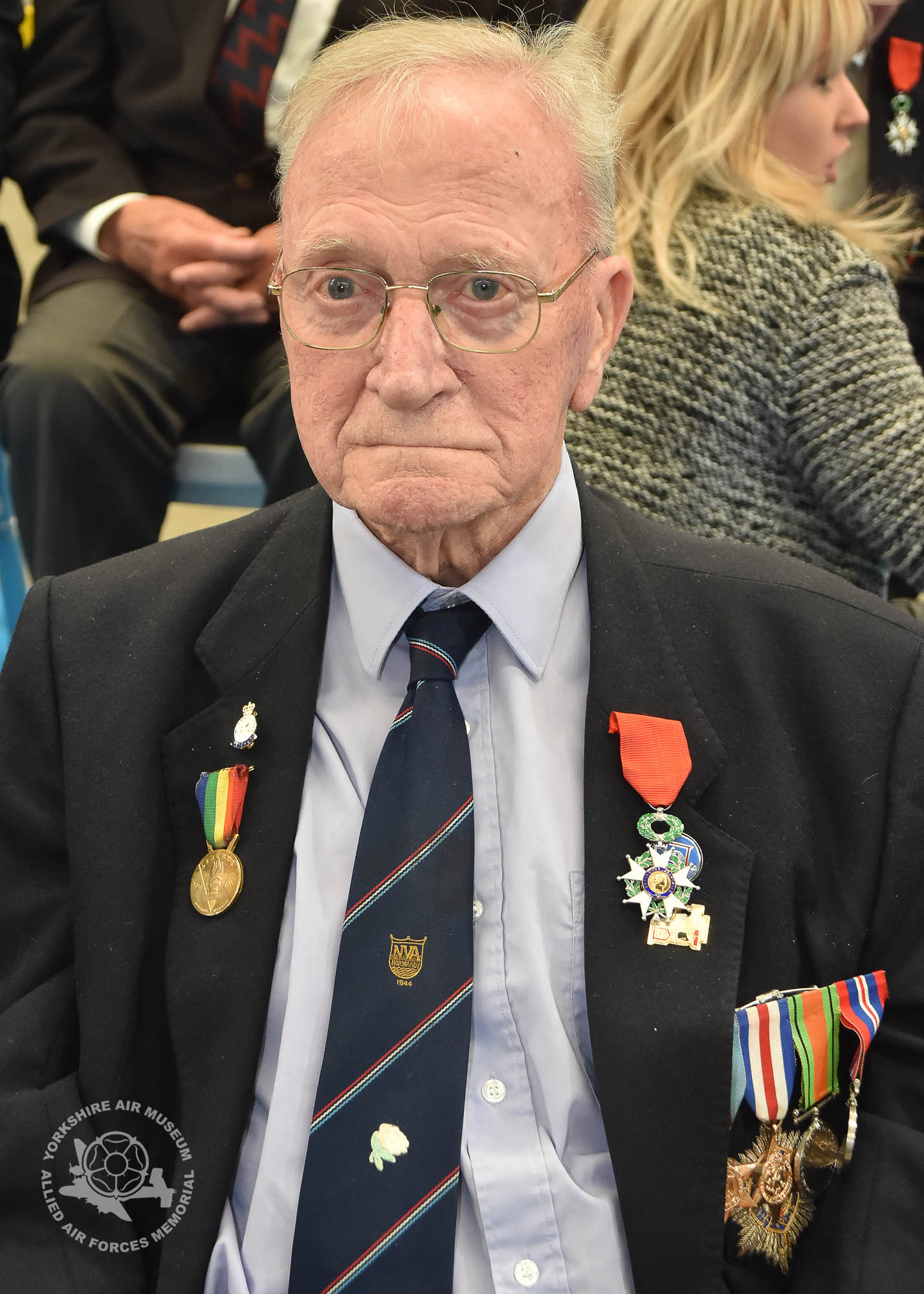
(Guardsman, Coldstream Guards. Gunner in Sherman Tank, 2nd Battalion Coldstreasm Guards, Guards Armoured Division. Landed Normandy 30 June, later wounded in action, recuperated in UK before returning to his battalion.)
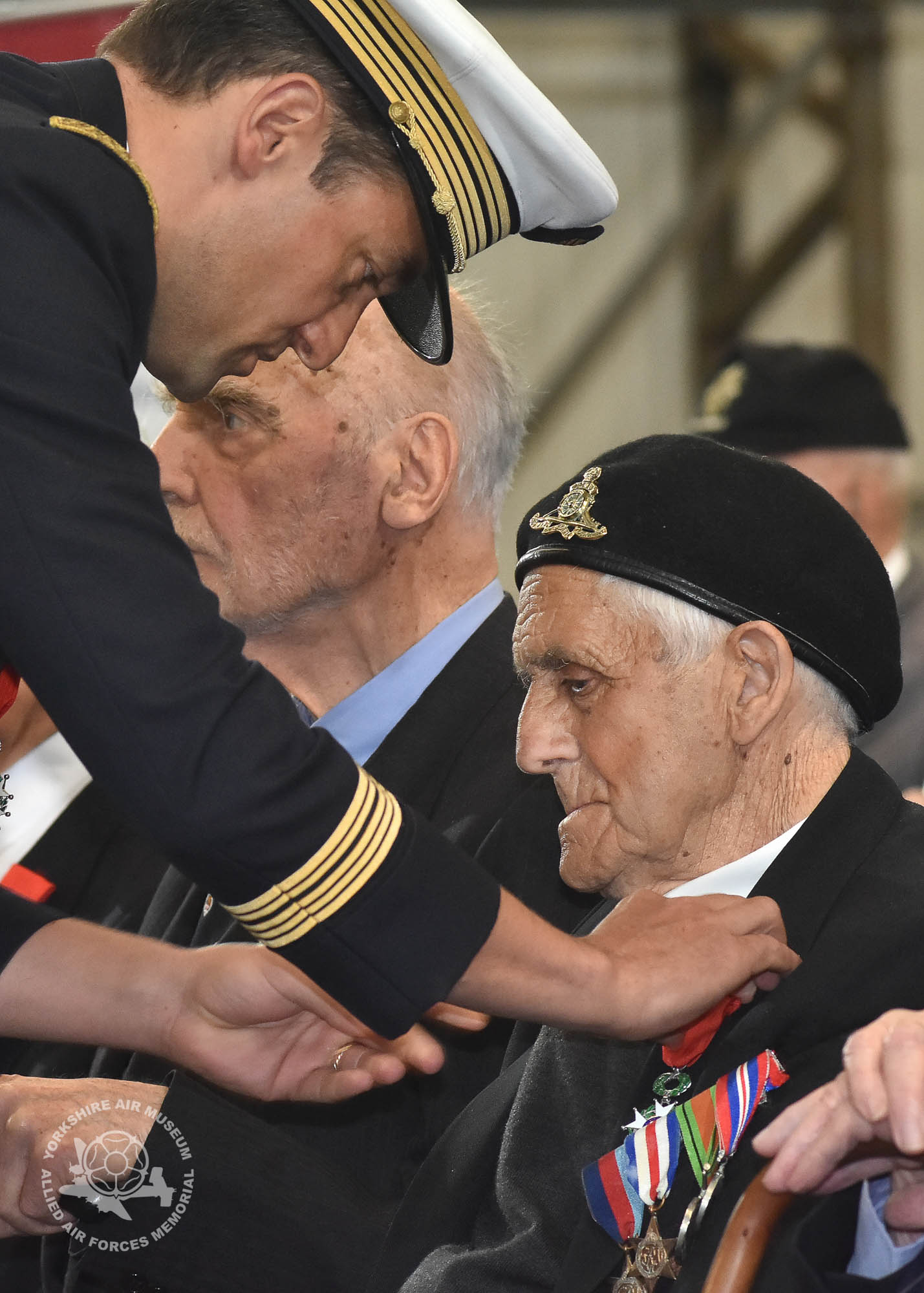
(Gunner, Royal Artillery, Army, Landed on Gold beach on 09.06.44 serving with Royal Artillery under Major Edward Heath who later became Prime Minister. Part of a Line Reinforcing unit. Served continuously from advance to breakout at the Rhine crossing. Advanced on Dortmund, then Hamelin, later serving as a Prisoner Of War guard outside Hanover)
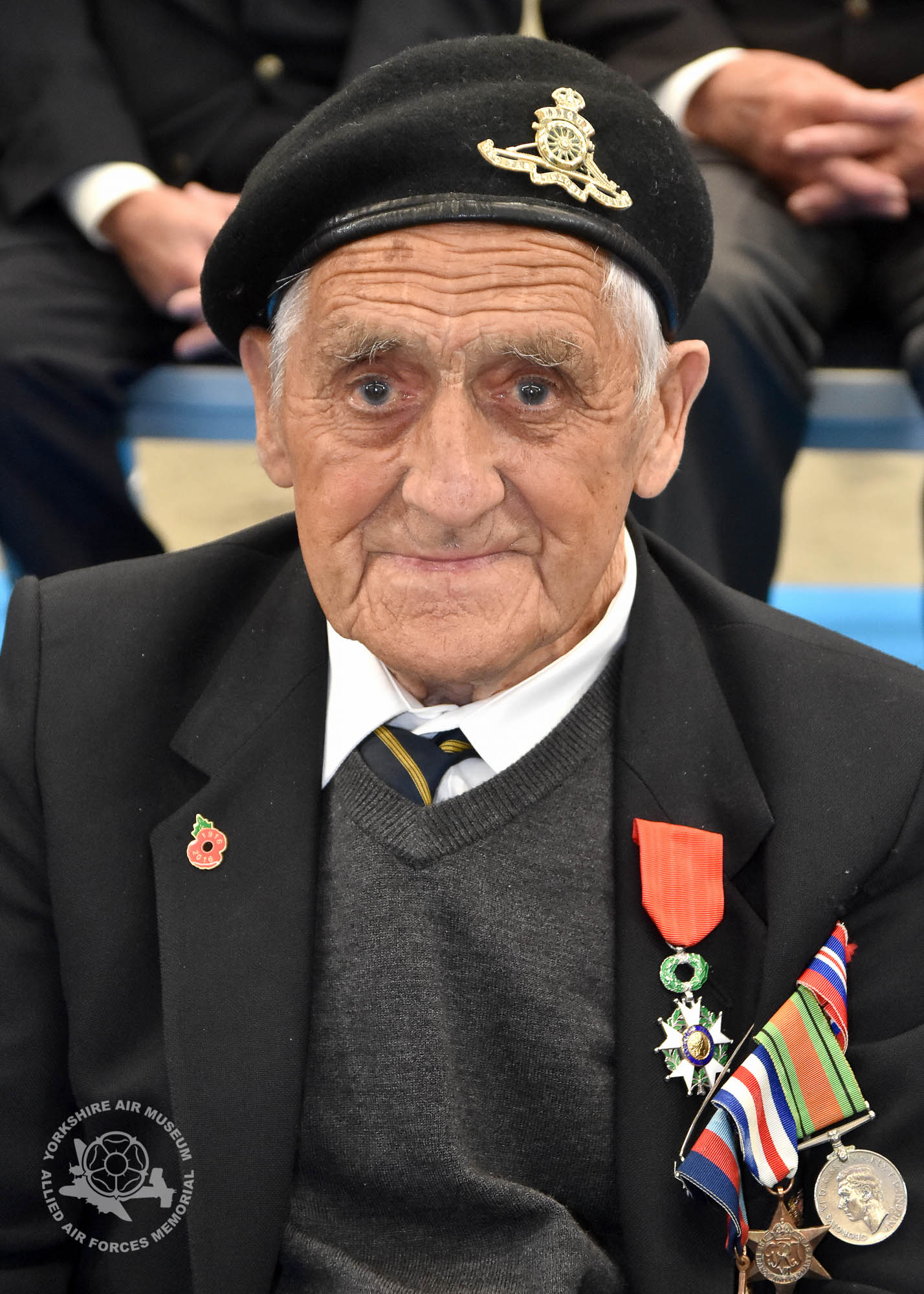
(Gunner, Royal Artillery, Army, Landed on Gold beach on 09.06.44 serving with Royal Artillery under Major Edward Heath who later became Prime Minister. Part of a Line Reinforcing unit. Served continuously from advance to breakout at the Rhine crossing. Advanced on Dortmund, then Hamelin, later serving as a Prisoner Of War guard outside Hanover)
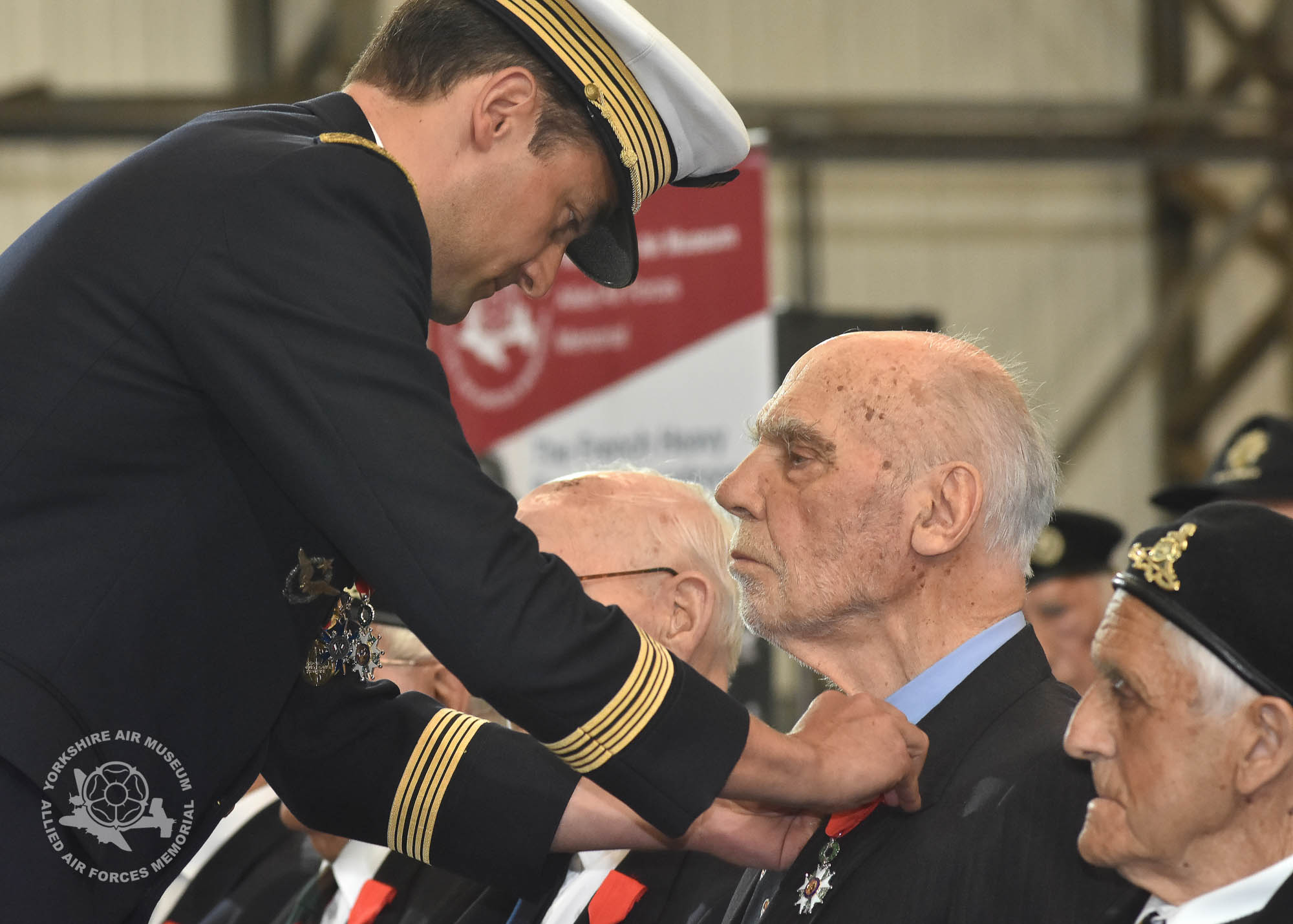
(Midshopman, Royal Navy, Served on a tank landing craft, transporting US personnel and equipment from England to the invasion beaches, starting D+5 and continuing until the landing craft were no longer required.)
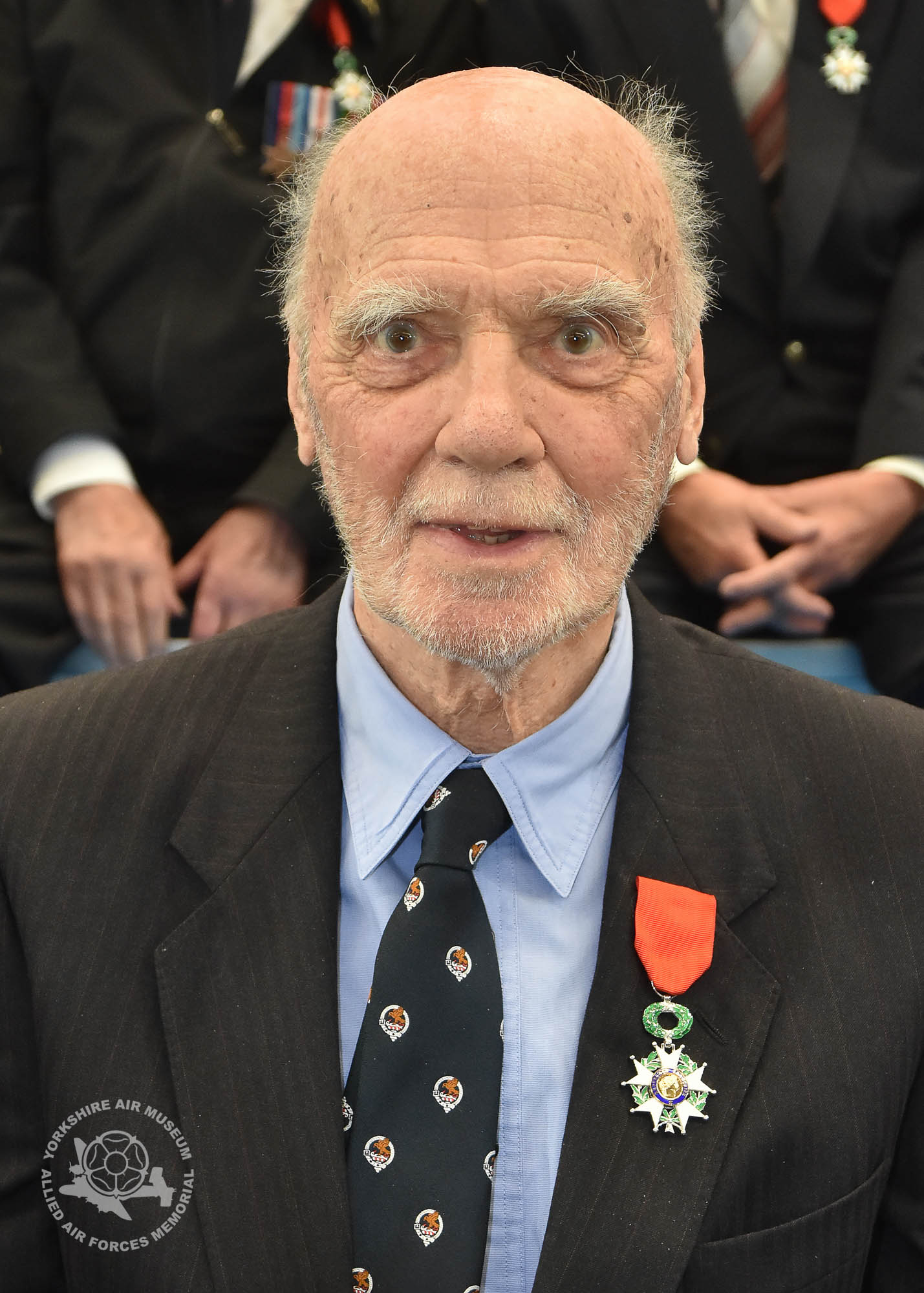
(Midshopman, Royal Navy, Served on a tank landing craft, transporting US personnel and equipment from England to the invasion beaches, starting D+5 and continuing until the landing craft were no longer required.)
(Able Seaman, Royal Navy, Crewman/Oerlikon gunner on Landing Craft Tank 2345. Landed Juno beach 07.30am 6th June)
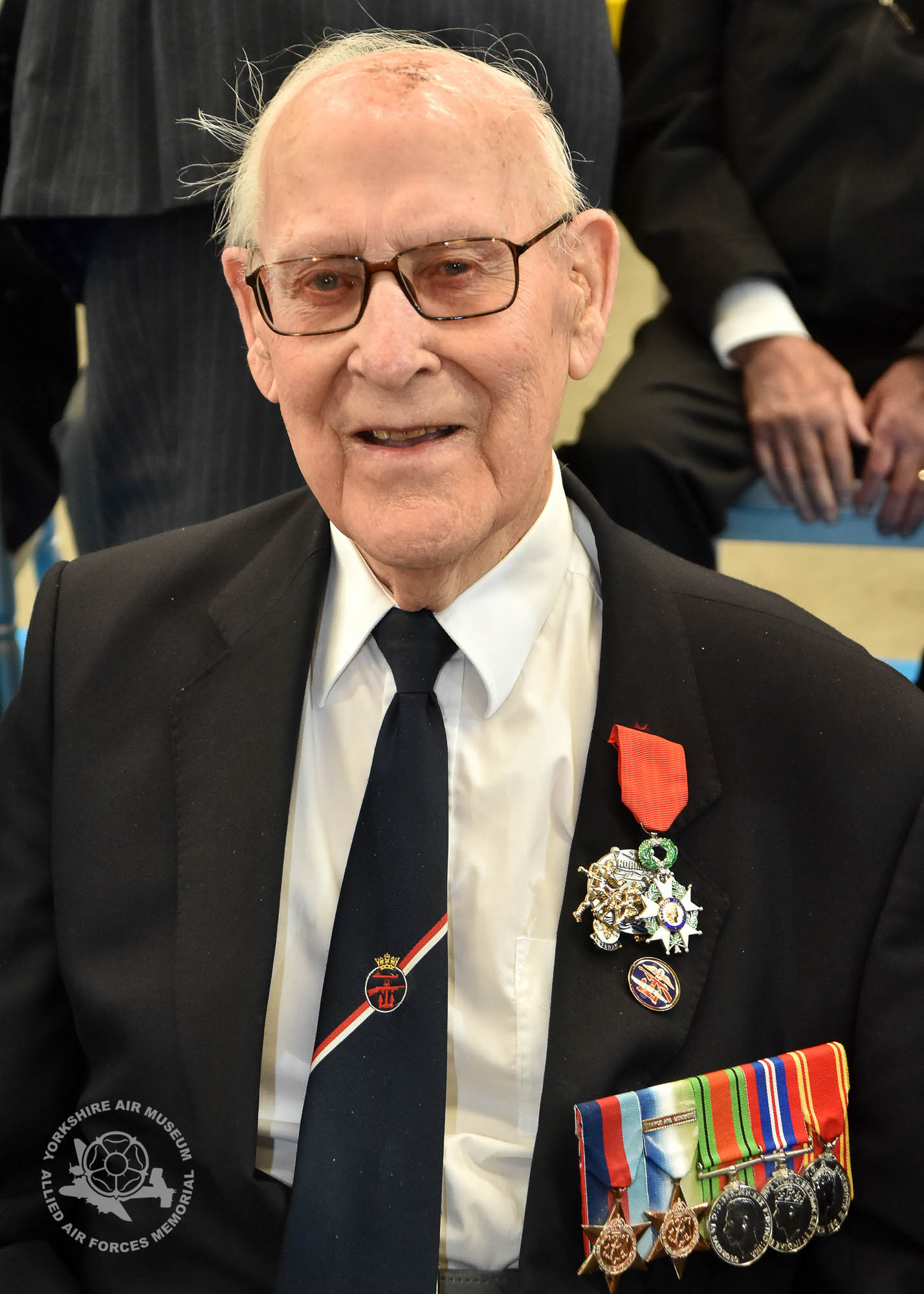
(Able Seaman, Royal Navy, Crewman/Oerlikon gunner on Landing Craft Tank 2345. Landed Juno beach 07.30am 6th June)
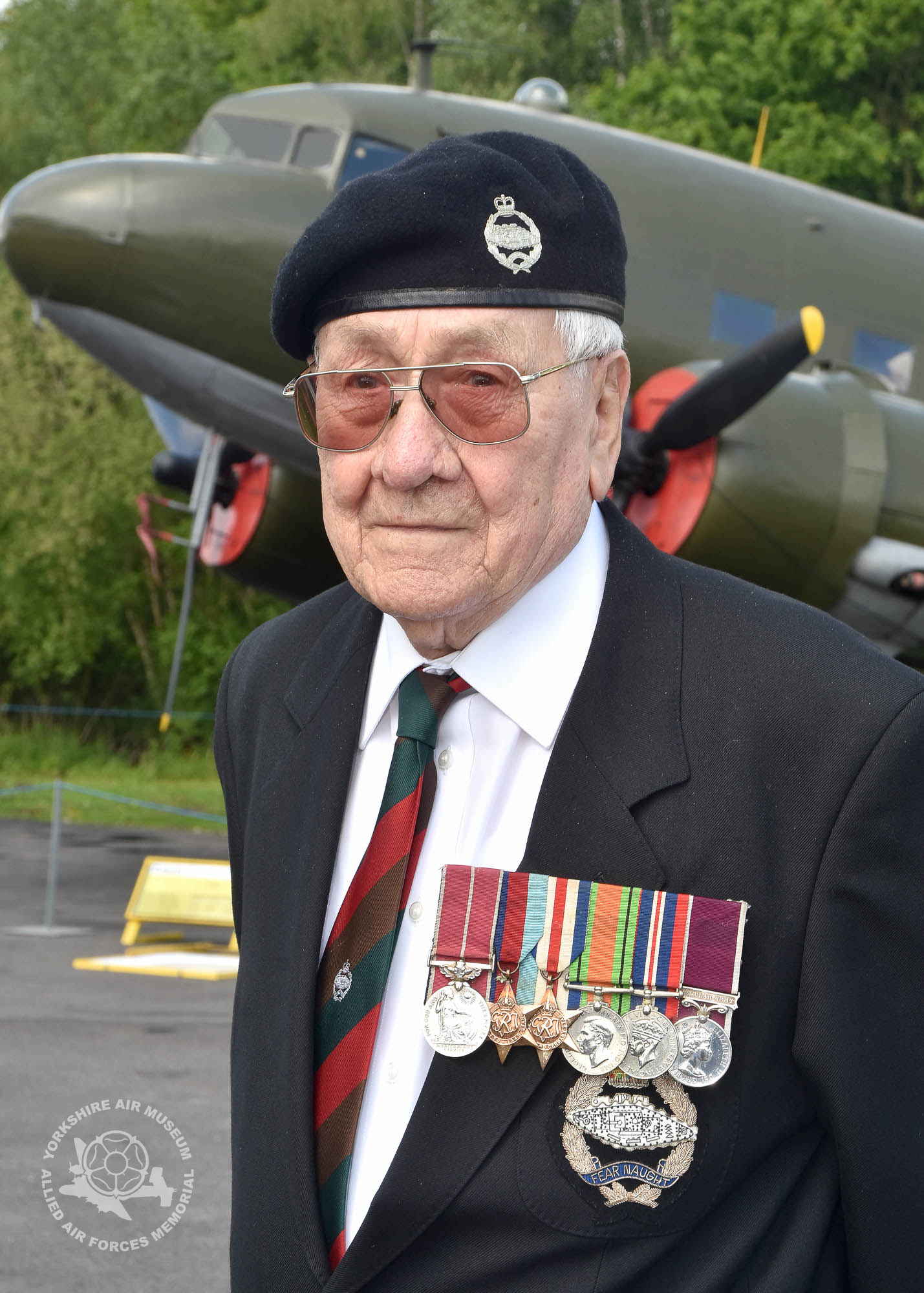
(Driver/Despatch Rider – Royal Army Service Corps, Landed Gold Beach 20 June, served thereafter with Headquarters 12 Corps through campaign in Normandy and onwards.)
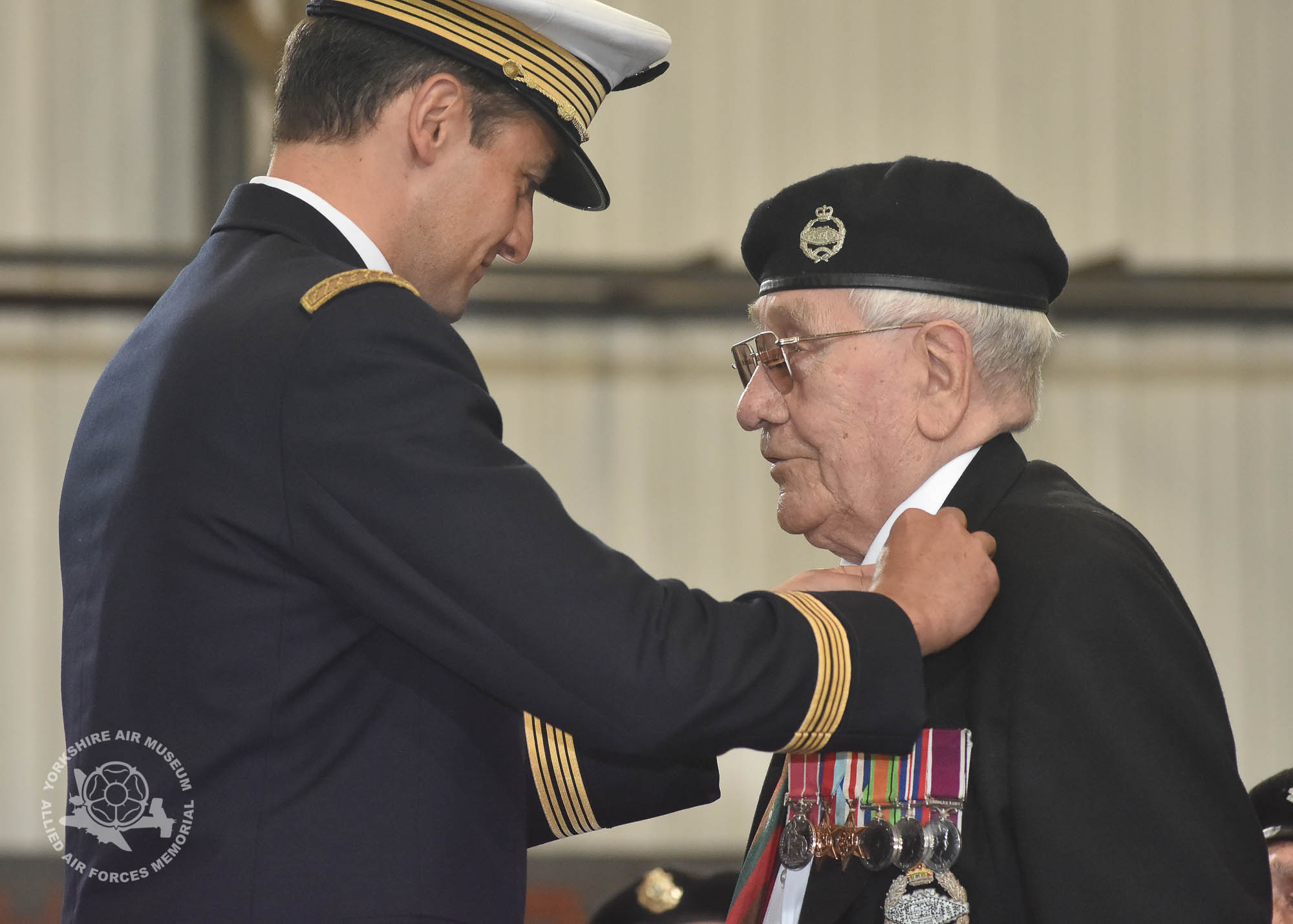
(Driver/Despatch Rider – Royal Army Service Corps, Landed Gold Beach 20 June, served thereafter with Headquarters 12 Corps through campaign in Normandy and onwards.)
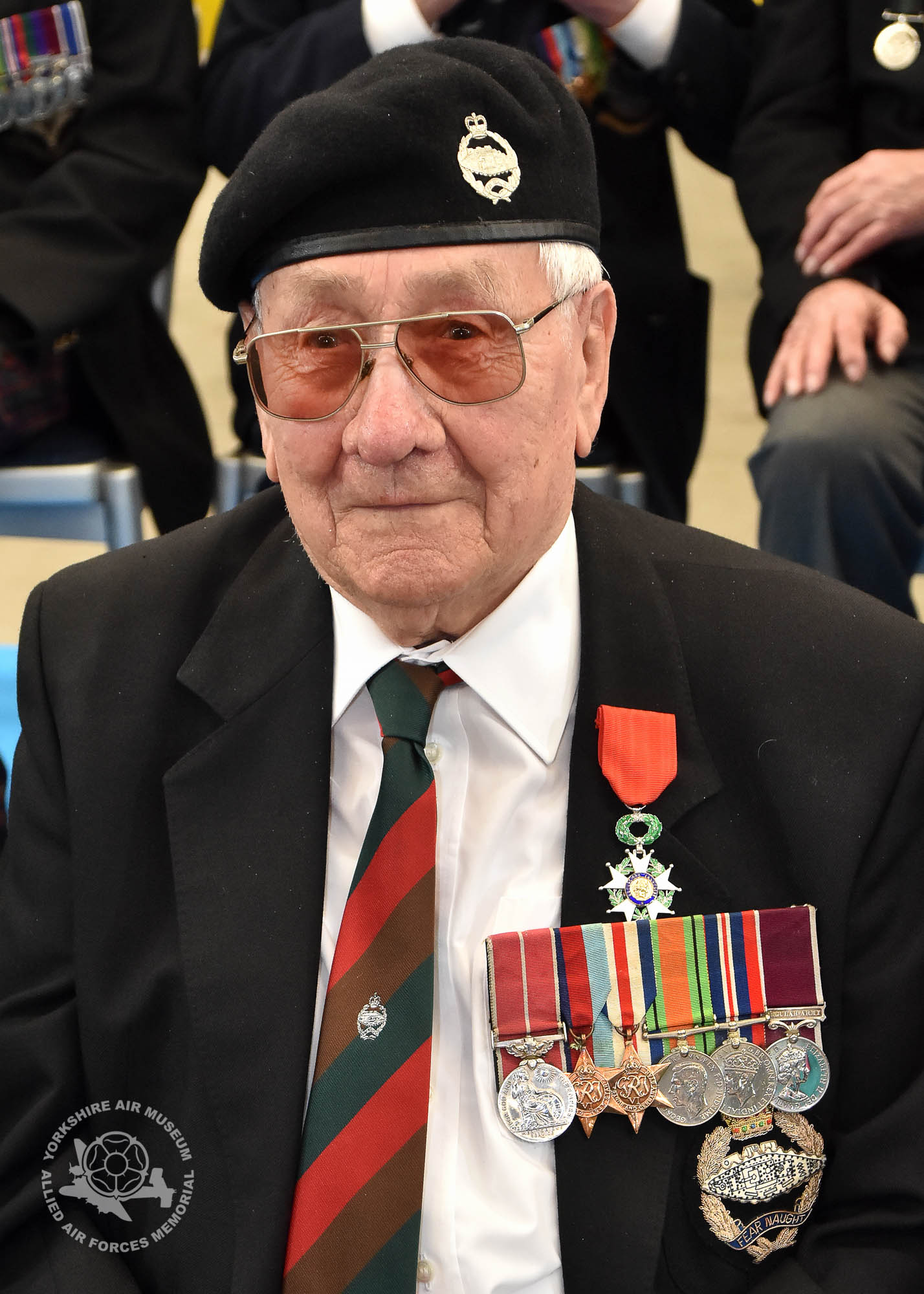
(Driver/Despatch Rider – Royal Army Service Corps, Landed Gold Beach 20 June, served thereafter with Headquarters 12 Corps through campaign in Normandy and onwards.)
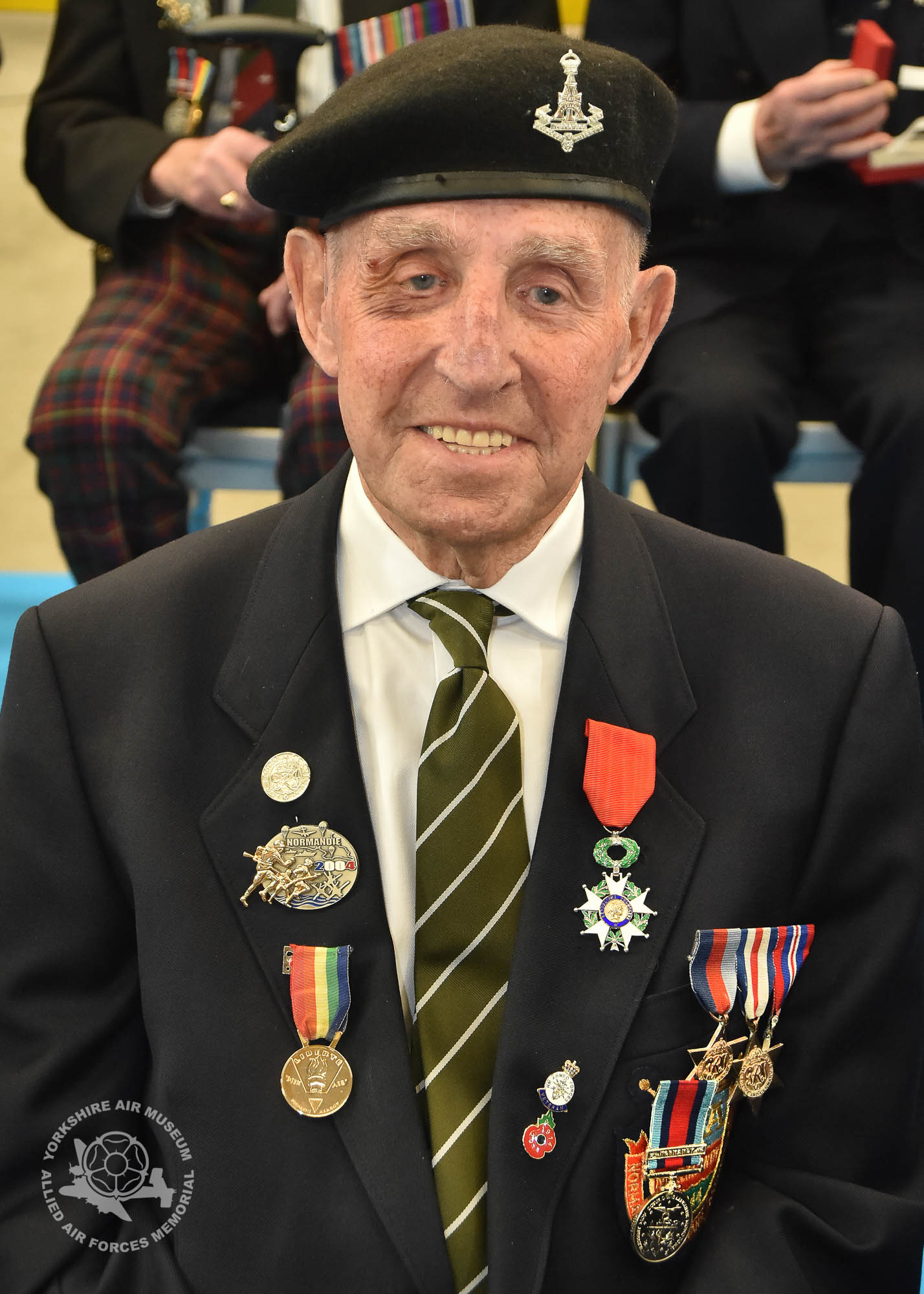
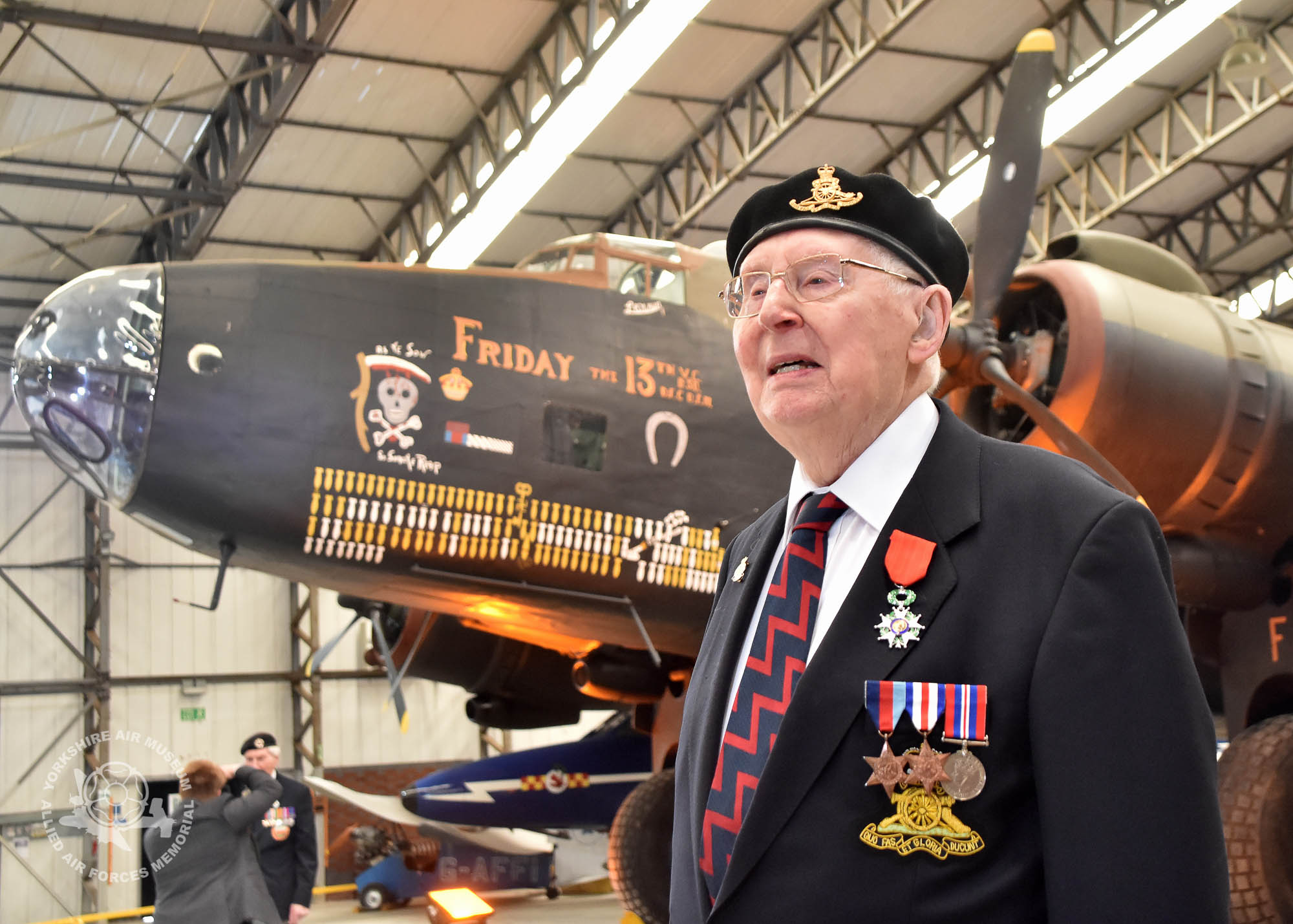
(Warrant Officer RAF. Completed 31 Ops on Lancaster Bombers with 15 Sqn. Between 5th May 44 and 10th July 44 took part in 15 Ops against ‘Fortress Europe’ with targets that included coastal guns, railway tracks and yards, enemy troop concentrations and communications, enemy tank concentrations and flying bomb sites. )

(Warrant Officer RAF. Completed 31 Ops on Lancaster Bombers with 15 Sqn. Between 5th May 44 and 10th July 44 took part in 15 Ops against ‘Fortress Europe’ with targets that included coastal guns, railway tracks and yards, enemy troop concentrations and communications, enemy tank concentrations and flying bomb sites. )

(Corporal 2nd Battalion East Yorkshire Regiment, 3rd Infantry Division. Landed Swaord Beach on D-Day. Wounded in the assault on Chateau de la Londe 27 June 44.)
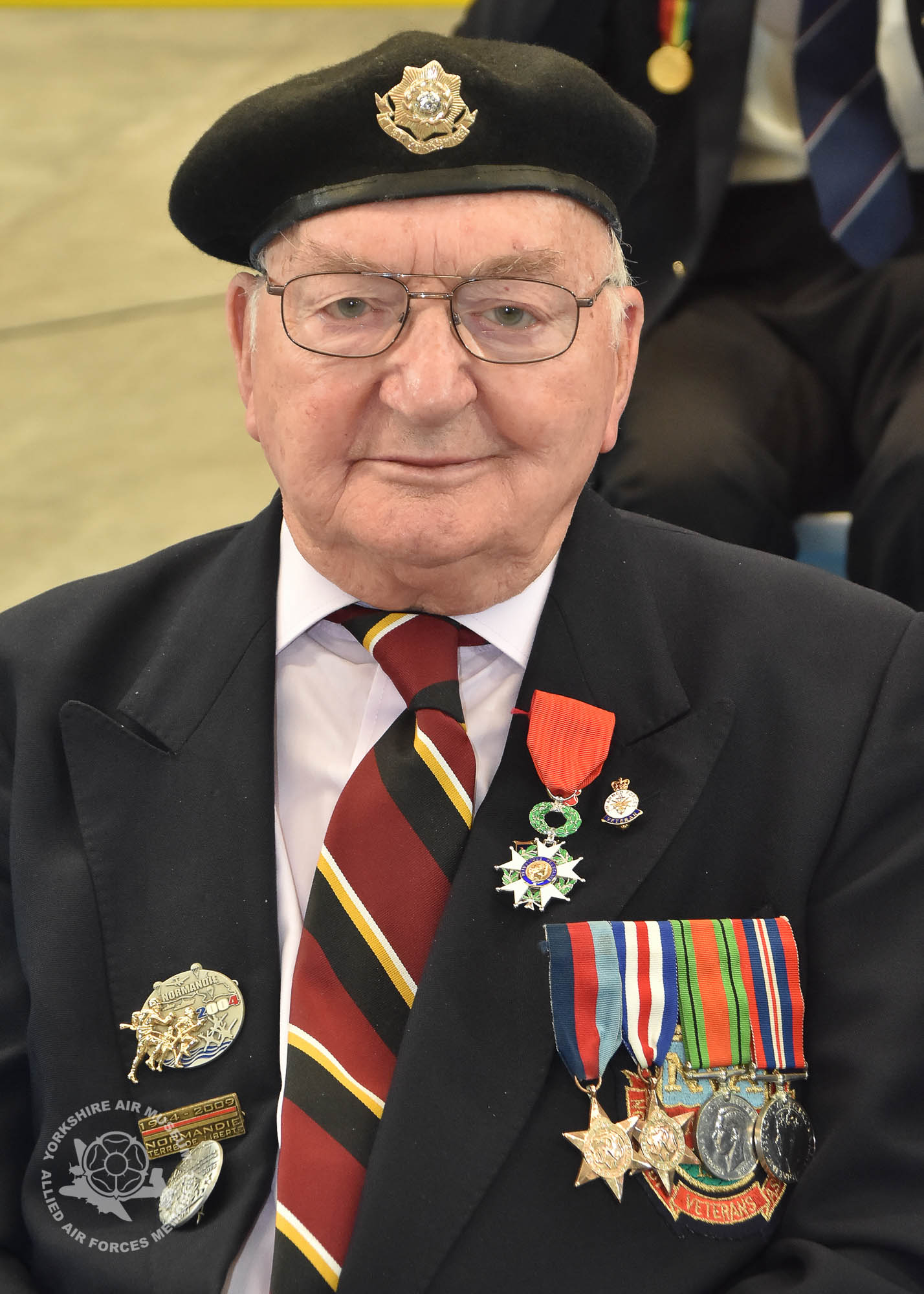
(Corporal 2nd Battalion East Yorkshire Regiment, 3rd Infantry Division. Landed Swaord Beach on D-Day. Wounded in the assault on Chateau de la Londe 27 June 44.)